
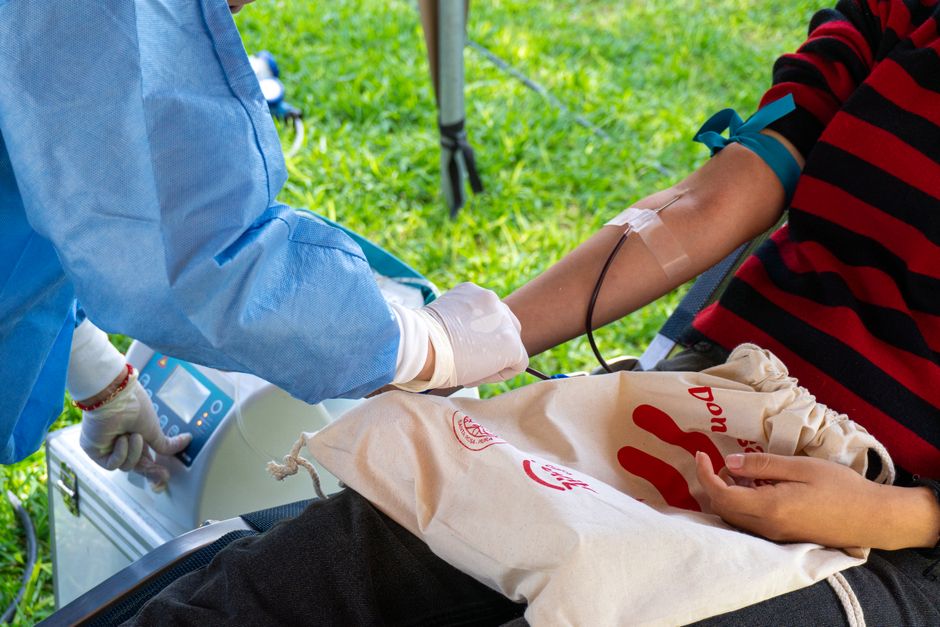
Donating whole blood takes about 45 to 60 minutes from check-in to leaving the donation chair. Platelet donation takes longer, usually 90 to 120 minutes for the full appointment. The actual blood draw for whole blood is only 8 to 10 minutes. The rest of the time goes to registration, a health screening, and a short rest after donation. Platelet donation involves a machine that separates your blood and returns the red cells and plasma to you, which is why it takes longer.
How Long Does the Actual Blood Draw Take for Whole Blood Donation?
The needle is in your arm for about 8 to 10 minutes. That is the only part where blood is leaving your body. A standard whole blood donation collects one pint of blood. Your body can replace the fluid volume in about 24 hours, which is why you are encouraged to drink water and rest briefly.
Some donation centers use a scale that gently rocks the bag to mix the blood with an anticoagulant. This does not change the time. If your veins are slow or you are dehydrated, the draw can take up to 15 minutes. The staff monitors you the entire time and will stop if anything feels wrong.
Most people find the needle insertion brief and the rest of the draw painless. The American Red Cross reports that the average active donor completes the whole process in under an hour from arrival to departure.
How Long Does Platelet Donation Take Compared to Whole Blood?
Platelet donation takes about two to three times longer than whole blood donation. The entire appointment from check-in to finish runs between 90 minutes and 2.5 hours. The machine draw itself is typically 60 to 90 minutes.
The difference is the equipment. Platelet donation uses a process called apheresis. A machine draws your blood, spins it to separate the platelets, and returns the red blood cells and most of the plasma back to your body. This cycle repeats multiple times during the session. Because the machine returns fluid to you, you do not lose as much volume. That is why you can donate platelets more frequently than whole blood — every 7 days up to 24 times per year.
Some people find platelet donation more comfortable because they do not feel as drained afterward. Others find the longer time in the chair harder. The chair is reclined and most centers offer movies or TV to pass the time.
What Factors Affect How Long the Donation Process Takes?
Several things can speed up or slow down your donation time. The most common factor is the donor center’s efficiency. Busy centers with long lines can add 15 to 30 minutes to your total visit. Scheduling an appointment rather than walking in almost always reduces wait time.
Your own health and vein quality matter. Well-hydrated donors with visible veins tend to have faster draws. Dehydration makes veins harder to find and slows blood flow. The staff may ask you to drink water before you start if they think it will help.
Here are the main factors that affect total donation time:
- Donor center volume: Walk-in waits can be 20–40 minutes during peak hours.
- Health screening: Answering the questionnaire and getting your vitals checked takes 10–15 minutes.
- Your hydration level: Being well-hydrated can cut draw time by several minutes.
- Type of donation: Whole blood is fastest. Platelets take longest. Double red cell donation takes about 30 minutes on the machine.
- Reaction risk: If you feel faint or dizzy, staff will slow down or stop the process.
Some donors are surprised to learn that the health screening is not optional. It is required by the FDA for every donation. You cannot skip it to save time. The screening includes a mini-physical where staff check your blood pressure, pulse, temperature, and hemoglobin level.



How Long Does It Take To Donate Blood Or Platelets at Different Blood Centers?
Times vary slightly between organizations but the differences are small. The American Red Cross, local hospitals, and community blood centers all follow similar FDA-regulated procedures. The table below shows typical total appointment times at major U.S. donation centers.
| Donation Type | American Red Cross | Local Hospital Center | Mobile Blood Drive |
|---|---|---|---|
| Whole Blood | 45–60 minutes | 45–60 minutes | 30–45 minutes |
| Platelets (apheresis) | 90–120 minutes | 90–150 minutes | Not typically offered |
| Double Red Cells | 60–75 minutes | 60–75 minutes | Not typically offered |
Mobile blood drives are often faster because they have fewer donors and streamlined check-in. However, they rarely offer platelet or double red cell donation. Those require specialized machines that are heavy and expensive to transport. If you want to donate platelets, you almost always need to go to a fixed donation center.
Some centers now offer online pre-registration that shortens the check-in step by 5 to 10 minutes. You fill out the health questionnaire at home and bring a printed or digital confirmation. This is becoming more common since COVID-19 and is worth checking before your visit.
What Should You Do to Make Your Donation Faster and Smoother?
Preparation matters more than most people realize. The single most effective thing you can do is drink plenty of water in the 24 hours before your appointment. The American Red Cross recommends drinking an extra 16 ounces of water right before you donate. This increases your blood volume and makes your veins easier to access.
Eat a balanced meal within two hours of donating. Avoid fatty foods because they can interfere with the tests run on your blood. For platelet donation specifically, fatty foods can make your plasma look milky, which may cause the machine to reject the donation. Skip fried foods, butter, and heavy cream sauces on donation day.
Bring your ID and any donor card you have. Forgetting these can add 10 minutes as staff verify your identity manually. If you are a regular donor, keep your card in your wallet or on your phone. Wear clothing with sleeves that can be easily rolled up above the elbow. Tight sleeves can slow blood flow and increase discomfort.
Get a good night’s sleep before donating. Fatigue increases the chance of feeling lightheaded during or after the draw. If you are donating platelets, plan for the longer time. Bring a book, headphones, or a tablet. Most centers have Wi-Fi and entertainment options, but having your own is better.
What Happens After You Donate and How Long Does Recovery Take?
After the needle is removed, you rest in the recovery area for 10 to 15 minutes. Staff give you juice, water, and snacks. This is not optional — you are required to stay for observation. Most reactions like fainting happen in the first few minutes after standing up, which is why centers enforce this rest period.
Your body replaces the fluid from a whole blood donation within 24 to 48 hours. The red blood cells take longer — about 4 to 6 weeks. That is why men must wait 56 days between whole blood donations and women 84 days. The longer wait for women accounts for iron loss from menstruation.
Platelet donors recover faster in terms of fluid balance because the machine returns most of the red cells and plasma. Platelets themselves are replenished within 72 hours. This allows for more frequent donations — every 7 days up to 24 times per year. However, platelet donors can become low in calcium because the anticoagulant used during the process binds to calcium. Some donors experience a tingling sensation in their lips or fingers. Staff give you calcium supplements or Tums during the donation to prevent this.
Do not do heavy lifting or intense exercise for the rest of the day after any type of donation. Light activity is fine. If you feel dizzy, lie down and elevate your feet. Most people feel back to normal within a few hours.
Frequently Asked Questions
Can I donate platelets and whole blood on the same day?
No, you cannot donate both types on the same day. You must choose one type per visit.
How often can I donate platelets compared to whole blood?
You can donate platelets every 7 days up to 24 times per year. Whole blood requires a 56-day wait for men and 84 days for women.
Does donating platelets hurt more than donating whole blood?
Most donors report similar discomfort levels. Platelet donation involves a larger needle in one arm, but the sensation is comparable to whole blood donation.
Why does platelet donation take longer than whole blood donation?
Platelet donation uses a machine that separates your blood and returns red cells and plasma to you. This cycle repeats multiple times and takes 60 to 90 minutes on the machine alone.
