

Most blood pressure medications begin to lower blood pressure within hours of the first dose. However, it takes two to four weeks for the medicine to reach its full effect. The exact timing depends on the type of pill you take and your overall health.
How Long Does It Take For Blood Pressure Pills To Work?
For most people, blood pressure pills start working the same day you take them. Diuretics, which help your body remove excess fluid, can lower blood pressure within a few hours. Beta-blockers and calcium channel blockers also begin working within hours to a day. ACE inhibitors and ARBs (angiotensin receptor blockers) may take a few days to show a noticeable drop in blood pressure.
But the full benefit usually takes longer. Your doctor will likely ask you to take the medicine for at least two to four weeks before checking if the dose is right. This is because blood pressure adjusts slowly. The body needs time to adapt to the medication, and blood pressure readings can vary from day to day.
Do Different Types of Blood Pressure Pills Work at Different Speeds?
Yes. Each class of blood pressure medication works differently in the body.
Diuretics (water pills) start working within a few hours. They make the kidneys release more sodium and water, lowering blood volume and pressure. The effect is noticeable quickly but may take one to two weeks to fully develop.
Beta-blockers reduce heart rate and the force of heart contractions. They can lower blood pressure within hours. But the full effect on blood pressure often takes two to four weeks.
ACE inhibitors and ARBs relax blood vessels by blocking a hormone that narrows them. Some ACE inhibitors, like captopril, work within an hour. But most need a week or more to reach a stable, effective level.
Calcium channel blockers relax and widen blood vessels. Some types work within hours, while others are taken once daily and build up over several days.
Your doctor chooses a medication based on your health, side effects, and other conditions. The speed of onset is just one factor.
What Affects How Quickly Blood Pressure Medication Works?
Several factors can change how fast your body responds to blood pressure pills.
- Your current blood pressure level. Higher starting numbers may take longer to bring down.
- Your kidney function. The kidneys help regulate blood pressure. If they are not working well, medications may take longer or need dose adjustments.
- Other medications. Some drugs, like nonsteroidal anti-inflammatory drugs (NSAIDs), decongestants, and certain supplements, can raise blood pressure and slow down your response.
- Your diet. High salt intake can counteract the effects of blood pressure pills. Reducing salt helps the medicine work better and faster.
- Consistency. Taking your pill at the same time every day keeps a steady level of medicine in your blood. Missing doses slows down the response.
These factors matter more for how quickly you reach the full benefit rather than how fast the first dose works.

How Will I Know If My Blood Pressure Medicine Is Working?
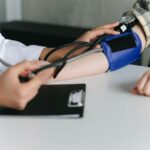
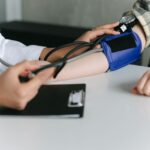
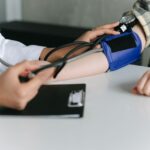
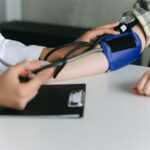
The most reliable way is to check your blood pressure at home with a validated cuff. Your doctor will tell you how often to check and what numbers to aim for.
Do not rely on how you feel. High blood pressure usually has no symptoms. Some people may feel dizzy or lightheaded when their pressure drops, especially when they first start medication. That is a normal sign the medicine is working, but it can also mean the dose is too strong. If dizziness is severe or does not go away, call your doctor.
Your doctor will also check your pressure at follow-up visits. They usually wait two to four weeks after starting a new pill before deciding if the dose is correct.
When Should I See My Doctor If My Blood Pressure Isn’t Improving?
If your blood pressure is not lower after four weeks of consistently taking your medication, talk to your doctor. Do not increase the dose on your own.
Sometimes the first medication does not work well enough. It may need a higher dose, a different type, or an additional pill. Many people need two or more medications to control their blood pressure. This is common and not a sign of failure.
If your blood pressure is very high—above 180/110 mm Hg—and does not improve after a few days of medication, call your doctor sooner. In rare cases, you may need a combination of pills or a referral to a specialist.
Can Lifestyle Changes Help Blood Pressure Medication Work Faster?
Yes. Healthy habits can make your medication more effective and help it work sooner.
- Reduce salt. Cutting back on processed foods and adding less salt to meals can lower blood pressure in a few days. The DASH diet is a well-studied eating pattern that supports this.
- Increase physical activity. Walking for 30 minutes most days can lower systolic pressure by 5 to 8 mm Hg over several weeks.
- Limit alcohol. Drinking more than one drink per day for women or two for men can raise blood pressure and blunt the effect of medication.
- Quit smoking. Smoking causes blood vessels to tighten. Quitting helps blood pressure medication work better.
- Manage stress. Chronic stress raises blood pressure. Mindfulness, deep breathing, or simply taking time to relax can support your treatment.
These changes do not replace your medication. But they can help you reach your target blood pressure sooner and with a lower dose of medicine.
Is It Safe to Stop Blood Pressure Medication If My Reading Is Normal?
No. Never stop taking blood pressure pills without talking to your doctor first.
When your blood pressure is normal on medication, it means the medicine is working. If you stop, your blood pressure will likely rise again—often within a few days. This can increase your risk of heart attack, stroke, and kidney damage.
Some people may be able to reduce their dose after making significant lifestyle changes. But this should only be done under medical supervision. Your doctor will need to check your blood pressure regularly and adjust slowly.
Stopping suddenly can also cause a dangerous spike in blood pressure, called rebound hypertension. This is especially risky with beta-blockers and clonidine.
Frequently Asked Questions
How quickly do blood pressure pills start working?
Most blood pressure pills start working within hours of the first dose. But it takes two to four weeks to see the full effect.
Can I stop taking blood pressure medication once my numbers are normal?
No. A normal reading means the medication is working. Stopping it will likely cause your blood pressure to rise again, often within a few days.
What should I do if my blood pressure is not going down after a week of medication?
Continue taking your medicine as prescribed and call your doctor if your blood pressure remains high after two to four weeks. Do not change the dose on your own.
Does the time of day I take my blood pressure pill matter?
Taking your pill at the same time each day helps keep steady levels in your blood. Some research suggests bedtime dosing may improve control, but the most important thing is consistency.
