
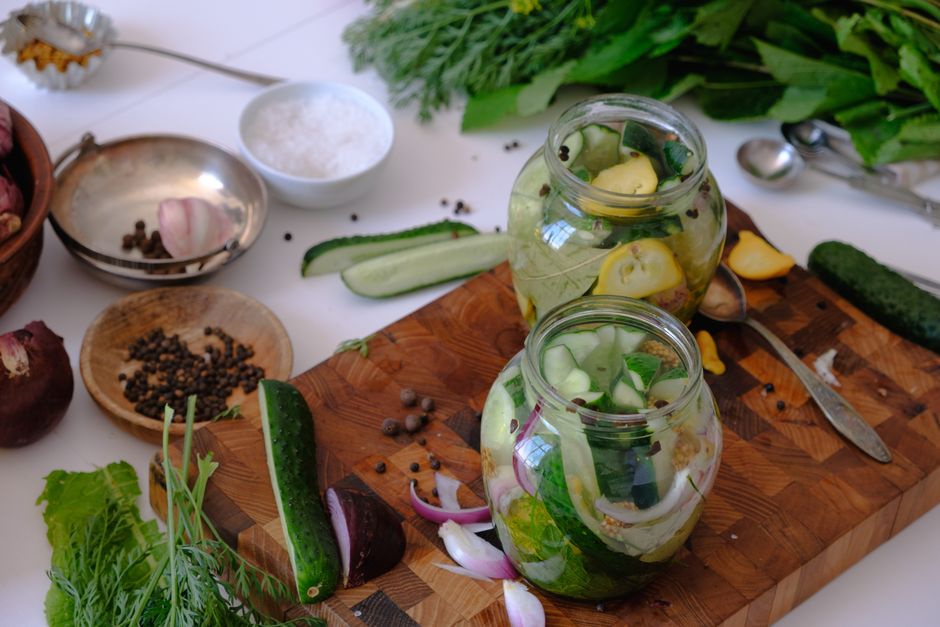
Pickles can raise blood pressure, but only under certain conditions. The main driver is sodium. A single large dill pickle can carry several hundred milligrams of sodium, and eating them regularly can push your daily intake well past recommended limits. Whether that actually moves your blood pressure depends on how many you eat, how often, and how your body handles salt.
How Much Sodium Is Actually in a Pickle?
The amount varies widely by type and brand. A small dill pickle might contain around 300 milligrams of sodium. A large one can exceed 1,000 milligrams. Sweet pickles and pickle relish often contain added sugar alongside the salt, which matters for different reasons.
For context, the American Heart Association recommends no more than 2,300 milligrams of sodium per day for most adults, and ideally closer to 1,500 milligrams for people with high blood pressure. The Dietary Guidelines for Americans set 2,300 milligrams as the daily upper limit. One large pickle can account for a substantial portion of that.
Fermented pickles made through traditional brine fermentation differ from quick-pickled cucumbers made with vinegar and salt. Both contain sodium. Fermented varieties may also contain beneficial bacteria, though the blood pressure impact of those bacteria is not well established in human trials.
Does Eating Pickles Raise Blood Pressure in Everyone?
No. Sodium affects people differently. This variation is called salt sensitivity, and it is a real physiological phenomenon, not a matter of willpower or tolerance.
Research consistently shows that some people experience meaningful blood pressure increases from high sodium intake while others show minimal response. Salt-sensitive individuals tend to be older adults, Black adults, people with existing hypertension, and those with certain kidney conditions. The exact proportion of the population that is salt-sensitive varies across studies, but it is a well-documented pattern.
For a salt-sensitive person, eating pickles regularly could contribute to elevated blood pressure. For someone who is not salt-sensitive and eats pickles occasionally, the effect on blood pressure is likely small. The key word is likely — individual responses vary and are not easily predicted without monitoring.
Why Does Sodium Raise Blood Pressure?
Sodium draws water into the bloodstream. When you eat more sodium than your kidneys can efficiently excrete, the extra sodium pulls water with it, increasing the volume of fluid in your blood vessels. More fluid in the same space means higher pressure against artery walls.
Over time, chronic high sodium intake can also affect the stiffness of blood vessel walls and how the kidneys regulate fluid balance. These are established mechanisms supported by decades of physiological research.
The relationship is not instant for most people. A single salty meal rarely causes a lasting blood pressure change in a healthy person. It is the pattern of eating over weeks, months, and years that matters most for long-term blood pressure control.
One clarification worth making: sodium is not the only factor. Potassium intake, body weight, physical activity, alcohol consumption, stress, and genetics all influence blood pressure. Sodium is one lever among several.

Are Some Pickles Worse Than Others?
Yes. Sodium content varies significantly across pickle types and brands. Here is a general comparison:
| Pickle Type | Typical Sodium Range (per pickle) |
|---|---|
| Large dill pickle | 800–1,200 mg |
| Small dill pickle | 250–400 mg |
| Sweet gherkin | 100–200 mg |
| Pickle relish (1 tbsp) | 100–200 mg |
| Low-sodium or no-salt-added pickles | 5–50 mg |
These ranges are approximate and vary by brand. Reading the nutrition label is the only reliable way to know what you are getting. Low-sodium pickle products exist and can be a reasonable alternative for people watching their sodium intake.
Sweet pickles present a different consideration. They are lower in sodium than dill varieties but higher in added sugar. For blood pressure specifically, sodium is the primary concern. For overall metabolic health, the added sugar matters too.
How Many Pickles Would Actually Affect Blood Pressure?
There is no established threshold where pickles suddenly become a blood pressure problem. It depends on total daily sodium from all sources, not just pickles.
If pickles are your only high-sodium food and you eat one small pickle a few times a week, the contribution to your overall sodium intake is modest. If you eat several large pickles daily on top of other salty foods, the cumulative effect could be significant.
The broader dietary pattern matters more than any single food. A diet high in processed foods, restaurant meals, and canned soups will already push sodium intake high. Adding pickles to that pattern makes it worse. Adding a pickle to an otherwise low-sodium diet is unlikely to cause a problem for most people.
Some clinicians recommend that people with hypertension track their sodium intake for a period to understand where it is coming from. Pickles, olives, sauerkraut, and similar brine-cured foods are common culprits that people do not always think of as high-sodium.
What About the Vinegar in Pickles?
Vinegar has been studied for potential effects on blood sugar and appetite. Some research suggests vinegar may modestly improve insulin sensitivity and reduce post-meal blood sugar spikes. The evidence for vinegar lowering blood pressure specifically is limited and not well established in large human trials.
Do not rely on pickle vinegar as a blood pressure treatment. The sodium content of the pickle itself is a far more relevant factor for blood pressure than any potential effect of the vinegar.
Should You Stop Eating Pickles?
Not necessarily. For most healthy adults without hypertension or salt sensitivity, eating pickles in moderation is not a concern. The problem arises when pickles are a regular, high-volume part of the diet, or when someone already has high blood pressure and is not managing sodium intake.
If you have hypertension, your doctor has probably already advised you to reduce sodium. Pickles fall into the category of foods worth limiting in that context. If your blood pressure is normal and you eat pickles occasionally, there is no strong reason to eliminate them.
If you are unsure whether sodium affects your blood pressure, monitoring at home during periods of high and low sodium intake can provide useful information. Bring those readings to your doctor rather than drawing conclusions on your own.
Frequently Asked Questions
Can eating pickles cause high blood pressure?
Pickles can contribute to high blood pressure because of their sodium content, especially if eaten frequently or in large amounts. Whether they actually raise your blood pressure depends on your total sodium intake and how salt-sensitive you are.
How much sodium is in a typical pickle?
A small dill pickle usually contains around 250 to 400 milligrams of sodium, while a large one can exceed 1,000 milligrams. Sweet pickles and relish tend to be lower in sodium but higher in sugar.
Are low-sodium pickles a good option for people with high blood pressure?
Low-sodium pickles exist and can be a reasonable alternative for people watching their sodium intake, though they still contain some sodium. Reading the nutrition label is the best way to compare products.
Does the vinegar in pickles lower blood pressure?
The evidence that vinegar lowers blood pressure is limited and not well established in large human trials. The sodium content of pickles is a more relevant factor for blood pressure than any potential effect of vinegar.
