
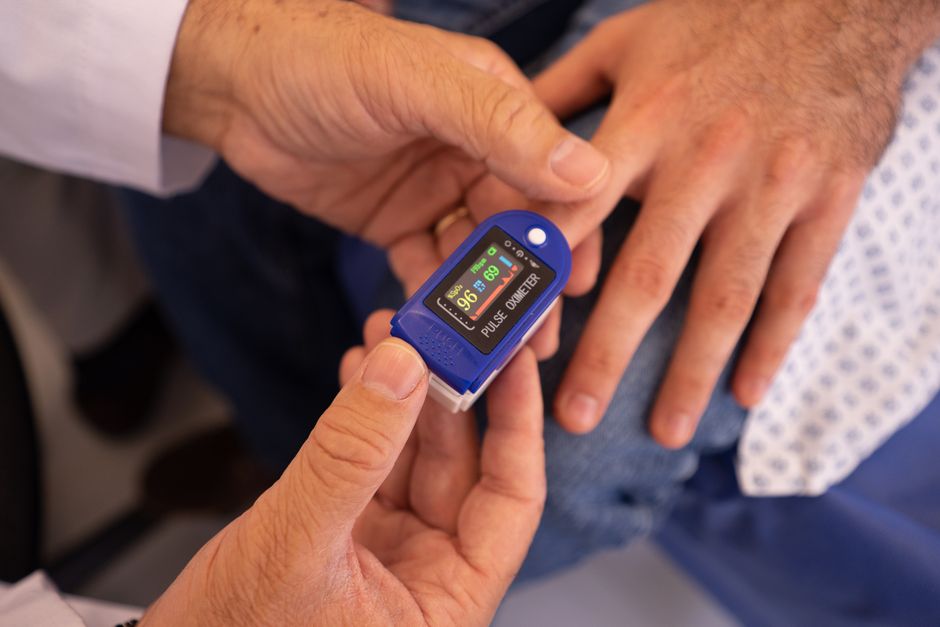
Many people ask whether breathing extra oxygen can lower blood pressure. The short answer is no — not in a way that treats high blood pressure. For most people with normal oxygen levels, supplemental oxygen does not reduce blood pressure. In some specific medical situations, oxygen therapy is essential, but it is not a tool for managing hypertension at home.
What Does Oxygen Actually Do to Blood Pressure?
Oxygen is carried by red blood cells to every tissue in your body. When your blood oxygen level is normal, adding more oxygen does not change how your heart or blood vessels behave in any meaningful way.
In fact, research shows that breathing high concentrations of oxygen can slightly raise blood pressure in some people. This happens because oxygen can cause blood vessels to constrict, a response called vasoconstriction. Narrower blood vessels mean more resistance, which can push blood pressure up rather than down.
This is the opposite of what most people expect. The idea that oxygen relaxes blood vessels comes from a misunderstanding of how the body works. Oxygen does not act like a blood pressure medication.
When Oxygen Therapy Is Medically Necessary
Oxygen therapy is a real treatment, but it is used for a specific problem: low blood oxygen. Conditions like chronic obstructive pulmonary disease (COPD), severe pneumonia, or heart failure can cause oxygen levels to drop dangerously low. In those cases, giving oxygen restores normal oxygen levels and can prevent organ damage.
When blood oxygen is restored to normal, the heart does not have to work as hard to pump blood. This indirect effect can help a struggling heart, but it is not the same as lowering blood pressure. If someone with low oxygen also has high blood pressure, treating the oxygen problem may help their overall condition — but the blood pressure itself still needs standard treatment.
Oxygen therapy is prescribed by doctors and delivered through nasal prongs or a mask. It is not something to try on your own. Too much oxygen can actually be harmful, especially for people with certain lung conditions.
Does Oxygen Lower Blood Pressure in Emergency Situations?
In a hospital emergency room, oxygen is sometimes given to people who arrive with chest pain, shortness of breath, or a suspected heart attack. This has led some people to believe oxygen lowers blood pressure in a crisis. That belief is not accurate.
Oxygen is given in emergencies because low oxygen levels threaten the heart and brain. The goal is to keep tissues alive, not to manage blood pressure. In fact, guidelines now recommend against giving extra oxygen to heart attack patients who already have normal oxygen levels. Studies found that routine oxygen in this setting did not help and could even cause harm.
If someone is having a medical emergency, call emergency services. Do not attempt to use home oxygen equipment as a treatment for high blood pressure or chest pain.



How Oxygen Levels Affect Blood Pressure Over Time
Chronic low oxygen, known as hypoxia, is a different story. When the body does not get enough oxygen over weeks or months, blood pressure tends to rise. This is seen in people with sleep apnea, a condition where breathing stops briefly during sleep.
In sleep apnea, oxygen levels drop repeatedly through the night. Each drop triggers a stress response that raises blood pressure. Over time, this pattern can lead to sustained hypertension. Treating sleep apnea with continuous positive airway pressure (CPAP) restores oxygen levels during sleep and has been shown to modestly reduce blood pressure in people with this condition.
This is the closest connection between oxygen and blood pressure. But the treatment is not oxygen itself — it is keeping the airway open so normal breathing continues. CPAP delivers room air, not extra oxygen.
Breathing Exercises and Blood Pressure: What the Evidence Shows
Slow breathing exercises are sometimes confused with oxygen therapy. When you breathe slowly and deeply, you do take in more air. But the benefit is not from extra oxygen. Your blood is already carrying as much oxygen as it can at normal breathing rates.
The benefit comes from the physical act of slow breathing. Slow, deep breathing activates the parasympathetic nervous system, which calms the body and can lower blood pressure temporarily. Some research suggests that certain breathing patterns, like inspiratory muscle strength training, can produce meaningful reductions in blood pressure over several weeks.
These effects are real but modest. They are not a substitute for medication in people with significant hypertension. They can be a useful addition to a complete treatment plan, alongside diet, exercise, and prescribed medications.
What Actually Lowers Blood Pressure
If oxygen is not the answer, what is? Established approaches with strong evidence include:
- Reducing sodium intake to around 2,300 mg per day or less
- Following the DASH diet, which emphasizes vegetables, fruits, whole grains, and low-fat dairy
- Getting regular aerobic exercise, such as brisk walking, most days of the week
- Maintaining a healthy body weight
- Limiting alcohol consumption
- Taking prescribed blood pressure medications consistently
These approaches work through well-understood mechanisms. Reducing sodium helps the kidneys remove excess fluid. Exercise strengthens the heart so it pumps more efficiently. Medications target specific pathways that control blood vessel tone.
Blood pressure is managed through these proven methods, not through supplemental oxygen. If you have high blood pressure, talk to your doctor about the treatment plan that fits your situation.
When to Seek Medical Attention for Blood Pressure
High blood pressure often has no symptoms. That is why it is sometimes called a silent condition. The only way to know your blood pressure is to measure it.
Normal blood pressure is below 120/80 mmHg. Elevated blood pressure is 120-129 systolic with diastolic below 80. Stage 1 hypertension starts at 130/80. Stage 2 hypertension starts at 140/90.
A reading of 180/120 or higher is a hypertensive crisis. If you get this reading and also have chest pain, shortness of breath, back pain, numbness, weakness, vision changes, or difficulty speaking, seek emergency care immediately.
If your reading is 180/120 but you feel fine, wait five minutes and check again. If it is still that high, contact your doctor or seek medical care the same day.
Frequently Asked Questions
Can breathing oxygen from a tank lower my blood pressure?
No. Supplemental oxygen does not lower blood pressure in people with normal oxygen levels. It can actually cause a slight increase in blood pressure in some cases.
Does oxygen therapy help people with high blood pressure?
Oxygen therapy is only for people with abnormally low blood oxygen levels. It is not a treatment for high blood pressure, and it should only be used when a doctor prescribes it.
Can deep breathing exercises lower blood pressure?
Yes, slow breathing exercises can temporarily lower blood pressure by calming the nervous system. The effect comes from the breathing pattern itself, not from taking in extra oxygen.
Is high blood pressure linked to low oxygen levels?
Chronic low oxygen, such as from sleep apnea, can contribute to high blood pressure over time. Treating the underlying cause of low oxygen can help reduce blood pressure.
Oxygen is essential for life, but it is not a blood pressure treatment. If you are concerned about your blood pressure, measure it regularly and follow your doctor’s advice. The most reliable path to healthier blood pressure is the well-established combination of diet, exercise, weight management, and medication when needed.
