
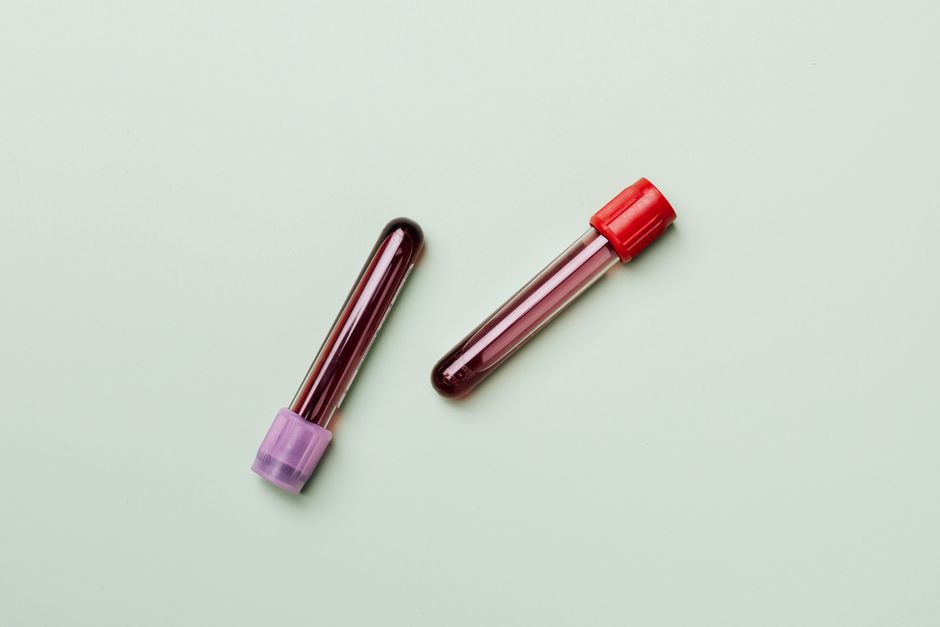
When a doctor orders a blood test, the lab often uses serum, not whole blood. Serum and blood are not the same thing. Serum is the liquid part of blood that remains after the blood has clotted. Whole blood contains red blood cells, white blood cells, and platelets suspended in a liquid called plasma. This guide explains the difference between serum and blood, how each is used in medicine, and why that distinction matters for your health.
What Is the Difference Between Serum and Blood?
Blood is a complex tissue. It carries oxygen, fights infection, and clots to stop bleeding. Blood has two main parts: cells and liquid. The cells are red blood cells, white blood cells, and platelets. The liquid part is plasma.
Plasma makes up about 55% of your blood volume. It is mostly water but also contains proteins, glucose, electrolytes, hormones, and waste products. Plasma stays liquid because of proteins called clotting factors. These factors are always ready to form a clot when you get injured.
Serum is what remains after blood clots. When blood is drawn into a tube without an anticoagulant, the clotting factors activate. The blood forms a clot. After the clot forms, the remaining liquid is serum. Serum is plasma minus the clotting factors and blood cells.
In simple terms: whole blood is the full mixture. Plasma is the liquid portion of unclotted blood. Serum is the liquid portion of clotted blood.
How Is Serum Separated From Blood?
Serum is collected through a standard blood draw. The process happens in a lab, not in your body. A healthcare worker draws blood into a tube that contains no additives. Some tubes have a clot activator, which speeds up the natural clotting process.
The blood sits at room temperature for about 30 minutes. During this time, the clotting cascade runs its course. A clot forms and traps the red blood cells, white blood cells, and platelets. Then a centrifuge spins the tube at high speed. The spinning force pushes the clot to the bottom of the tube. The clear or pale yellow liquid on top is serum.
The entire process takes about an hour from draw to finished sample. Labs follow strict timing rules. If the blood does not clot long enough, the sample may contain fibrin strands that interfere with testing. If it clots too long, some analytes in the serum can change concentration.
Plasma collection is different. Blood goes into a tube containing an anticoagulant, such as EDTA or heparin. These chemicals stop clotting factors from activating. The tube spins in a centrifuge, and the cells settle at the bottom. The liquid on top is plasma, which still contains clotting factors.
Is Serum The Same As Blood Plasma?
No. Serum and plasma are similar but not identical. Both are the liquid portion of blood. Both contain water, proteins, electrolytes, and other dissolved substances. The key difference is clotting factors.
Plasma contains clotting factors. Serum does not. When blood clots, the clotting factors are consumed in the process. Fibrinogen, one of the most abundant clotting proteins, becomes fibrin and forms the structural mesh of the clot. By the time serum is separated, fibrinogen is gone.
This difference matters for lab testing. Some tests require serum. Some require plasma. Others accept either. The choice depends on what the lab is measuring and which tube the hospital uses.
Serum also has lower levels of some substances than plasma. During clotting, platelets break open and release their contents. This can slightly change the concentration of potassium, phosphorus, and certain enzymes in the sample. For most routine tests, this difference is clinically insignificant. For a few sensitive tests, it matters enough that the lab specifies plasma instead.





Why Do Blood Tests Use Serum?
Most routine blood work uses serum because it is convenient and reliable. Standard blood collection tubes for serum are widely available. The clotting process removes cells and clotting proteins that could interfere with certain chemical analyses.
Serum is the standard sample for many common tests. These include:
- Basic metabolic panel, which measures glucose, electrolytes, and kidney function
- Liver function tests
- Lipid panel for cholesterol and triglycerides
- Thyroid function tests
- Infectious disease antibody tests
Plasma is preferred for tests that must be run quickly or that require accurate levels of substances affected by clotting. Plasma samples can be processed faster because they do not need time to clot. This matters in emergency settings where every minute counts.
Whole blood is used for tests that require intact cells. A complete blood count measures red blood cells, white blood cells, and platelets directly. Blood typing requires whole blood to detect antigens on red cell surfaces. Blood cultures need whole blood to grow bacteria.
What Does Serum Tell Your Doctor?
Serum tests give your doctor a snapshot of your internal chemistry. Because serum is the liquid portion of blood, it carries the dissolved substances that reflect how your organs are functioning.
Serum glucose tells your doctor how your body handles sugar. Serum creatinine and blood urea nitrogen reflect kidney function. Serum sodium and potassium indicate your electrolyte balance. Serum enzymes like ALT and AST provide information about liver health.
Serum also carries antibodies. When you have been infected or vaccinated, your immune system produces antibodies that circulate in the blood. Testing serum for specific antibodies can show whether you have been exposed to a virus or whether a vaccine produced an immune response.
Some serum tests measure proteins. Albumin is the most abundant protein in serum. Low albumin can indicate malnutrition, liver disease, or kidney disease. Total protein and specific protein fractions help diagnose conditions like multiple myeloma and autoimmune disorders.
Serum testing is not diagnostic on its own. Results are interpreted in context. Your doctor considers your symptoms, medical history, physical exam, and other test results before making a diagnosis. A single abnormal serum value rarely tells the whole story.
Can You Donate Serum?
You cannot donate serum directly. Blood donation centers collect whole blood or specific components like platelets and plasma. Serum is produced in the lab after the blood has clotted. It is not collected directly from donors.
Plasma donation is a different process. During plasmapheresis, blood is drawn from your arm and passed through a machine. The machine separates plasma from the cells. The cells are returned to your body along with a replacement fluid. The collected plasma is used to make life-saving therapies for people with clotting disorders, immune deficiencies, and other conditions.
Whole blood donation is the most common type. After donation, the blood is processed in a lab. Some of it is separated into components. Red cells, platelets, and plasma are used for different patients who need different things.
If you are interested in donating, contact a local blood center. They can tell you which type of donation is most needed and whether you qualify.
How Are Serum Tests Collected Safely?
Serum tests require a standard blood draw from a vein in your arm. The process takes only a few minutes. A tourniquet is applied to make the vein more visible. The site is cleaned with an antiseptic. A needle is inserted, and blood flows into one or more collection tubes.
For serum tests, the tube is often marked with a red or gold top. Red-top tubes contain no additives. Gold-top tubes contain a gel that separates serum from cells during centrifugation. The gel forms a barrier between the serum and the clot, making it easier to extract the serum.
Fasting is sometimes required before certain serum tests. A lipid panel, for example, requires fasting for 9 to 12 hours. Fasting glucose tests also require an overnight fast. Your doctor or the lab will tell you if fasting is needed for your specific tests.
Some medications can affect serum test results. Tell your doctor about every prescription, over-the-counter medication, and supplement you take. Your doctor can advise whether to continue or pause any medication before testing.
Frequently Asked Questions
Is serum the same as blood?
No. Serum is the liquid portion of blood that remains after blood clots. Whole blood contains red cells, white cells, platelets, and liquid plasma.
Which is better for blood tests, serum or plasma?
Neither is universally better. Serum is standard for most routine chemistry tests. Plasma is preferred when tests must be processed quickly or when clotting would alter the results.
Why is serum yellow?
Serum is pale yellow because of bilirubin, a waste product from the normal breakdown of red blood cells. The color can vary slightly from person to person.
Can serum tests detect all diseases?
No. Serum tests detect specific markers for certain conditions, but many diseases require imaging, biopsies, or other tests for diagnosis. Serum results are always interpreted alongside other clinical information.
