
Mosquitoes and other biting bugs do not actually “taste” blood types the way we taste food. They are drawn to you by the carbon dioxide you exhale, your body heat, and the specific chemicals in your skin’s sweat and bacteria. However, research has consistently shown that once a mosquito lands, it does show a preference. Studies have found that mosquitoes land on and bite people with Type O blood significantly more often than people with Type A blood. If you are Type O, you are roughly twice as likely to be a mosquito’s first choice compared to someone with Type A.
What Type Of Blood Do Bugs Like The Most?
The short answer is Type O blood. Research published in the Journal of Medical Entomology demonstrated that when given a choice, mosquitoes fed on Type O seekers nearly twice as often as Type A seekers. Type B fell somewhere in the middle.
This is not about the blood itself. Mosquitoes do not drink blood from a container. They bite through your skin, which means they encounter your blood only after they have already committed to biting. The preference actually comes down to chemical signals on your skin. About 80% of people secrete blood-type antigens into their saliva, sweat, and other bodily fluids. These “secretors” give mosquitoes a chemical preview of their blood type before the bite ever happens.
If you are a secretor with Type O blood, you are emitting signals that mosquitoes find attractive. If you are Type A, your signals are less appealing to them. If you are a non-secretor, meaning you do not release these antigens, your blood type may matter less to a mosquito than your body heat and breath.
Why Do Some People Get Bitten More Than Others?
Blood type is only one factor in a much larger equation. Mosquitoes use multiple senses to find a meal, and your personal biology determines how loud those signals are.
Carbon dioxide is the primary long-range attractant. Larger people and pregnant women exhale more carbon dioxide, which makes them easier to find. Body heat and sweat matter at close range. Lactic acid, uric acid, ammonia, and other compounds in sweat are known attractants. Even the bacteria living on your skin play a role. A diverse skin microbiome produces more volatile compounds, and some of those compounds are highly attractive to mosquitoes.
One study found that people with a higher diversity of skin bacteria were more attractive to mosquitoes than those with less diverse skin flora. This is not something you can easily change. Your natural scent profile is largely determined by genetics and your established skin microbiome.
Drinking alcohol is also linked to increased mosquito attraction. One small study found that consuming a single beer increased mosquito landings on participants. The exact mechanism is unclear, but it may relate to increased body temperature or changes in skin emissions.
Does Blood Type Matter for Other Biting Bugs?
Mosquitoes are the most studied biting insects, which is why the blood type research focuses on them. The evidence for other bugs is far less complete.
Bed bugs appear to prefer some people over others, but no large human trials have confirmed a blood type preference. Some research suggests bed bugs may prefer Type O blood as well, but the evidence is limited and inconsistent. One study showed a slight preference for Type O, while others found no clear pattern. The honest position is that no clinical evidence currently confirms a blood type preference for bed bugs.
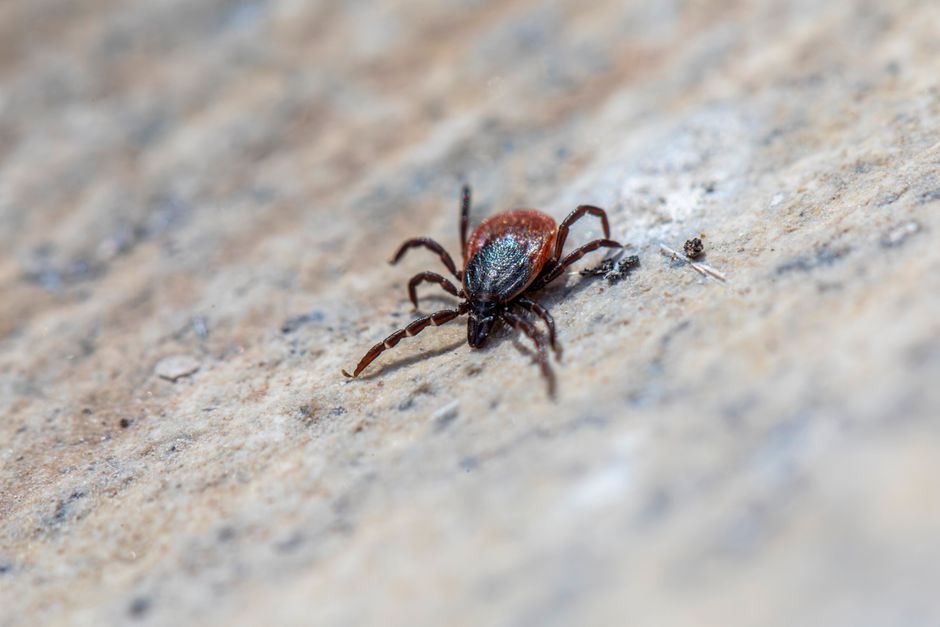
Ticks are attracted to body heat, carbon dioxide, and the vibrations of passing animals. They do not appear to show blood type preferences based on current research. Fleas are attracted to body heat and movement, and they are more likely to target a host based on availability rather than blood chemistry.
If you are being bitten by bugs other than mosquitoes, your blood type is probably not the deciding factor. Your body heat, breath, and movement matter more.





Are There Other Blood Type Differences That Matter?
Blood type does influence health in several well-documented ways, though the effect sizes are often modest.
People with Type O blood have a lower risk of severe malaria. The malaria parasite must bind to specific antigens on red blood cells to cause severe disease, and Type O cells are less accommodating. This is one of the clearest links between blood type and disease resistance.
Type O blood is also associated with a lower risk of blood clots and certain cardiovascular conditions. People with Type A, B, and AB have a slightly higher risk of developing blood clots, according to large epidemiological studies.
On the other hand, people with Type O blood may be more susceptible to certain bacterial infections, including Helicobacter pylori, which is linked to stomach ulcers. The H. pylori bacteria binds more easily to Type O antigens on the stomach lining.
None of these differences are large enough to change how you live your life. Blood type is not a medical destiny. It is one variable among many.
How Can You Reduce Bug Bites?
If you are Type O and tend to get eaten alive every summer, you cannot change your blood type. You can change your behavior and your environment.
Use an EPA-registered insect repellent. Products containing DEET, picaridin, or oil of lemon eucalyptus are proven to reduce mosquito bites. Follow the label instructions exactly. DEET is safe for most people when used as directed, including pregnant women and children over two months of age.
Wear protective clothing. Long sleeves and pants create a physical barrier. Light-colored clothing is less attractive to mosquitoes than dark clothing because dark colors retain heat and stand out against the horizon.
Eliminate standing water. Mosquitoes breed in stagnant water. Empty flower pots, bird baths, gutters, and any container that collects rainwater. This reduces the mosquito population around your home.
Use fans outdoors. Mosquitoes are weak fliers. A strong breeze from a fan makes it difficult for them to land on you. Fans also disperse the carbon dioxide and scent signals that attract them.
Consider permethrin-treated clothing. Permethrin is an insecticide that kills or repels ticks and mosquitoes on contact. It is applied to clothing, not skin, and remains effective through multiple washes.
Natural repellents like citronella candles and essential oils provide limited protection. They work for short periods and in small areas, but they are not as reliable as DEET or picaridin. No clinical evidence currently confirms that taking vitamin B1, eating garlic, or consuming other dietary supplements repels mosquitoes.
Does Exercise or Diet Make You a Bigger Target?
Exercise increases your body temperature and your carbon dioxide output. It also causes you to sweat more, which releases lactic acid. All three of these factors make you more attractive to mosquitoes immediately after a workout.
This does not mean you should stop exercising. It means you should be strategic. If you run outdoors at dusk, use repellent and wear protective clothing. Showering after exercise removes some of the sweat and skin bacteria that attract mosquitoes, though the effect is temporary.
Dietary changes have not been proven to change mosquito attraction in any reliable way. Some studies have explored whether eating bananas or drinking beer increases attraction, but the results are inconsistent and small in scale. There is no diet that will make you invisible to biting insects.
Frequently Asked Questions
Which blood type do mosquitoes bite the most?
Type O blood is the most attractive to mosquitoes, according to research published in the Journal of Medical Entomology. Type A blood is the least attractive.
Can you change your blood type to avoid bug bites?
No. Your blood type is determined by genetics and cannot be changed. Using insect repellent and wearing protective clothing are the only proven ways to reduce bites.
Do bed bugs prefer a certain blood type?
Some research suggests bed bugs may prefer Type O blood, but the evidence is limited and inconsistent. No large human trials have confirmed this preference.
Do natural repellents work as well as DEET?
No. EPA-registered repellents containing DEET, picaridin, or oil of lemon eucalyptus provide longer-lasting and more reliable protection than natural alternatives like citronella.
