
Low blood pressure is usually seen as a good thing, but extremely low blood pressure can be dangerous. In severe cases, it can prevent vital organs like the heart and brain from getting enough oxygen. This can lead to a condition called cardiogenic shock, and in the most extreme circumstances, it can trigger cardiac arrest. While routine low blood pressure is not a cause for alarm, a sudden and dramatic drop is a medical emergency that requires immediate attention.
What Is Considered Low Blood Pressure?
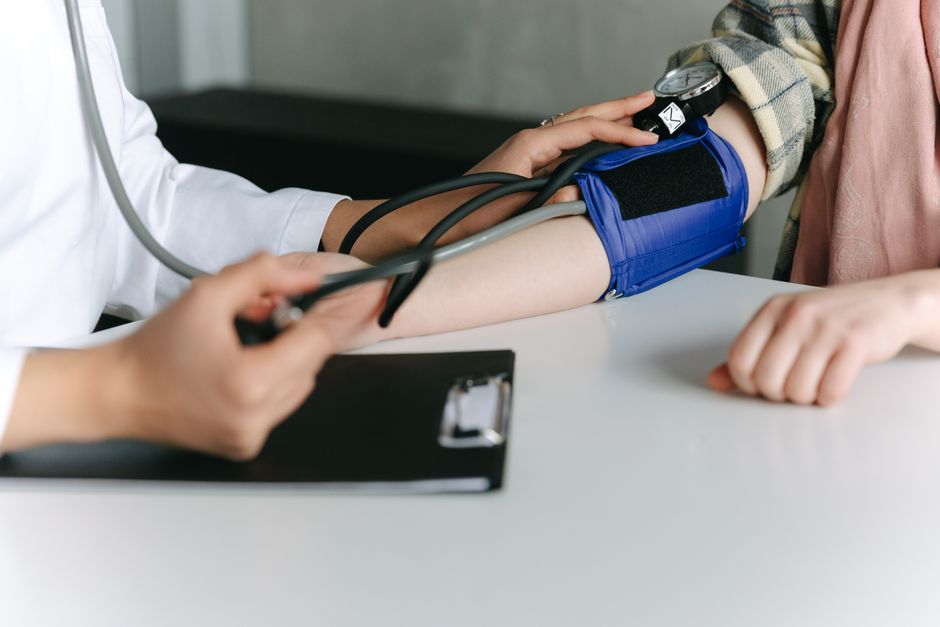
Blood pressure is measured in millimeters of mercury (mmHg) and recorded as two numbers. The top number, systolic, measures the pressure when your heart beats. The bottom number, diastolic, measures the pressure when your heart rests between beats.
A normal reading is typically around 120/80 mmHg. Hypotension, or low blood pressure, is generally defined as a reading lower than 90/60 mmHg. For many people, this number is completely normal and causes no symptoms. It is only when this low pressure leads to symptoms like dizziness, fainting, or confusion that it becomes a concern.
Orthostatic hypotension is a specific type of low blood pressure that happens when you stand up quickly. It causes a sudden drop in pressure, leading to lightheadedness. This is common in older adults and is usually manageable, but it is different from the severe, sustained low pressure that threatens organ function.
Can Low Blood Pressure Cause Cardiac Arrest?
Yes, but only when the low blood pressure is severe and prolonged. This condition is known as cardiogenic shock or severe hypotension. When blood pressure drops too low, the heart muscle itself cannot receive enough blood and oxygen through the coronary arteries.
This lack of oxygen, called ischemia, can damage the heart muscle. If the damage is extensive, it can disrupt the heart’s electrical system. This disruption can lead to a lethal arrhythmia, such as ventricular fibrillation, which is a cause of cardiac arrest. In this scenario, the heart stops pumping effectively, and blood flow to the rest of the body ceases.
It is critical to understand the distinction. A blood pressure reading of 85/55 mmHg that causes no symptoms is not a cardiac arrest risk. A reading of 70/40 mmHg accompanied by confusion, cold skin, and rapid breathing is a life-threatening emergency that can lead to cardiac arrest if not treated.
What Causes Dangerously Low Blood Pressure?
Several underlying conditions can cause blood pressure to drop to dangerous levels. Understanding these causes helps explain why the drop occurs and how urgent it is.
- Severe blood loss: Losing a large volume of blood, from trauma or internal bleeding, reduces the amount of blood the heart can pump.
- Severe infection: A widespread infection can cause sepsis, which leads to blood vessel dilation and a massive drop in pressure.
- Dehydration: Losing too much fluid can reduce blood volume. This is especially dangerous in children and older adults.
- Heart conditions: A heart attack, heart failure, or a problem with a heart valve can prevent the heart from pumping enough blood to maintain normal pressure.
- Endocrine problems: Conditions like adrenal insufficiency or thyroid disease can affect blood pressure regulation.
- Medications: Some blood pressure medications, diuretics, or antidepressants can cause pressure to drop too low, especially when taken together.
When these conditions cause low blood pressure, the body tries to compensate. It increases heart rate and constricts blood vessels. If these mechanisms fail, the lack of blood flow to the organs becomes critical.

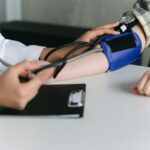
How Do You Know If Low Blood Pressure Is Dangerous?
The symptoms of low blood pressure are more important than the numbers on the monitor. A person can have a reading of 90/60 mmHg and feel perfectly fine. Another person with the same reading may feel faint and confused.
Dangerous low blood pressure is characterized by specific signs. These include dizziness or lightheadedness, fainting, blurred vision, nausea, and cold, clammy, pale skin. More serious signs include confusion, weak and rapid pulse, and shallow breathing. If a person cannot stay awake or is confused, this indicates the brain is not getting enough oxygen.
These symptoms indicate the body is entering shock. Shock is a life-threatening condition where organs are not receiving enough blood flow to function. If left untreated, shock progresses and can result in cardiac arrest. The progression from severe hypotension to cardiac arrest is not instant, but it can happen quickly, sometimes within minutes.
What Is the Treatment for Dangerous Low Blood Pressure?
Dangerous low blood pressure is treated in a hospital, usually in the intensive care unit. The goal is to restore blood flow to the organs as quickly as possible. Treatment focuses on the underlying cause and supporting the blood pressure.
The first step is often intravenous fluids. This helps increase blood volume quickly. If fluids are not enough, doctors use medications called vasopressors. These drugs cause the blood vessels to constrict, which raises blood pressure.
If the low pressure is caused by a heart problem, treatment may include medications to improve heart function or procedures to open blocked arteries. If an infection is the cause, antibiotics are administered immediately. In cases of severe blood loss, a blood transfusion is necessary. The specific treatment plan depends entirely on what is causing the pressure to drop.
There is no home remedy for dangerous low blood pressure. Drinking water or eating salt will not correct a drop caused by sepsis or a heart attack. These situations require immediate emergency medical care.
What Is the Difference Between Low Blood Pressure and Cardiac Arrest?
Low blood pressure is a symptom or a sign. Cardiac arrest is an event. Low blood pressure describes the pressure of blood against the artery walls. Cardiac arrest occurs when the heart’s electrical system malfunctions and the heart stops beating.
Low blood pressure can be a cause of cardiac arrest, but it is not the same thing. A person can have low blood pressure for years without ever experiencing cardiac arrest. Conversely, cardiac arrest can occur in people with normal or even high blood pressure. A heart attack, an electrical abnormality, or a severe electrolyte imbalance can trigger cardiac arrest without any prior history of low blood pressure.
Understanding this difference is important. You cannot “catch” cardiac arrest from having low blood pressure. However, you must treat the cause of severe hypotension to prevent it from leading to cardiac arrest. The heart is a muscle, and like all muscles, it needs a steady supply of oxygen-rich blood to survive.
When Should You Seek Emergency Help?
If you or someone else experiences low blood pressure with any signs of shock, call emergency services immediately. Do not wait to see if symptoms improve.
Seek emergency care if the person has fainted, seems confused, has cold and clammy skin, or has a rapid and weak pulse. These are signs that organ damage is occurring. It is also critical to seek help if low blood pressure is accompanied by chest pain, shortness of breath, or a severe headache. These symptoms may indicate a heart attack or another serious condition.
For chronic, mild low blood pressure that causes occasional dizziness, mention it to your doctor at your next visit. They can review your medications and check for underlying conditions. But for sudden, severe symptoms, the emergency room is the only appropriate destination.
Frequently Asked Questions
What blood pressure number causes cardiac arrest?
There is no specific number that causes cardiac arrest. The risk comes from a sudden, severe drop that leads to shock, often with a systolic pressure below 70 mmHg, but the underlying cause and symptoms matter more than the exact number.
Can low blood pressure cause a heart attack?
Low blood pressure is usually a result of a heart attack, not a cause of it. A heart attack can weaken the heart’s pumping ability, leading to low blood pressure. However, severely low blood pressure from other causes can reduce blood flow to the heart and cause damage.
Is low blood pressure dangerous if I feel fine?
No. If you have low blood pressure but no symptoms, it is generally not dangerous. Many healthy people, especially athletes, naturally have readings below 90/60 mmHg with no health consequences.
What should I do if someone faints from low blood pressure?
Lay the person down and elevate their legs to help blood flow to the brain. If they do not wake up within a minute, do not regain consciousness quickly, or have trouble breathing, call emergency services immediately.
