
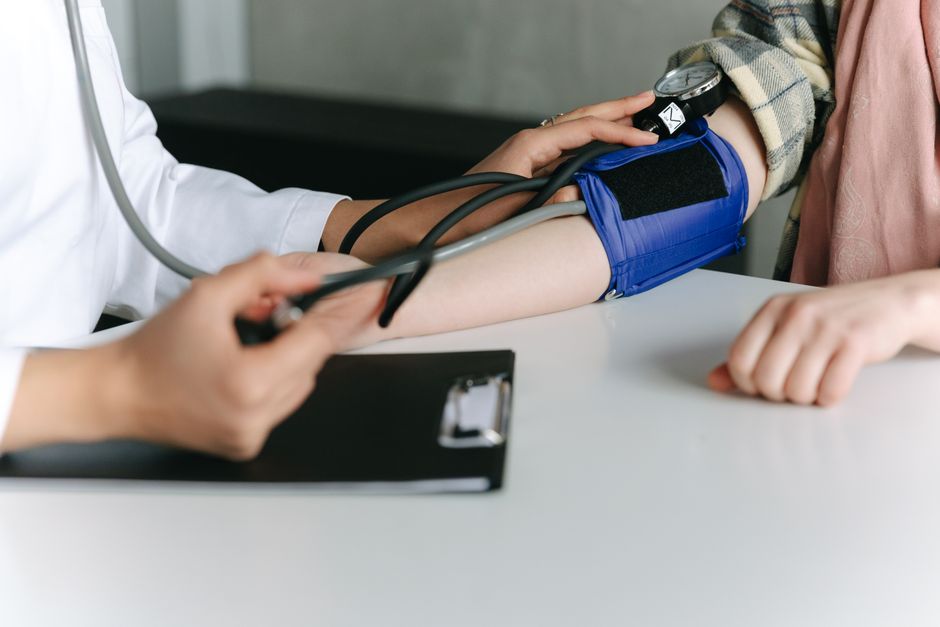
If your blood pressure is dangerously high, the fastest and safest way to bring it down is medical care — not a home remedy. A hypertensive crisis (generally 180/120 mm Hg or higher) is a medical emergency, and the correct first step is to call 911 or go to an emergency room. For everyday high blood pressure, the honest answer is that there is no safe way to drop your numbers dramatically in an hour. What you can do quickly is stop the things that push pressure up in the moment, and then make changes that lower it over days and weeks.
Blood pressure responds to breathing, stress, salt, alcohol, and medication timing. Some of those levers move within minutes. Others take consistent effort. Understanding which is which helps you act without doing something risky.
How Can You Reduce Blood Pressure Quickly?
Slow, steady breathing is the one technique with real short-term evidence behind it. When you breathe slowly and deeply — roughly six breaths per minute — your nervous system shifts toward a calmer state, blood vessels relax, and pressure can fall by a modest amount within minutes. The effect is temporary, but it is real and safe.
Beyond breathing, quick actions are mostly about removing triggers rather than adding remedies:
- Sit quietly for five minutes and retake your reading. A single high number is often stress, caffeine, or a full bladder.
- Skip the extra coffee or energy drink for the rest of the day.
- Do not add salt to food, and avoid high-sodium meals like fast food, canned soup, and processed meats.
- If you drink alcohol, stop for the day.
- Take your blood pressure medication if you missed a dose — but never double up without asking a pharmacist or doctor.
None of these will drop a 160/100 reading to normal in an hour. What they can do is keep a borderline reading from climbing further and give you a cleaner picture of where you actually stand.
What Is a Hypertensive Crisis and When Is It an Emergency?
A reading of 180/120 mm Hg or higher is the threshold clinicians use to define a hypertensive crisis. If you get a number that high, wait five minutes and check again. If it is still that high, seek emergency care immediately.
Call 911 if the high reading comes with any of these:
- Chest pain or pressure
- Shortness of breath
- Severe headache
- Vision changes or blurred vision
- Weakness, numbness, or trouble speaking
- Confusion
- Blood in the urine
These symptoms suggest the pressure may be damaging organs, which is a different problem from ordinary high blood pressure. Do not try to treat this at home. Do not take a fast-acting pill you were not prescribed for this situation — some of those medications can drop pressure too far, too fast and cause a stroke.
One clarification worth knowing: a very high reading without symptoms is still serious, but it is usually handled differently from a crisis with symptoms. That distinction is one reason you should let a clinician decide, not a search engine.
Does Drinking Water or Eating Certain Foods Lower Blood Pressure Fast?
No food or drink lowers blood pressure quickly in any meaningful way. This is one of the most persistent myths online. Celery juice, beet juice, garlic, and apple cider vinegar are frequently promoted for fast results. None has evidence of producing a rapid drop in blood pressure.
Beets and leafy greens do contain nitrates, which the body converts to nitric oxide — a molecule that relaxes blood vessels. Some studies suggest regular intake of nitrate-rich vegetables may support lower blood pressure over time. That is a slow, cumulative effect from diet, not a quick fix you can drink your way into this afternoon.
Potassium matters for blood pressure regulation, and most Americans get less than recommended. Foods like bananas, potatoes, beans, and spinach are good sources. But potassium is not a quick lever either, and it can be dangerous for people with kidney disease or those taking certain medications. Ask your doctor before increasing potassium if you have kidney problems or take a potassium-sparing diuretic.

How Fast Can Lifestyle Changes Actually Lower Blood Pressure?
The timeline depends on the change. Some shifts show up in days. Others take weeks to months to register. Here is a realistic picture based on established clinical understanding:
- Reducing sodium: Cutting sodium can lower blood pressure within a few weeks, with the largest drops in people who are salt-sensitive.
- Alcohol reduction: People who drink heavily often see pressure fall within days to weeks of cutting back.
- Weight loss: Losing weight gradually lowers pressure over weeks and months. Even modest loss tends to help.
- Exercise: Regular aerobic activity can lower resting blood pressure over several weeks. A single workout may lower it briefly afterward.
- Sleep: Treating sleep apnea can reduce blood pressure, sometimes noticeably, once treatment is consistent.
Notice that none of these produce a dramatic drop by tomorrow. That is the honest reality. Blood pressure responds to sustained change, not to a single good day.
Can Stress Reduction Lower Blood Pressure Right Away?
Acute stress raises blood pressure, and calming down can lower it within minutes. That is the mechanism behind the breathing technique mentioned earlier. The drop is usually small and short-lived.
Chronic stress is a different story. The relationship between long-term stress and sustained high blood pressure is not fully settled in the research. Some studies suggest chronic stress contributes to elevated pressure through sleep disruption, increased alcohol use, and other indirect routes. The direct link is less clear than most people assume.
What is clear: stress management is worth doing for many reasons, and it may modestly help blood pressure over time. It is not a substitute for medication when medication is needed.
When Should You Call a Doctor About High Blood Pressure?
Call your doctor if your readings are consistently at or above 130/80 mm Hg, or if they have been climbing over several weeks. That threshold reflects current understanding of cardiovascular risk — even mildly elevated pressure, sustained over years, raises the risk of heart attack, stroke, and kidney disease.
Also call if:
- Your home readings are often 180/120 or higher, even without symptoms
- Your medication does not seem to be working
- You have side effects from blood pressure medication
- You are pregnant or recently gave birth and your readings are high — this needs urgent attention
Pregnancy is worth flagging specifically. High blood pressure during pregnancy can signal preeclampsia, a serious condition that requires prompt medical care. Do not wait to see if it improves on its own.
What Does Not Work and Might Be Harmful?
Several popular approaches range from useless to dangerous. It is worth naming them plainly.
Taking extra doses of your medication to bring pressure down faster can cause it to drop too low, leading to fainting, falls, or worse. Never adjust your dose without guidance.
Fast-acting “rescue” medications borrowed from someone else, or used without a prescription for this purpose, can cause a dangerous drop. This is a known cause of harm in emergency settings.
Supplement marketing is largely unregulated. Products claiming to lower blood pressure quickly rarely have human trial evidence to support the claim. Some, like licorice root, can actually raise blood pressure.
Extreme fasting or “detox” cleanses have no evidence of lowering blood pressure and can disrupt electrolyte balance, which is risky for people on blood pressure medication.
The pattern here is that anything promising a fast, dramatic drop is either ineffective or unsafe. Real blood pressure control is gradual and boring. That is not a flaw in the process — it is how the body works.
How Do You Measure Blood Pressure Correctly at Home?
Accurate readings matter more than most people realize. A sloppy measurement can be off by enough to change how you and your doctor think about your blood pressure.
To get a reliable reading:
- Sit quietly for five minutes first
- Keep your back supported and feet flat on the floor
- Rest your arm on a table at heart level
- Do not talk during the measurement
- Avoid caffeine, exercise, and smoking for 30 minutes beforehand
- Empty your bladder first
- Take two or three readings a minute apart and average them
Home monitors are generally reliable if the cuff fits properly. Bring your monitor to a doctor’s visit occasionally to check it against theirs. An inaccurate monitor can lead to unnecessary worry or false reassurance.
Frequently Asked Questions
Can I lower my blood pressure in 10 minutes?
Slow breathing at about six breaths per minute may lower blood pressure by a small amount within minutes, but the effect is temporary. No home method produces a large, lasting drop in that timeframe.
What is the fastest safe way to lower blood pressure?
For a hypertensive crisis with symptoms, emergency medical care is the fastest safe option. For everyday high readings, removing triggers like caffeine, alcohol, and high-sodium food is the safest immediate step.
Does drinking water lower blood pressure quickly?
No. Drinking water does not lower blood pressure in any meaningful short-term way, though staying hydrated is good for general health.
Should I take an extra blood pressure pill if my reading is high?
No. Taking an extra dose without medical guidance can drop your pressure dangerously low. Call your doctor or pharmacist instead.
