
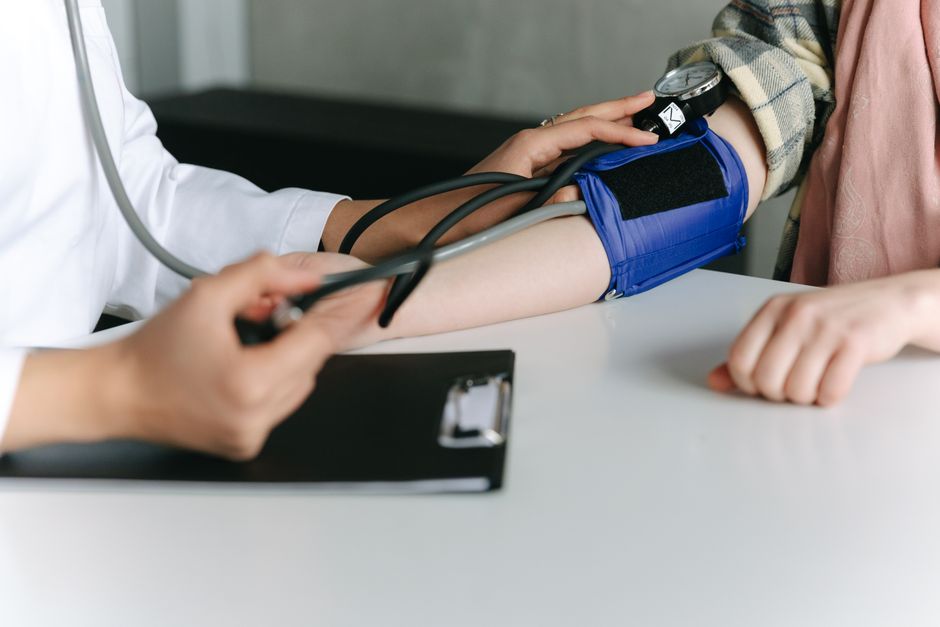
High blood pressure means the force of blood pushing against your artery walls stays too high for too long. For most adults, a reading of 130/80 mmHg or higher is considered high. The danger is not usually in how you feel that day. It is in what years of elevated pressure quietly do to your heart, brain, kidneys, and eyes.
What Is Really High Blood Pressure?
Blood pressure is written as two numbers. The top number, systolic pressure, is the force when your heart squeezes. The bottom number, diastolic pressure, is the force when your heart relaxes between beats.
Both numbers matter. A reading of 120/80 mmHg is considered normal. Numbers that stay at or above 130/80 mmHg generally fall into the high blood pressure range for adults.
Here is the part many people miss. High blood pressure is not one single condition. It describes a pattern that develops for different reasons in different people. In the large majority of cases, there is no single identifiable cause. This is called primary or essential hypertension. In a smaller share of cases, another condition or medication is driving the numbers up. That is called secondary hypertension.
The distinction matters. Secondary causes can sometimes be corrected, which may resolve the blood pressure problem at its root. Primary hypertension is managed rather than cured.
What Do the Blood Pressure Numbers Actually Mean?
Blood pressure categories are based on the higher of your systolic or diastolic reading. If your top number is in one range and your bottom number is in another, the higher category applies.
| Category | Systolic (mmHg) | Diastolic (mmHg) |
|---|---|---|
| Normal | Below 120 | Below 80 |
| Elevated | 120–129 | Below 80 |
| Stage 1 hypertension | 130–139 | 80–89 |
| Stage 2 hypertension | 140 or higher | 90 or higher |
These thresholds come from widely used clinical guidelines. They are not arbitrary. They reflect where research shows cardiovascular risk begins to rise across large groups of people.
A single high reading is not a diagnosis. Blood pressure shifts minute to minute with stress, caffeine, movement, and even talking. Diagnosis generally requires repeated readings over time, often including measurements taken at home or over a full day with a monitor.
One practical detail that surprises people: how the cuff is placed and how you sit can change your reading by a meaningful amount. Feet flat on the floor, back supported, arm at heart level, and no talking during the measurement. Get those wrong and you may be treating a number that was never real.
Why Is High Blood Pressure Called the Silent Killer?
High blood pressure usually causes no symptoms until damage is already significant. That is the core of why it is dangerous.
You cannot feel your arteries stiffening. You cannot feel the extra workload on your heart muscle. Many people with seriously elevated pressure feel completely normal right up until a heart attack, stroke, or kidney problem appears.
This is also why some common beliefs are misleading. Headaches, nosebleeds, and feeling tense are often blamed on blood pressure. For most people, these symptoms are not reliably caused by high blood pressure. A headache can happen during a severe spike, but it is not a dependable warning sign.
The absence of symptoms does not mean the absence of harm. It means the harm is happening out of view.



When Does High Blood Pressure Become Dangerous?
Danger comes from two different timelines, and they behave very differently.
The first is the slow timeline. Over years and decades, sustained pressure damages the inner lining of arteries. This contributes to plaque buildup, stiffening of vessel walls, and thickening of the heart muscle. The result is a higher risk of heart attack, stroke, heart failure, kidney disease, and vision loss.
The higher your pressure and the longer it stays high, the greater the risk. Risk also climbs with other factors present, such as diabetes, smoking, high cholesterol, and a family history of early heart disease.
The second timeline is sudden. A severe spike in blood pressure can become a medical emergency. This is generally defined as a reading around 180/120 mmHg or higher, especially when it comes with symptoms.
Warning signs that suggest an emergency include:
- Chest pain or pressure
- Shortness of breath
- Severe headache, often with confusion or vision changes
- Weakness or numbness on one side of the body
- Difficulty speaking
- Blood in the urine
If a reading is at or above 180/120 mmHg and you have any of these symptoms, that is an emergency. Call emergency services. Do not wait to see if it passes.
If a reading is that high but you feel completely normal, the guidance is different. Wait a few minutes and measure again. If it stays that high, contact a doctor promptly rather than rushing to the emergency room. Many people have high readings without an active crisis, and treating the number alone is not always the right move.
What Causes Blood Pressure to Rise?
For most people, high blood pressure develops from a mix of factors rather than one cause.
Age plays a role. Arteries stiffen over time, which tends to raise systolic pressure. Genetics matter too. High blood pressure often runs in families.
Several factors are within your influence:
- Too much sodium in the diet
- Not enough potassium from foods like fruits and vegetables
- Carrying extra weight, especially around the abdomen
- Physical inactivity
- Heavy or regular alcohol use
- Chronic stress and poor sleep
Some causes are medical rather than lifestyle. Kidney disease, certain hormone conditions, sleep apnea, and some medications including certain pain relievers and decongestants can raise blood pressure. This is why a sudden change in readings sometimes prompts a doctor to look for a secondary cause.
One clarification worth making. Stress can raise blood pressure in the moment, and ongoing stress may contribute over time. But stress alone is rarely the whole explanation. It is one thread, not the entire fabric.
How Is High Blood Pressure Treated?
Treatment depends on how high the numbers are and what other risks you carry.
For mildly elevated pressure, doctors often start with lifestyle changes. Reducing sodium, losing weight if needed, increasing physical activity, limiting alcohol, and improving sleep can all lower blood pressure. Some people respond strongly to these changes. Others respond only modestly, and that is not a personal failure. It reflects how much of the problem is driven by factors outside lifestyle alone.
When lifestyle changes are not enough, or when pressure is high enough that waiting carries real risk, medication is usually recommended. Several classes of drugs are used, including diuretics, ACE inhibitors, angiotensin receptor blockers, and calcium channel blockers. Many people need more than one to reach their target.
Medication for high blood pressure is generally a long-term commitment. Stopping because you feel fine is a common mistake. The pressure returns, and so does the risk.
Some clinicians recommend home blood pressure monitoring to track patterns over time. This can be more reliable than occasional office readings, which are sometimes affected by the stress of a medical visit itself.
Can High Blood Pressure Be Prevented?
Risk can be reduced, though not always eliminated. Genetics and age cannot be changed.
The steps with the strongest support are unglamorous and familiar. Keep sodium intake moderate. Eat more potassium-rich foods. Stay physically active. Maintain a healthy weight. Limit alcohol. Do not smoke.
These steps do not guarantee you will avoid high blood pressure. But across large populations, they are linked to lower risk and lower readings. For someone already diagnosed, the same steps can reduce how much medication is needed and improve overall cardiovascular health.
Checking your blood pressure regularly is part of prevention too. You cannot manage a number you never measure.
Frequently Asked Questions
What blood pressure reading is considered dangerous?
A reading of 180/120 mmHg or higher is considered a hypertensive crisis, especially if it comes with symptoms like chest pain, severe headache, or weakness. Readings at or above 130/80 mmHg are generally considered high and raise long-term risk even without symptoms.
Can high blood pressure make you feel dizzy or cause headaches?
For most people, high blood pressure causes no symptoms at all, which is why it is called the silent killer. Headaches and dizziness are not reliable warning signs and are more often caused by something else.
How often should I check my blood pressure?
Adults without a diagnosis are often advised to check at routine medical visits, and more often if readings are borderline. People with diagnosed high blood pressure are frequently encouraged to monitor at home, though the right schedule depends on individual circumstances.
Is high blood pressure curable?
Primary high blood pressure is managed rather than cured, usually through lifestyle changes and sometimes medication. Some cases caused by another condition can improve or resolve when that underlying cause is treated.
