
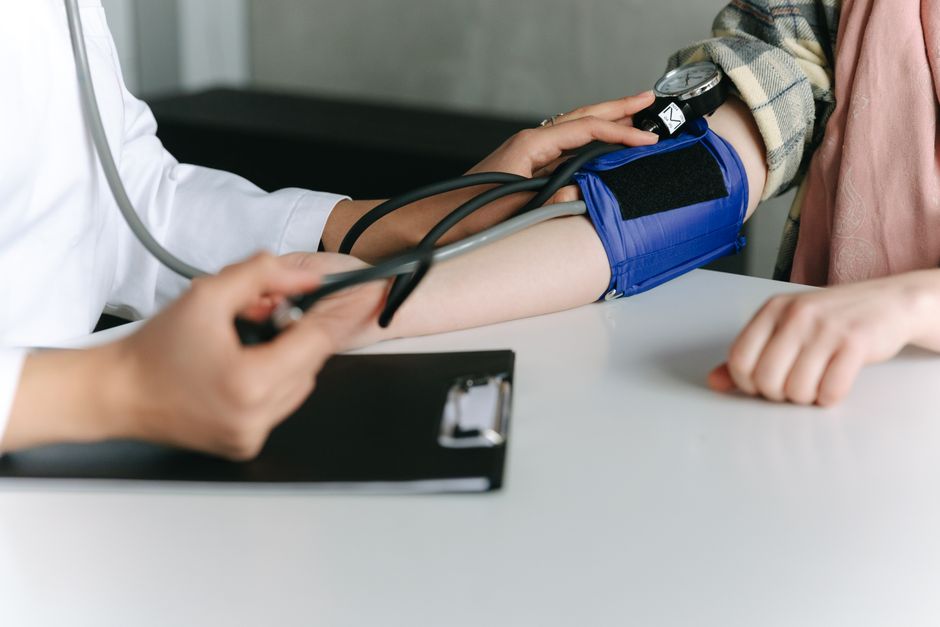
Low blood pressure is only a problem when it causes symptoms. If you feel dizzy, lightheaded, or faint, the fastest home steps are to lie down with your legs raised, drink water, and eat something salty. These measures can ease symptoms within minutes for some people, though the effect varies based on why your pressure dropped in the first place.
Blood pressure is the force of blood pushing against artery walls. When it falls low enough that the brain and other organs get less blood flow, symptoms appear. For most adults, a reading below 90/60 mmHg is considered low, but numbers alone do not define a problem. Some healthy people live at that level with no symptoms at all.
What Counts As Low Blood Pressure?
A blood pressure reading below 90/60 mmHg is generally classified as low. But this threshold is a reference point, not a diagnosis. What matters more is whether you have symptoms.
Doctors call symptomatic low blood pressure hypotension. The condition has several forms, and they behave differently.
- Orthostatic hypotension — pressure drops when you stand up from sitting or lying down. It usually lasts seconds to a few minutes.
- Neurally mediated hypotension — pressure falls after standing for a long time. It is more common in younger people.
- Severe hypotension from shock — a medical emergency. Pressure drops dangerously because of blood loss, infection, or an allergic reaction.
Chronic low blood pressure without symptoms rarely needs treatment. Symptomatic drops are the ones that need attention.
How To Bring Blood Pressure Up Quickly At Home
The fastest home measures address the most common causes of a sudden drop: dehydration, standing too long, and low blood volume. None of these replace medical care if symptoms are severe or keep returning.
Lie Down And Raise Your Legs
Lie on your back and prop your legs above the level of your heart using pillows or a chair. This position helps blood flow back toward your heart and brain. It can ease dizziness within a minute or two for many people.
Stay in this position until you feel steady. Getting up too fast can bring the symptoms right back.
Drink Water
Drinking a glass of water can raise blood pressure within 15 to 30 minutes in some people. This effect is well documented in research on water intake and blood pressure. It appears to work through nervous system signaling, not just through adding fluid volume.
Plain water is the right choice here. Very cold water may trigger a stronger response in some people, but the evidence on temperature is not strong enough to make a firm recommendation.
Eat Something Salty
Sodium helps the body hold onto fluid, which supports blood volume and pressure. A salty snack like crackers, pretzels, or broth can help if your drop is linked to low fluid or low sodium intake.
This is not a green light for a high-salt diet. Sodium affects people differently. If you have heart failure, kidney disease, or a history of high blood pressure, talk to your doctor before increasing salt. For some people, extra sodium is genuinely harmful.
Drink A Caffeinated Beverage
Caffeine can cause a short-term rise in blood pressure. A cup of coffee or tea may help briefly. The effect is modest and tends to fade in people who drink caffeine regularly.
Caffeine is not a reliable treatment for ongoing low blood pressure. It is a short-term option at best.
Wear Compression Stockings
Compression stockings squeeze the legs and help blood return to the heart. They are commonly used for orthostatic hypotension. This is not a quick fix — the benefit comes from wearing them consistently, not from putting them on during a dizzy spell.
What Causes A Sudden Drop In Blood Pressure?
Understanding the cause matters because the right response depends on it. A drop from dehydration needs fluid. A drop from a medication needs a different conversation.
Common causes include:
- Dehydration — not enough fluid in the body lowers blood volume.
- Standing up quickly — blood pools in the legs and pressure falls before the body adjusts.
- Medications — diuretics, some blood pressure drugs, certain antidepressants, and some heart medications can lower pressure too much.
- Eating a large meal — blood shifts to the digestive tract after eating, which can cause a drop. This is called postprandial hypotension.
- Prolonged standing — blood pools in the legs over time.
- Heart problems — a slow heart rate or valve issues can reduce pressure.
- Endocrine conditions — thyroid problems, adrenal insufficiency, and diabetes can affect blood pressure regulation.
- Blood loss or severe infection — these cause dangerous drops that need emergency care.
Some people have low blood pressure as a normal state. Athletes and fit younger adults often run lower readings without any issue.

When Low Blood Pressure Is An Emergency
Some drops in blood pressure are life-threatening. Call 911 if you or someone else has:
- Fainting or loss of consciousness
- Chest pain
- Severe shortness of breath
- Confusion or trouble speaking
- Cold, clammy, pale skin
- A weak, rapid pulse
- Bloody or black stools
- Signs of an allergic reaction, such as swelling of the face or throat
These signs can point to shock. Shock happens when organs do not get enough blood. It is a medical emergency and cannot be managed at home.
If you have repeated episodes of dizziness or fainting, see a doctor even if each episode passes. Recurring drops can signal an underlying condition that needs treatment.
What Not To Do When Your Blood Pressure Drops
Some common responses make things worse. Knowing what to avoid is as useful as knowing what to do.
- Do not jump up quickly. Sudden movement can trigger another drop.
- Do not drink alcohol. Alcohol can lower blood pressure further and worsen dehydration.
- Do not skip meals. Low blood sugar and low fluid intake can both contribute to symptoms.
- Do not assume salt is safe for you. If you have heart or kidney conditions, extra sodium can cause harm.
- Do not stop or change medications on your own. If a medication is causing low pressure, your doctor needs to adjust it.
One common mistake is treating a low reading that has no symptoms. If you feel fine, a number below 90/60 is often not a problem. Chasing a higher number when you have no symptoms can lead to unnecessary worry and unneeded salt or caffeine.
Long-Term Steps To Manage Low Blood Pressure
For people with recurring symptoms, daily habits matter more than any quick fix. These steps are commonly recommended by clinicians, though individual results vary.
- Stay hydrated. Aim for steady fluid intake through the day, not just when you feel dizzy.
- Eat smaller, more frequent meals. This can reduce drops after eating.
- Rise slowly. Sit up before standing. Sit on the edge of the bed for a moment before getting up.
- Avoid standing still for long periods. Move your legs or shift your weight if you must stand.
- Review your medications with your doctor. Some drugs may need dose changes.
- Consider compression stockings. These are often suggested for orthostatic symptoms.
Some clinicians recommend increasing sodium and fluid intake for certain patients with chronic orthostatic hypotension. This should be done under medical guidance, not self-prescribed. The evidence for sodium loading is stronger in specific conditions than in general low blood pressure.
Does Diet Affect Low Blood Pressure?
Diet plays a role, but not in the way most people expect. There is no specific food that raises blood pressure quickly and reliably.
What matters is fluid and sodium balance. People who eat very little salt or drink too little water are more likely to have symptoms. Very low-carbohydrate diets can also cause the body to lose fluid and sodium, which may lower pressure in some people.
Vitamin B12 and folate deficiencies can cause anemia, which may contribute to low blood pressure. If a deficiency is present, treating it can help. But taking these vitamins without a confirmed deficiency is unlikely to change your blood pressure.
No supplement has strong evidence for raising blood pressure in people with normal levels of the relevant nutrients. Be cautious of products marketed for low blood pressure. Most have not been tested in large human trials.
How Is Low Blood Pressure Diagnosed?
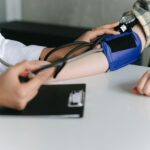
Diagnosis starts with measuring blood pressure in different positions — lying down, sitting, and standing. A drop of at least 20 mmHg in systolic pressure or 10 mmHg in diastolic pressure within a few minutes of standing supports a diagnosis of orthostatic hypotension.
Your doctor may also order blood tests, an electrocardiogram, or a tilt-table test depending on your symptoms. These help rule out heart, endocrine, and nervous system causes.
Keeping a record of when symptoms happen — after meals, when standing, in the morning — gives your doctor useful clues. The pattern often points to the cause.
Frequently Asked Questions
How can I raise my blood pressure quickly at home?
Lie down with your legs elevated, drink a glass of water, and eat something salty. These steps can ease symptoms within minutes for some people, but they do not treat every cause.
What is the fastest way to raise low blood pressure?
Lying down with your legs above heart level is the fastest physical step because it helps restore blood flow to the brain. Drinking water can add a measurable effect within 15 to 30 minutes in some people.
Is low blood pressure always a problem?
No. A reading below 90/60 mmHg without symptoms is often normal, especially in fit or younger adults. It only needs attention when it causes dizziness, fainting, or other symptoms.
When should I see a doctor for low blood pressure?
See a doctor if you have repeated dizziness, fainting, or symptoms that interfere with daily life. Call 911 for chest pain, confusion, cold clammy skin, or loss of consciousness.
