
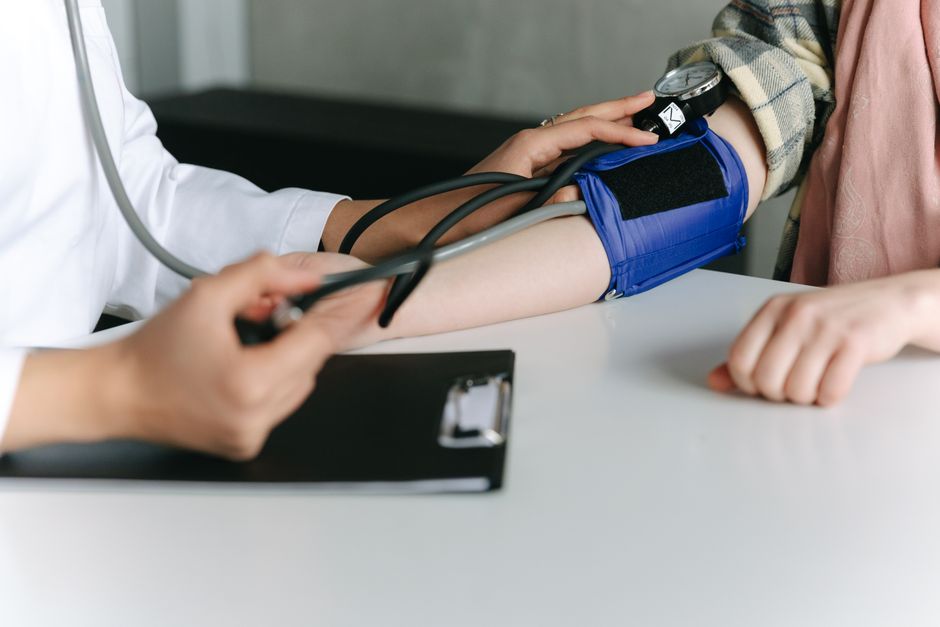
Blood pressure is the force of blood pushing against the walls of your arteries as your heart pumps. It is measured with two numbers: systolic pressure (the top number, when your heart contracts) and diastolic pressure (the bottom number, when your heart rests between beats). A normal reading is below 120/80 mm Hg. Readings consistently at or above 130/80 mm Hg are generally classified as high blood pressure, a condition that raises the risk of heart attack, stroke, and kidney disease over time.
What Is Blood Pressure Numbers Ranges And Risks? Key Facts
Blood pressure categories are well established and used by clinicians worldwide. The ranges below reflect the classification system used by major US heart organizations.
| Category | Systolic (mm Hg) | Diastolic (mm Hg) |
|---|---|---|
| Normal | Below 120 | Below 80 |
| Elevated | 120–129 | Below 80 |
| Stage 1 hypertension | 130–139 | 80–89 |
| Stage 2 hypertension | 140 or higher | 90 or higher |
| Hypertensive crisis | Higher than 180 | Higher than 120 |
A single high reading does not mean you have hypertension. Diagnosis generally requires multiple elevated readings on separate occasions. That is because blood pressure naturally shifts throughout the day — it rises with stress, caffeine, exercise, and even the act of having it measured in a clinic.
What makes high blood pressure dangerous is what it does silently. It damages artery walls over years, forcing the heart to work harder and narrowing the vessels that supply blood to the brain, kidneys, and eyes. Most people with high blood pressure feel nothing at all. That is why it is often called a silent condition.
What Do the Top and Bottom Numbers Actually Mean?
The systolic number measures the peak pressure in your arteries when your heart squeezes and pushes blood out. The diastolic number measures the pressure that remains when your heart relaxes and refills.
Both numbers matter, but they matter differently depending on age. For people under 50, the diastolic number is often the more telling signal of cardiovascular risk. After 50, systolic pressure tends to rise steadily as arteries stiffen, and it becomes the stronger predictor of heart disease and stroke. This shift is one reason blood pressure is not a single snapshot — it is a pattern that changes across a lifetime.
Some people have isolated systolic hypertension, where only the top number is high. This is most common after age 60 and still requires attention. A wide gap between the two numbers (for example, 160/70) also carries meaning, though interpreting that gap requires a clinician’s assessment of the individual.
What Counts as Dangerously High Blood Pressure?
A reading above 180/120 mm Hg is considered a hypertensive crisis. If you get a reading that high, wait five minutes and measure again. If it is still that high, seek emergency medical care immediately.
If the reading is above 180/120 and you also have symptoms — chest pain, shortness of breath, severe headache, vision changes, weakness, or difficulty speaking — call 911. These symptoms could indicate organ damage, and this is a medical emergency.
However, a very high reading without symptoms is also serious. Some people with chronically elevated pressure develop what clinicians call hypertensive urgency, which requires prompt medical attention but not necessarily an emergency room visit. The distinction between urgency and emergency depends on whether organs are being affected, which only a medical evaluation can determine.
What Raises Your Risk of High Blood Pressure?
Several factors consistently increase the likelihood of developing high blood pressure. Some are within your control. Others are not.
- Age. Blood vessels stiffen over time. Risk rises steadily after age 45 for men and after age 65 for women, though the pattern varies.
- Family history. Having a parent or sibling with high blood pressure raises your risk.
- Race and ethnicity. In the US, high blood pressure tends to develop earlier and be more severe in Black adults compared with white adults. The reasons involve a mix of genetic, environmental, and social factors that researchers are still working to fully understand.
- Excess body weight. Carrying extra weight forces the heart to pump harder and is strongly linked to elevated pressure.
- Physical inactivity. Regular movement helps keep blood vessels flexible.
- High sodium intake. Excess sodium causes the body to retain fluid, which raises pressure. The relationship varies between individuals — some people are more sodium-sensitive than others.
- Alcohol and tobacco. Both raise blood pressure. Smoking damages vessel walls directly.
- Chronic stress and poor sleep. These can contribute, though the exact mechanisms and the size of the effect are still being studied.
Some risk factors cannot be changed. But even modest improvements in the ones that can be changed often produce meaningful reductions in blood pressure. The effect size varies by person, and not everyone responds the same way.
Why Does High Blood Pressure Damage the Body?
Arteries are built to handle pulsating pressure, but they are not built to handle it constantly elevated. When pressure stays high, the artery walls experience continuous mechanical stress. Over time, this causes small tears and inflammation.
The body responds by laying down stiff tissue in the artery walls, which makes them less flexible. Stiffer arteries push pressure even higher, creating a feedback loop. In the heart, this means the left ventricle must pump against greater resistance, and the heart muscle thickens as a result. A thickened heart is less efficient and more prone to failure over time.
In the brain, high pressure weakens small blood vessels and makes them more likely to block or burst — the mechanism behind many strokes. In the kidneys, the tiny filtering vessels sustain damage that can progress to chronic kidney disease. In the eyes, the small vessels of the retina can bleed or leak, sometimes leading to vision loss.
This damage is not inevitable. Lowering blood pressure reduces the risk of these outcomes. The relationship between blood pressure and cardiovascular risk is continuous — even small reductions can help, and the benefit is larger when pressure is brought down earlier.
How Is Blood Pressure Measured Correctly?
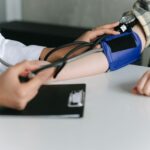
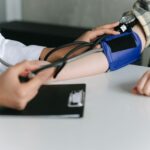
Measurement technique matters more than most people realize. A sloppy reading can be off by 10 to 20 mm Hg, which is enough to change a diagnosis or a treatment decision.
To get an accurate reading:
- Sit quietly for five minutes before measuring.
- Keep your back supported and feet flat on the floor.
- Rest your arm on a surface at heart level.
- Do not talk during the measurement.
- Use a cuff that fits your arm — too small a cuff reads high, too large reads low.
- Avoid caffeine, exercise, and smoking for at least 30 minutes beforehand.
- Empty your bladder first.
At-home monitors can be useful, but they need to be validated and used correctly. Some clinicians recommend bringing your home monitor to a medical visit to compare it against the office reading. This helps catch devices that are inaccurate.
One reading is never the whole story. Blood pressure fluctuates minute to minute. Trends over days and weeks are far more informative than any single number.
Does White Coat Hypertension Really Matter?
White coat hypertension is when blood pressure reads high in a clinic but is normal at home. It is not simply nerves. Research suggests it reflects a real physiological response to the medical setting in some people, and it may carry some increased cardiovascular risk over time, though less than sustained high blood pressure.
The opposite also exists: masked hypertension, where blood pressure is normal in the clinic but high at home. This pattern can be missed entirely if only office readings are used. Both patterns are reasons why home monitoring or 24-hour ambulatory monitoring can be valuable. These tools give a fuller picture than a single office visit.
If your clinic readings and home readings disagree consistently, that is worth discussing with a clinician. It may change how your blood pressure is managed.
What Actually Lowers Blood Pressure?
Lifestyle changes can lower blood pressure, and for some people they are enough to bring readings into a healthier range. For others, medication is necessary. Often it is both.
Established approaches include reducing sodium intake, increasing potassium from food sources (unless a clinician has told you to limit potassium due to kidney disease), losing excess weight, exercising regularly, limiting alcohol, and quitting smoking. The DASH eating pattern — rich in vegetables, fruits, whole grains, and lean protein — has been studied for decades and is consistently associated with lower blood pressure.
How much any of these helps varies widely between individuals. Some people see large drops from modest sodium reduction. Others see little change. Genetics, age, and existing health conditions all play a role.
When lifestyle changes are not enough, medication is typically added. There are several classes of blood pressure medications, and they work through different mechanisms. Finding the right one — or the right combination — often involves some trial and adjustment. This is normal and not a sign of failure.
What is clear from decades of research is that treating high blood pressure reduces the risk of stroke, heart attack, and other cardiovascular events. The benefit is well established. The specifics of how aggressively to treat, and at what threshold to start medication, continue to be debated and refined in clinical guidelines.
Frequently Asked Questions
What is a normal blood pressure reading?
A normal reading is below 120/80 mm Hg. Readings between 120–129 systolic with diastolic below 80 are classified as elevated, which is not yet hypertension but signals increased risk.
Can high blood pressure cause symptoms?
Most people with high blood pressure feel no symptoms at all, even when readings are significantly elevated. Symptoms like headaches or nosebleeds are not reliable indicators and typically only appear in a hypertensive crisis.
How often should I check my blood pressure?
If your readings are normal and you have no other risk factors, checking at routine medical visits is generally sufficient. If you have elevated or high readings, or other cardiovascular risk factors, more frequent monitoring — often at home — is commonly recommended.
Can I lower my blood pressure without medication?
Some people can lower their blood pressure through lifestyle changes such as reducing sodium, exercising, and losing excess weight. Whether this is enough depends on how high your pressure is and your overall health, and it should be discussed with a clinician.
