
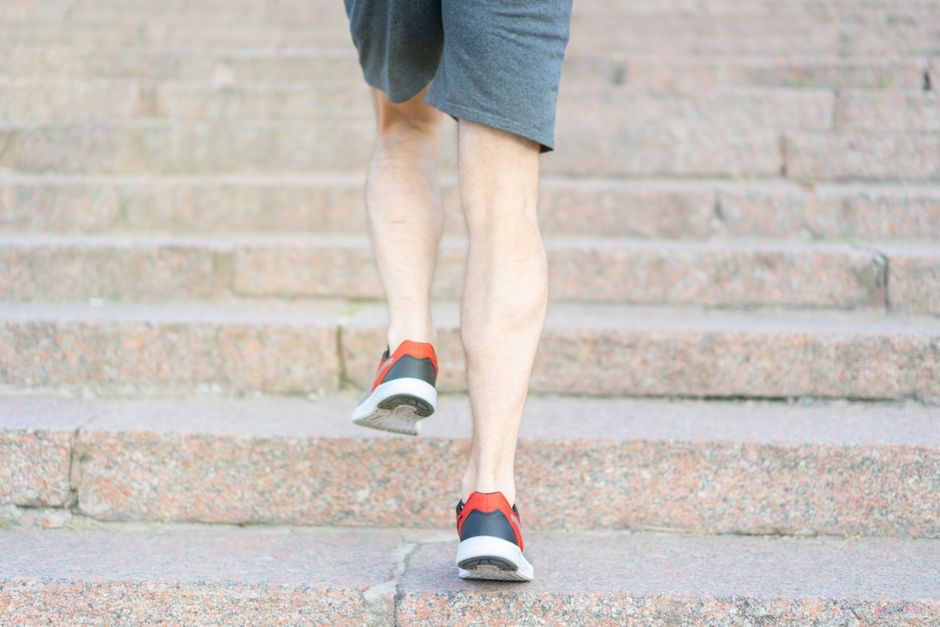
You climb a flight of stairs, and for a moment you feel your heart pound. You sit down, catch your breath, and someone takes your blood pressure. The number is higher than usual. Was it the stairs? Yes, and that is normal. Physical activity of any kind — including climbing stairs — raises blood pressure while you are doing it. The rise is temporary. In a healthy person, blood pressure returns toward its resting level within minutes after you stop.
This matters because a reading taken too soon after activity can look alarming when nothing is wrong. It also matters because how your blood pressure responds to something like stairs can carry real information about your heart and blood vessels. This article explains the physiology, what the numbers mean, and why timing is everything when you measure.
What Is A Riser From Stairs To Blood Pressure?
Climbing stairs is a form of aerobic and resistance exercise at the same time. Your leg muscles demand more oxygen, so your heart pumps harder and faster, and your blood vessels adjust to send more blood to working muscles. The result is a short-term rise in blood pressure.
During exercise, systolic pressure — the top number — typically climbs. This is expected and reflects your heart pushing more blood with each beat. Diastolic pressure — the bottom number — usually changes much less, and in many people it stays about the same or even drops slightly, because blood vessels widen in response to exercise.
For most healthy adults, systolic pressure during moderate exercise can rise well above resting levels. This is a normal response, not a sign of disease. The key point is that the rise is transient. Once you stop and recover, your pressure should drift back toward your baseline.
One non-obvious detail: a normal rise during exercise is not the same as high blood pressure. Hypertension is diagnosed from resting measurements, taken under standardized conditions, not from readings during or right after activity.
Why Does Climbing Stairs Raise Blood Pressure?
Two things happen at once. Your heart increases its output, and your blood vessels change their diameter. Together these produce the pressure change.
When you start climbing, your nervous system releases signals that speed up your heart and make it contract more forcefully. More blood leaves the heart each minute. At the same time, the small arteries feeding your working leg muscles widen to deliver more oxygen. That widening lowers resistance in those areas.
But not all vessels widen. Blood flow is redirected away from areas that do not need it right now, toward the muscles doing the work. The net effect on the pressure reading depends on how strongly the heart is pumping versus how much the vessels have opened.
Stairs add a resistance component too. You are lifting your body weight against gravity with each step, which increases the demand on your muscles and your heart compared with walking on flat ground. That is part of why stairs can feel harder than a level walk of the same duration.
How Much Does Blood Pressure Rise on Stairs?
The size of the rise varies a lot from person to person. It depends on your fitness, your age, how fast you climb, and whether you are used to the effort.
Rather than fixating on a specific number, understand the pattern. A healthy response is a rise in systolic pressure that is proportional to the effort, with a steady return to baseline during recovery. What matters more than the peak is how quickly and smoothly you come back down.
Some research suggests that an exaggerated blood pressure response to exercise may be associated with a higher long-term risk of developing hypertension, even in people whose resting readings are normal. This is an area of active study, and the findings are not yet strong enough to be used as a standalone diagnostic tool in routine care. It is a signal worth discussing with a clinician, not a diagnosis on its own.
If you want to know your true resting blood pressure, measure it after you have been sitting quietly for at least five minutes, with your back supported, feet flat, and arm at heart level. Do not measure right after stairs, coffee, or a stressful moment.

How Long Does It Take for Blood Pressure to Return to Normal After Stairs?
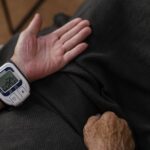
For most healthy adults, blood pressure and heart rate begin falling as soon as you stop. Heart rate typically recovers faster than blood pressure. Within a few minutes of rest, most people are close to their baseline.
Fitness affects recovery speed. People who are more conditioned tend to return to baseline more quickly, because their cardiovascular system handles the demand more efficiently. Age also plays a role — recovery tends to slow somewhat with age, even in healthy people.
If your pressure stays elevated for a long time after mild activity, or if you feel dizzy, faint, or unusually short of breath, that is worth mentioning to a doctor. Persistent elevation after exertion is not something to dismiss.
Can Stairs Be Used to Test Heart Health?
Stair climbing is sometimes used in clinical settings as a simple way to assess exercise capacity and how the heart responds to effort. Because it is easy to standardize and requires no equipment, it can be a practical screening tool.
However, a stair test is not a substitute for a proper evaluation. A clinician interpreting a stair-climb response looks at heart rate, blood pressure, symptoms, and how quickly you recover — not just one number. Formal exercise stress testing uses controlled protocols and monitoring that a flight of stairs cannot replicate.
If you have known heart disease, uncontrolled high blood pressure, or symptoms like chest pain or fainting with exertion, do not use stairs as a self-test. Talk to a clinician about appropriate evaluation.
Why Timing Matters When You Measure Blood Pressure
A blood pressure reading is only as good as the conditions under which it was taken. Activity is one of the most common things that throws a reading off.
To get a meaningful resting measurement, follow the same steps clinicians use:
- Sit quietly for at least five minutes before measuring.
- Keep your back supported and feet flat on the floor.
- Rest your arm on a surface at about heart level.
- Avoid caffeine, exercise, and smoking for at least 30 minutes beforehand.
- Take two or three readings a minute apart and average them.
Measuring right after stairs, or while still breathing hard, will give you a number that does not reflect your true resting pressure. That single reading is not useful for judging whether you have hypertension.
This is also why home blood pressure monitors come with instructions to rest first. The device is accurate. The conditions around it are what people get wrong.
When a Rise on Stairs Is Worth Paying Attention To
In most cases, a rise in blood pressure during stairs is normal and expected. There are situations where the response deserves a closer look.
An unusually large rise, a slow return to baseline, or symptoms during the climb are the things clinicians care about. Symptoms include chest tightness, severe breathlessness, dizziness, or a feeling that your heart is racing out of control. These are not normal exercise sensations and should be evaluated.
Some research indicates that an exaggerated blood pressure response to exercise is more common in people who go on to develop hypertension. This does not mean the response causes hypertension. It means the two are associated, and the response may serve as an early signal. The evidence here is still developing and should not be treated as a confirmed screening standard.
If you are concerned about how your blood pressure responds to activity, the useful step is to track your resting readings over time and share them with a clinician. Resting trends carry more weight than any single post-stair reading.
Frequently Asked Questions
Does climbing stairs raise blood pressure?
Yes, climbing stairs raises blood pressure during the activity because your heart pumps harder and faster to meet the demand for oxygen. The rise is temporary and typically returns toward baseline within a few minutes of resting.
How long should I wait to check blood pressure after stairs?
Wait at least five minutes of quiet sitting before measuring, and ideally longer if you are still breathing hard. A reading taken immediately after stairs does not reflect your true resting blood pressure.
Is a high reading after stairs a sign of high blood pressure?
No, a single elevated reading after activity is not how hypertension is diagnosed. High blood pressure is identified from repeated resting measurements taken under standardized conditions.
Can stairs show if my heart is healthy?
Stair climbing can give a rough sense of exercise capacity and recovery, and clinicians sometimes use it informally. It is not a substitute for a proper cardiac evaluation or exercise stress test.
