
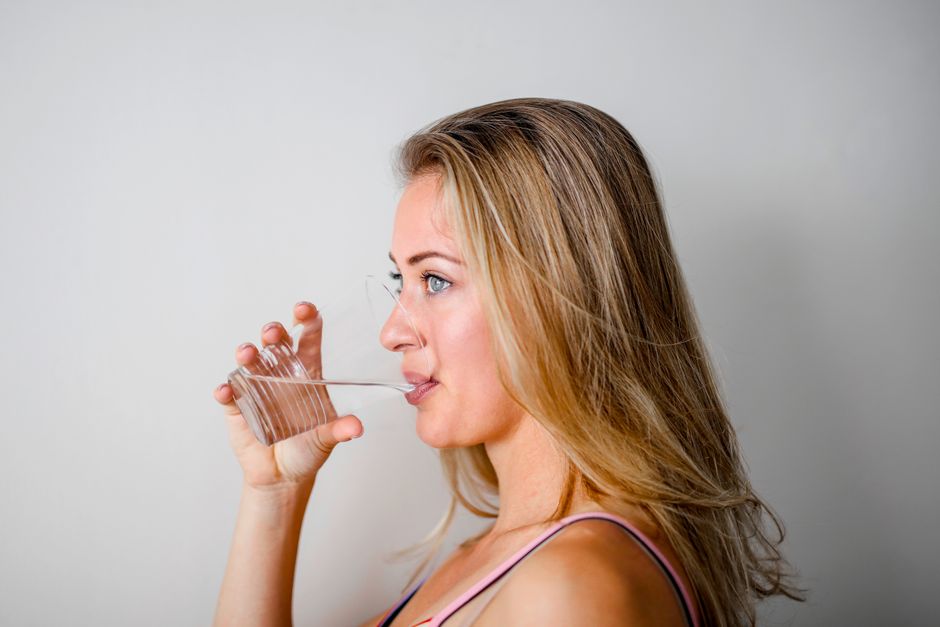
Yes, you can usually drink plain water during a 3-hour glucose test. Most labs allow small sips of water while you wait between blood draws. The sugar drink is what the test is measuring, not your water intake. But you should confirm with your specific lab, because a few still ask you to fast from everything, water included.
The 3-hour glucose test is used to diagnose gestational diabetes in pregnancy and sometimes to evaluate other blood sugar problems. It works by measuring how your body handles a large, fixed dose of glucose over three hours. Water does not contain glucose or calories, so it does not change the number the test is trying to capture.
What Is a 3 Hour Glucose Test and Why Does It Matter What You Consume?
A 3-hour glucose test is a timed series of blood draws that tracks how your blood sugar responds to a set amount of glucose. You drink a sweet liquid containing a standardized dose of glucose. Then a technician draws your blood at set intervals over three hours to see how your levels rise and fall.
The test is most often used to diagnose gestational diabetes. In pregnancy, hormones from the placenta can make cells less responsive to insulin. When that resistance becomes strong enough, blood sugar rises higher than normal. Gestational diabetes raises risks for both mother and baby, which is why testing is standard in prenatal care.
Because the test is measuring your body’s response to a precise glucose load, anything else you consume could interfere. Juice, coffee with sugar, a piece of candy, even a mint — all of these add glucose or trigger a metabolic response. That is why the only thing most labs permit during the wait is plain water.
Water itself has no glucose, no calories, and no carbohydrates. It does not raise blood sugar. That is the core reason it is generally allowed.
Why Do Some Labs Say No Water at All?
Some labs and clinics ask you to avoid all food and drink during the test, water included. This is not because water affects blood sugar. It is usually about consistency and caution.
One reason is that a small number of people feel nauseated after drinking the glucose solution. If you drink a lot of water on top of it, some labs worry it could increase the chance of vomiting. If you vomit during the test, the results may be invalid and you may need to repeat it.
Another reason is plain policy. Some facilities apply a blanket “nothing by mouth” rule to keep things simple and avoid any chance of error. It is a conservative approach, not a scientific requirement.
The practical takeaway: the evidence does not suggest that plain water changes glucose test results. But individual lab policies vary. Ask before your appointment so you are not caught off guard.
Can I Drink Water During a 3 Hour Glucose Test If I Am Pregnant?
Pregnancy is the most common reason this test is ordered, and staying hydrated matters during pregnancy. Mild dehydration can make you feel dizzy or unwell, and it can also make it harder for a technician to draw blood.
For most pregnant women, small sips of plain water during the test are fine and often helpful. Good hydration can make your veins easier to find, which means fewer needle sticks. It also helps you feel more comfortable during a long appointment.
That said, pregnancy is a situation where you should follow your provider’s and lab’s specific instructions. If your clinic tells you no water, follow that guidance. The test result matters more than a three-hour wait without a drink.
If you are pregnant and unsure, call the lab or your provider’s office the day before. A quick question now prevents a wasted appointment.
What Can I Drink and What Should I Avoid?
Plain water is the only drink most labs allow during the test. Everything else is typically off limits because it can affect your blood sugar reading.
- Plain water — generally allowed in small amounts
- Coffee or tea — avoid, even unsweetened, because caffeine and other compounds can affect metabolism and some labs prohibit all non-water drinks
- Diet soda — avoid; even zero-calorie drinks may be restricted by lab policy
- Juice, regular soda, sports drinks — avoid; these contain sugar and will raise blood glucose
- Flavored water with sweeteners — avoid; check with your lab, but most do not allow it
- Gum or mints — avoid; even sugar-free versions can trigger a small insulin response in some people
The safest approach is water only, and only if your lab permits it. When in doubt, leave it out.
What Happens If You Accidentally Drink Something Else?
If you accidentally drink coffee, juice, or anything with calories before or during the test, tell the technician right away. Do not stay quiet about it.
Consuming sugar or calories can raise your blood glucose and lead to a false result. A falsely high reading could lead to an incorrect diagnosis, and a diagnosis of gestational diabetes carries real consequences for your care and your baby’s care.
Depending on what you consumed and when, the lab may proceed anyway, note it in your chart, or ask you to reschedule. Being honest gives your provider the information they need to interpret your results correctly.
The same applies if you vomit during the test. Vomiting can change how much glucose your body actually absorbed, which can make the results unreliable. Report it.
How Should I Prepare for a 3 Hour Glucose Test?
Preparation matters more than most people expect. The test is only useful if you follow the instructions closely.
You will usually be asked to fast overnight before the test. That means no food or drink except water for a set number of hours, often 8 to 12, though your provider will give you exact instructions. Fasting is important because the test measures your response from a baseline.
Eat normally in the days before the test. Do not try to “beat” the test by cutting carbohydrates or skipping meals. That can distort your results and give a misleading picture of how your body actually handles glucose.
Get a good night’s sleep and avoid strenuous exercise the morning of the test. Intense exercise can affect blood sugar. Arrive on time, and plan to stay for the full three hours — you cannot leave during the test.
Bring something to do. Three hours is a long wait. A book, a charged phone, or headphones can make it more bearable. You may also want to bring a snack to eat after the final blood draw, since you will have been fasting.
Does Water Affect Blood Sugar Test Results?
Plain water does not raise blood glucose. It has no carbohydrates and no calories, so it does not trigger an insulin response the way food or sugary drinks do.
There is one indirect consideration. Drinking a large amount of water can dilute your blood slightly, but standard glucose tests measure glucose concentration in your blood, and normal hydration does not meaningfully change that measurement. The test is designed to be reliable under normal conditions.
What water can do is help you feel better and make your veins easier to access. For most people, that is a benefit, not a problem.
The bottom line: water is not the issue. Sugar, calories, and caffeine are. Focus on avoiding those, and ask your lab about water specifically.
Frequently Asked Questions
Can I drink water during a 3 hour glucose test?
Most labs allow small sips of plain water during the test. Some facilities ask you to avoid all drinks, so confirm with your lab before your appointment.
Does drinking water affect glucose test results?
Plain water does not raise blood sugar because it has no glucose or calories. Normal water intake does not meaningfully change the glucose measurement.
What happens if I drink coffee before my glucose test?
Coffee can affect your results and some labs prohibit it entirely. Tell the technician if you had any, so your provider can interpret the results correctly.
Can I drink water before a 3 hour glucose test while fasting?
Plain water is usually allowed during the fasting period before the test. Follow your provider’s specific fasting instructions, since the required hours can vary.
