
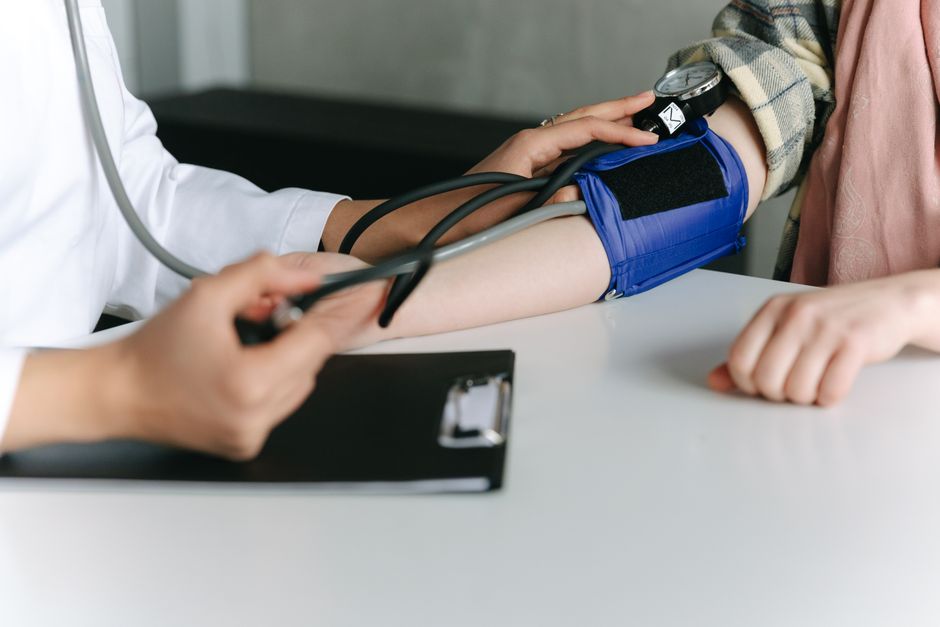
Yes, high blood pressure can cause erectile dysfunction. The link is direct and well-established. High blood pressure damages the inner lining of your blood vessels. This damage narrows the arteries and reduces blood flow throughout your body, including to the penis. For an erection to happen, blood must flow freely into the penis. When that flow is restricted, achieving and maintaining an erection becomes difficult. This is a physical cause of ED, not just a psychological one.
How Does High Blood Pressure Damage Blood Vessels?
Your blood vessels are lined with a thin layer of cells called the endothelium. This layer keeps vessels smooth and flexible. Healthy endothelium allows blood to flow easily and helps vessels widen when needed.
High blood pressure puts constant, excessive force against these vessel walls. Over time, this force causes microscopic tears and damage. The body responds to this damage by forming plaque, a mixture of fat, cholesterol, and other substances. This plaque builds up inside the artery walls.
This process is called atherosclerosis. The arteries become stiffer and narrower. Less blood can pass through them. This reduced blood flow affects every organ in your body, but the penis is especially sensitive to it because erections require a sudden, large increase in blood flow.
What Is the Connection Between Blood Flow and Erections?
An erection is a hydraulic process. Sexual arousal triggers nerve signals that tell the muscles in the penile arteries to relax. This relaxation allows blood to rush in and fill the two chambers of erectile tissue. The expanding tissue compresses the veins that normally drain blood out, trapping it inside. The result is a firm erection.
High blood pressure interferes with this process in two main ways. First, narrowed arteries simply cannot deliver the volume of blood needed to fill the penis quickly. Second, the damaged endothelium produces less nitric oxide. Nitric oxide is the chemical signal that tells those arteries to relax. Without enough of it, the vessels stay partially constricted even during arousal.
This is why ED is often one of the earliest warning signs of cardiovascular disease. The blood vessels in the penis are smaller than those in the heart or brain. They show the effects of vessel damage sooner.
Can High Blood Pressure Cause Ed Even With Medication?
Yes, but the cause may be the medication itself rather than the blood pressure reading. Many common blood pressure medications are known to contribute to ED. These include beta-blockers and certain diuretics.
Beta-blockers work by slowing the heart rate and reducing the force of heart contractions. This lowers blood pressure but also reduces the blood flow available for an erection. Diuretics reduce blood volume by increasing urine output. Less fluid in your system means lower blood pressure, but also less pressure to fill the penile arteries.
This creates a frustrating situation. Untreated high blood pressure damages vessels and causes ED. Some treatments for high blood pressure also cause ED. If you experience this, talk to your doctor. There are alternative medication classes, such as ACE inhibitors and angiotensin receptor blockers, that have a lower risk of causing ED. Never stop taking blood pressure medication on your own. Uncontrolled hypertension is far more dangerous than ED.


Is There a Difference Between Physical and Psychological ED?
Yes, and the distinction matters for treatment. High blood pressure causes physical ED because it is a structural problem with blood vessels. Psychological ED comes from performance anxiety, stress, or depression. These are different mechanisms.
Many men with physical ED develop psychological ED on top of it. The fear of failure during sex creates anxiety. That anxiety triggers a stress response that releases adrenaline and cortisol. These hormones constrict blood vessels further. The physical problem gets worse because of the mental response to it.
Distinguishing between the two is often possible by checking for morning erections. Most men have several erections during REM sleep. These occur without any conscious sexual thought. If you wake up with an erection, your physical plumbing likely works. That points toward a psychological component. If morning erections have stopped completely, the physical vascular damage is more likely the primary cause.
Can Treating High Blood Pressure Reverse ED?
Sometimes, but not always. The reversibility depends on how much permanent damage has been done to the blood vessels. Early-stage vessel damage can improve with blood pressure control. Advanced atherosclerosis with hard plaque is much harder to reverse.
Lifestyle changes can make a significant difference. Regular aerobic exercise improves endothelial function. A diet low in sodium and high in fruits, vegetables, and whole grains reduces blood pressure. Weight loss, especially around the abdomen, improves blood flow. Limiting alcohol and quitting smoking both help because both damage blood vessels directly.
Blood pressure medications that do not cause ED can also help. When blood pressure normalizes, the vessels are under less constant force. This allows the endothelium to begin repairing itself. The improvement may take several months. It does not happen overnight.
What ED Treatments Work for Men With High Blood Pressure?
Several treatment options exist. The most common are oral medications called PDE5 inhibitors. These include sildenafil, tadalafil, vardenafil, and avanafil. They work by blocking an enzyme that breaks down cGMP, a chemical that keeps penile arteries relaxed. This allows more blood to flow into the penis when you are sexually aroused.
These medications do not lower blood pressure significantly on their own. However, they can interact dangerously with nitrates. Nitrates are medications used to treat chest pain, such as nitroglycerin. Combining a PDE5 inhibitor with a nitrate can cause a sudden, dangerous drop in blood pressure. If you take nitrates, you cannot take these ED medications.
Other options include vacuum erection devices, which physically draw blood into the penis. Injectable medications like alprostadil can also be used. These work locally and do not affect blood pressure systemically. Some men benefit from penile implants, which are surgically placed and allow an erection on demand.
When Should You See a Doctor About ED?
See a doctor if ED happens frequently, especially if it comes on suddenly. ED is often an early sign of underlying cardiovascular disease. A sudden onset of ED can indicate a significant blockage in the arteries. This deserves prompt medical evaluation.
Your doctor will likely check your blood pressure, cholesterol, and blood sugar. These are the main risk factors for vascular disease. They may also ask about your medications, sleep habits, and stress levels. Sleep apnea is a common and often overlooked cause of ED because it reduces oxygen levels during sleep and damages vessels over time.
Be honest with your doctor about your symptoms. ED is a medical condition, not a personal failure. It is treatable, and addressing it may uncover other health problems that need attention. Ignoring it does not make it go away. It often gets worse as the underlying vascular damage progresses.
Frequently Asked Questions
Can high blood pressure cause ED even if I feel fine?
Yes. High blood pressure often has no symptoms while it silently damages your blood vessels. ED can be the first visible sign of this damage.
Will losing weight improve ED caused by high blood pressure?
Weight loss often helps. Reducing excess weight lowers blood pressure and improves blood vessel function, which can improve erectile function.
Are ED medications safe for men with high blood pressure?
They are safe for most men with controlled high blood pressure. They are not safe if you take nitrate medications for chest pain.
