
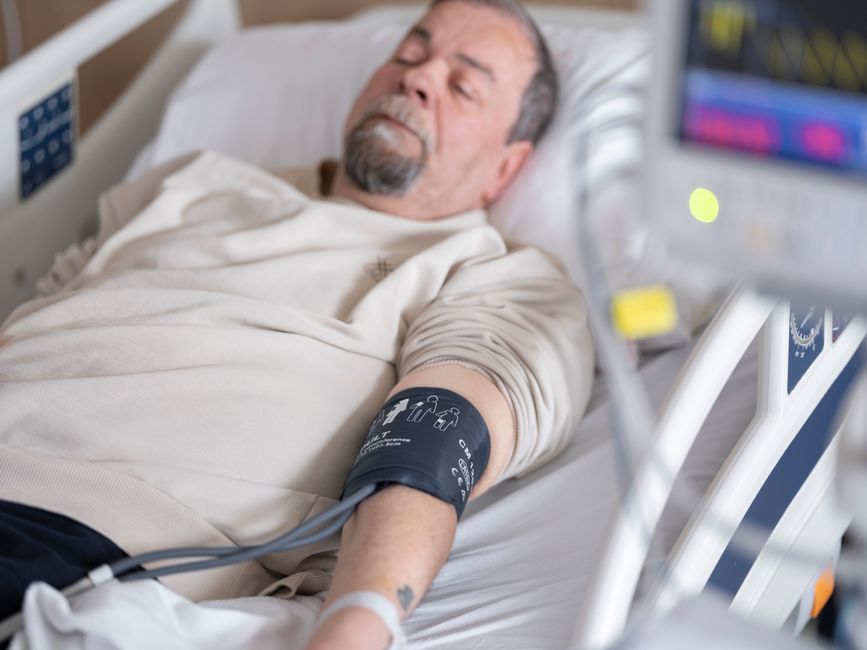
Yes, sleeping can lower your blood pressure. For most people, blood pressure naturally drops by 10% to 20% during deep sleep. This is a normal process called nocturnal dipping. However, the quality and quantity of your sleep matter just as much as the act of sleeping itself. Poor sleep, short sleep, or sleep disorders can keep your blood pressure elevated, which increases your health risks.
How Does Sleep Affect Blood Pressure?
Your body does not stay the same while you sleep. It cycles through different stages, and your cardiovascular system changes with each one. During deep sleep, your heart rate slows down. Your blood vessels relax and widen. This combination causes blood pressure to fall to its lowest point of the day.
This nightly dip is not just a random change. It gives your heart and blood vessels a period of rest. Research consistently shows that people whose blood pressure does not drop at night, known as non-dippers, face a higher risk of heart disease and stroke compared to people who experience a normal dip.
When you wake up, your body releases stress hormones like cortisol and adrenaline. These hormones make your heart beat faster and narrow your blood vessels. This causes blood pressure to rise sharply in the early morning hours. This morning surge is normal, but it is more pronounced in people with high blood pressure.
How Much Does Blood Pressure Drop During Sleep?
The typical drop is between 10% and 20% of your daytime average. For example, if your daytime blood pressure runs around 130/80 mmHg, your nighttime reading might fall to roughly 110/70 mmHg. This range is considered healthy and normal.
Some people experience a smaller drop, around 0% to 10%. This is called a non-dipping pattern. Others may actually have higher blood pressure at night than during the day, which is called reverse dipping. Both patterns are associated with increased cardiovascular risk, though the exact reasons are still being studied.
Your blood pressure also varies throughout the night based on your sleep stage. It tends to be lowest during slow-wave or deep sleep. During REM sleep, when you dream, blood pressure can fluctuate and sometimes spike. These variations are normal and not a cause for concern.
Can Improving Sleep Lower Your Blood Pressure Long Term?
Yes, but the effect depends on the cause of your poor sleep. If you are sleep deprived because you are getting fewer than seven hours of sleep per night, extending your sleep may help. Some research suggests that increasing sleep duration in short sleepers can lead to modest reductions in blood pressure.
If a sleep disorder is the problem, treating it can have a more significant effect. Obstructive sleep apnea is the clearest example. This condition causes your airway to collapse repeatedly during sleep, which interrupts breathing and triggers stress responses. These events spike your blood pressure multiple times per hour.
Treating sleep apnea with continuous positive airway pressure, or CPAP, has been shown to lower blood pressure in many patients. The reduction is modest, typically a few points, but it is meaningful. Some studies indicate that CPAP lowers blood pressure most in people with severe sleep apnea and in those who use the device consistently for most of the night.
Improving sleep hygiene alone will not cure hypertension. But it can be part of a broader approach. The American Heart Association includes healthy sleep as one of its essential factors for cardiovascular health, alongside diet, exercise, and not smoking.




How Much Sleep Do You Need for Healthy Blood Pressure?
Most adults need between seven and nine hours of sleep per night. Getting less than six hours regularly is linked to higher blood pressure. This association is consistent across multiple large studies and different populations.
But duration is not the only factor. Consistency matters. Going to bed and waking up at different times each day can disrupt your body’s internal clock. Irregular sleep schedules are associated with higher blood pressure even when total sleep time is adequate.
Sleep quality also matters. You can spend eight hours in bed and still get poor sleep if you wake frequently or never reach deep sleep stages. Signs of poor sleep quality include waking up tired, needing caffeine to function, and struggling to stay awake during the day.
The relationship between sleep and blood pressure is not just about one night. Chronic short sleep appears to raise average blood pressure over time. If you regularly sleep poorly, your body spends more hours in a state of elevated cardiovascular activity. Over months and years, this can contribute to sustained hypertension.
What Sleep Problems Raise Blood Pressure the Most?
Obstructive sleep apnea is the most well-established sleep disorder linked to high blood pressure. During apnea events, oxygen levels drop and stress hormones surge. This can raise blood pressure both during the night and throughout the following day. It is also a recognized cause of resistant hypertension, which is high blood pressure that does not respond to multiple medications.
Insomnia is another concern. Difficulty falling asleep or staying asleep activates the sympathetic nervous system, which keeps your body in a state of alertness. Over time, this can raise resting blood pressure. The evidence here is somewhat less consistent than for sleep apnea, but several studies have found a link between chronic insomnia and higher blood pressure.
Shift work is a related risk factor. Working at night forces your body to be awake when its internal clock expects sleep. Shift workers have higher rates of hypertension compared to daytime workers, even after accounting for other lifestyle factors. The disruption of circadian rhythms appears to be the underlying cause.
Restless legs syndrome and periodic limb movement disorder can also fragment sleep and prevent deep sleep stages. Whether these conditions independently raise blood pressure is less clear. Some studies suggest an association, but the evidence is not as strong as it is for sleep apnea.
How Do You Know If Your Blood Pressure Is High at Night?
Standard office blood pressure readings only capture a brief moment during the day. They tell you nothing about your nighttime levels. If your doctor suspects your blood pressure is not dipping at night, they may recommend ambulatory blood pressure monitoring. This involves wearing a cuff for 24 hours that automatically takes readings every 20 to 30 minutes, including while you sleep.
Home blood pressure monitoring can also be useful, but it rarely captures nighttime readings. Some newer home devices can measure blood pressure during sleep, but they are not yet standard practice. If you are concerned about nighttime blood pressure, ask your doctor whether ambulatory monitoring is appropriate for you.
This matters because nighttime blood pressure is actually a stronger predictor of cardiovascular events than daytime readings. Some research suggests that nighttime blood pressure predicts heart attack and stroke risk better than clinic measurements. This is why diagnosing non-dipping patterns can be clinically important.
What Else Can You Do to Lower Blood Pressure at Night?
Sleep is not the only factor that affects nighttime blood pressure. Certain medications are designed to be taken at bedtime specifically to control nighttime levels. Your doctor may adjust the timing of your blood pressure medications based on your individual pattern.
Lifestyle habits during the day also influence nighttime blood pressure. Regular aerobic exercise is associated with lower blood pressure both during the day and at night. Limiting alcohol in the evening can prevent alcohol-related blood pressure spikes. Avoiding large meals close to bedtime may also help, though the evidence is less definitive.
Caffeine is worth mentioning specifically. Caffeine can raise blood pressure for several hours after consumption. For people who are sensitive, caffeine consumed even six hours before bedtime can disrupt sleep and potentially affect nighttime blood pressure. Reducing afternoon and evening caffeine intake is a reasonable step, though individual sensitivity varies.
If you have obstructive sleep apnea, using your CPAP device every night is the most effective step you can take. Consistent use is associated with better blood pressure control. If you snore heavily or feel exhausted despite sleeping, ask your doctor about a sleep study. Undiagnosed sleep apnea is common and frequently overlooked as a cause of hypertension.
Frequently Asked Questions
Will sleeping lower your blood pressure immediately?
Yes, blood pressure naturally falls within minutes of falling asleep as your body enters deeper rest stages. The full nighttime dip of 10% to 20% develops over the course of the night.
Can a nap lower your blood pressure?
Some studies suggest that short naps can modestly reduce blood pressure, but the effect is smaller and less consistent than nighttime sleep. A nap is not a substitute for adequate nighttime rest.
Is high blood pressure at night dangerous?
Yes, nighttime blood pressure that stays high is a stronger predictor of heart attack and stroke than daytime readings. If your blood pressure does not dip at night, this pattern is associated with increased cardiovascular risk.
How many hours of sleep do you need to help blood pressure?
Most adults need seven to nine hours per night. Regularly getting fewer than six hours is linked to higher blood pressure and increased cardiovascular risk.
