
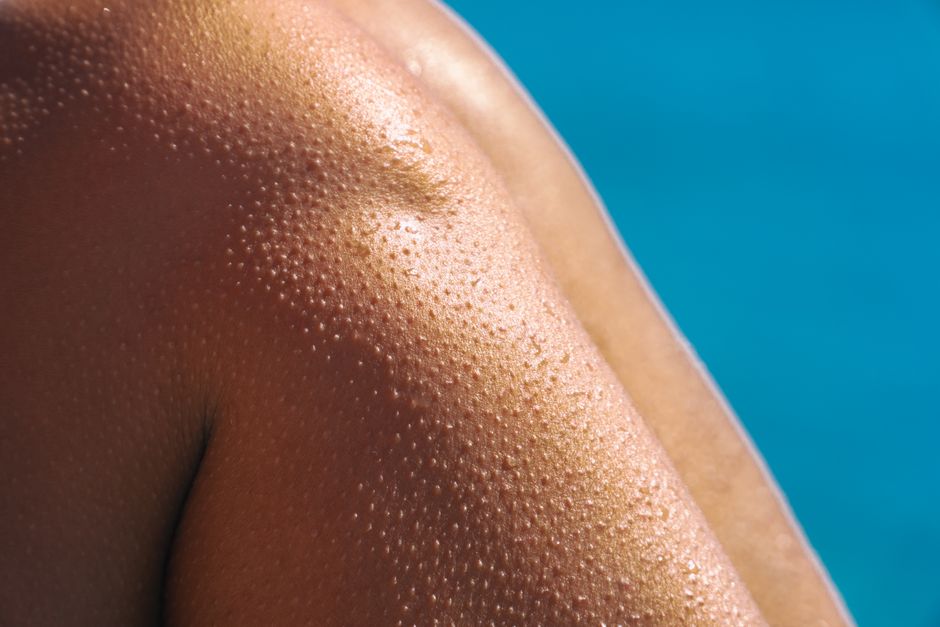
Tanning beds are not safer than the sun — in most ways, they are worse. The UV radiation from a tanning bed can be 10 to 15 times stronger than midday summer sun. That intensity is exactly why the World Health Organization classifies tanning devices as a Group 1 carcinogen, the same category as tobacco and asbestos. If your goal is color, the sun and a tanning bed both damage skin. But the bed does it faster and with more concentrated exposure.
What Makes Tanning Bed UV Different From Sunlight
The sun emits a broad spectrum of UV radiation. Tanning beds are engineered to emit a specific mix, mostly UVA with some UVB. That sounds technical, but the difference matters for your skin.
UVA rays penetrate deeper into the skin than UVB. They reach the dermis, where collagen and elastin live. This is why premature aging — wrinkles, sagging, leathery texture — is so strongly linked to tanning bed use. UVB rays are the main cause of sunburn and play a direct role in skin cancer development. Tanning beds deliver both, but the UVA dose is often several times higher than what you would get from natural sun exposure.
Melanin is your skin’s defense pigment. When UV hits skin, melanin production increases to absorb and scatter the radiation. That is the tan. But the tan itself is a sign of injury, not health. Every session triggers DNA damage in skin cells. Your body repairs some of it. Over time, the repair system can fail, and that failure is the beginning of skin cancer.
Are Tanning Beds Worse Than The Sun for Skin Cancer Risk
Yes. The evidence here is consistent and strong. People who use tanning beds before age 35 have a significantly higher risk of melanoma, the deadliest form of skin cancer. The risk is not just theoretical — it has been confirmed in multiple large studies over decades.
Melanoma is not the only concern. Basal cell carcinoma and squamous cell carcinoma, the two most common skin cancers, are also linked to indoor tanning. Basal cell carcinoma rarely spreads but can be disfiguring. Squamous cell carcinoma can spread if not caught early. Both are far more common than melanoma, and both are directly tied to cumulative UV exposure.
The dose matters. A single tanning session exposes your body to a UV dose that can equal an entire day in the sun. Doing that weekly for months or years stacks damage in a way that natural sun exposure rarely does. The pattern of exposure — frequent, intense, concentrated on the same skin — is exactly the pattern most associated with melanoma risk.
The Eye Damage Risk People Forget
Most people think about skin when they think about tanning beds. But your eyes are just as vulnerable. UV radiation damages the cornea, the lens, and the retina.
Cataracts are the most well-documented eye risk. A cataract is a clouding of the lens that blurs vision and, if severe, causes blindness. UV exposure accelerates cataract formation. Tanning bed users who do not wear protective goggles are exposing their eyes to the same UV intensity that damages their skin.
Photokeratitis is another risk. It is essentially a sunburn of the cornea. Symptoms include pain, redness, blurred vision, and a feeling that something is in your eye. It usually resolves within a day or two, but repeated episodes add up.
Macular degeneration, a leading cause of vision loss in older adults, has also been linked to long-term UV exposure. The retina is at the back of the eye, and UVA penetrates deep enough to reach it. Tanning bed goggles are not optional — they are the only thing protecting your eyes from this concentrated radiation.



How Tanning Beds Age Your Skin Faster Than The Sun
UV exposure is the single largest preventable cause of skin aging. The sun does this over decades. Tanning beds do it in years.
Collagen is the protein that keeps skin firm and smooth. UVA radiation breaks down collagen fibers. Once collagen is destroyed, the skin loses its structure. Wrinkles form. Skin sags. The texture becomes coarse and leathery.
Elastin is the protein that lets skin snap back into place after stretching. UV damages elastin too. When elastin breaks down, skin loses its elasticity — it stays stretched out instead of returning to its original shape. This is why chronic tanners develop deep wrinkles and drooping skin at a younger age than their non-tanning peers.
Age spots, also called solar lentigines, are another sign of UV damage. They appear as flat brown patches on sun-exposed skin. Tanning bed users develop them earlier and in greater numbers. These spots are harmless themselves, but they are visible evidence of accumulated DNA damage.
One important point: tanned skin is not protected skin. A tan provides an SPF of roughly 2 to 4, which is far below the SPF 30 or higher recommended for sun protection. People who tan in a bed often believe they are building a “base tan” that protects them from sunburn. That base tan offers almost no meaningful protection and gives a false sense of security that leads to more sun exposure.
What The Research Actually Shows
The link between tanning beds and skin cancer is not controversial in the medical community. The International Agency for Research on Cancer, part of the World Health Organization, classified tanning devices as carcinogenic to humans in 2009. That classification has not changed.
Some research suggests that indoor tanning before age 35 increases melanoma risk by roughly 60 to 75 percent. Other studies have found similar or higher numbers. The exact figure varies by study design and population, but the direction is consistent: early and frequent indoor tanning raises melanoma risk substantially.
It is not just melanoma. A review of multiple studies found that indoor tanning is associated with a higher risk of squamous cell carcinoma and basal cell carcinoma. The more sessions, the higher the risk. There is no safe number of tanning bed sessions.
Some people argue that tanning beds help produce vitamin D. That is true — UVB exposure triggers vitamin D synthesis in skin. But the risks of UV exposure far outweigh any vitamin D benefit. Safer ways to get vitamin D include dietary sources, supplements, and brief, incidental sun exposure. No dermatology organization recommends tanning beds for vitamin D production.
Are There Any Safe Tanning Bed Alternatives
If you want the look of a tan without UV damage, self-tanners are the safest option. They contain dihydroxyacetone, or DHA, which reacts with amino acids in the top layer of skin to produce a temporary brown color. DHA does not penetrate below the outer skin layer and does not cause DNA damage.
Spray tans work the same way. The color lasts about a week as the outer skin cells naturally shed. Some people are concerned about DHA inhalation during spray tanning, but the evidence for harm is limited. If you are concerned, hold your breath during application or choose a lotion you apply yourself.
Bronzers are another option. These are cosmetics that wash off. They provide instant color that lasts until you shower. They do not tan the skin at all — they simply coat it with color.
Prescription sunless tanners contain a higher concentration of DHA and produce a deeper color. They are available from dermatologists and are still far safer than UV exposure.
None of these alternatives provide real sun protection. If you use a self-tanner, you still need sunscreen when you go outside. The tan is cosmetic color, not protective pigment.
How To Protect Yourself If You Have Used Tanning Beds
If you used tanning beds in the past, you cannot undo that damage. But you can reduce your future risk.
Start with a full-body skin exam by a dermatologist. They are trained to spot suspicious moles and lesions that you might miss. How often you need exams depends on your history, your skin type, and whether you have a family history of skin cancer. Some people need yearly exams. Others need them more often.
Check your own skin monthly. Look for new moles, changing moles, or sores that do not heal. Use the ABCDE rule: asymmetry, irregular borders, uneven color, diameter larger than a pencil eraser, and evolution or change over time. Any of these signs warrants a dermatologist visit.
Protect your skin going forward. Use a broad-spectrum sunscreen with SPF 30 or higher on all exposed skin, even on cloudy days. Reapply every two hours and after swimming or sweating. Wear protective clothing, a wide-brimmed hat, and sunglasses that block UV.
Avoid the sun during peak intensity hours, typically between 10 a.m. and 4 p.m. Seek shade when you can. These habits do not erase past damage, but they stop additional damage from accumulating.
Frequently Asked Questions
Do tanning beds cause more skin cancer than the sun?
Yes. Tanning beds deliver a more concentrated dose of UV radiation than natural sunlight, and that intensity increases skin cancer risk, especially when used before age 35.
Can tanning beds be safe if you do not burn?
No. A tan is itself a sign of DNA damage, even if you never burn. Every session exposes your skin to carcinogenic UV radiation.
Are spray tans a safe alternative to tanning beds?
Yes. Spray tans and self-tanners contain DHA, which colors the outer skin layer without penetrating deeper or damaging DNA.
How long does tanning bed damage take to show?
Skin aging from tanning beds can appear within a few years of regular use, while skin cancer can take a decade or more to develop.
