
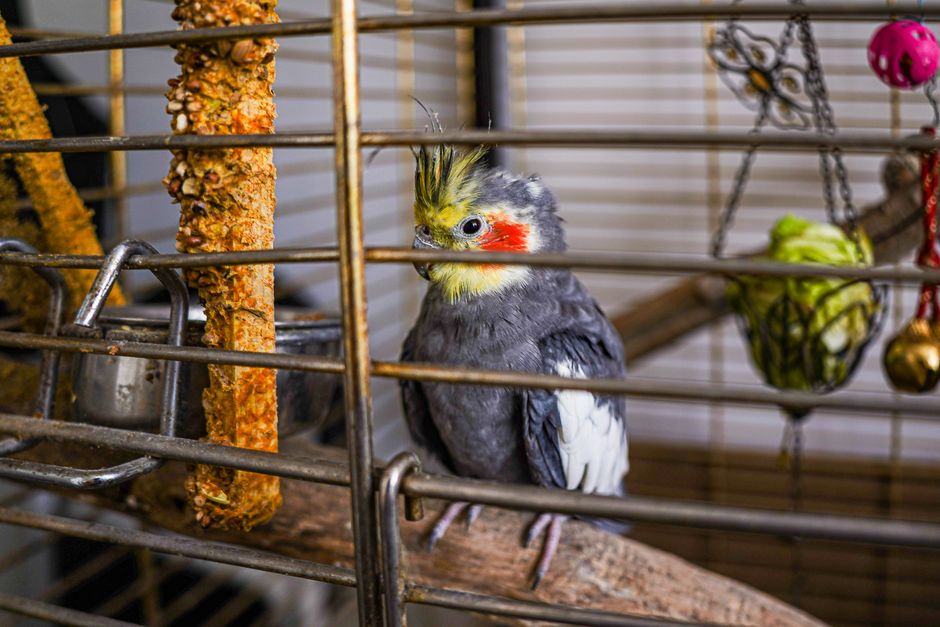
If your cockatiel is biting you, it is not being mean or spiteful. Biting is a form of communication. Your bird is trying to tell you something specific, and the message is usually fear, discomfort, or a request to be left alone. Understanding the specific cause behind the bite is the first and most important step to stopping it. Once you know why your bird is biting, you can address the root cause and build a more trusting relationship.
Why Does My Cockatiel Bite Me? Causes And Fixes
Biting is rarely random. It is a deliberate response to a trigger. Common causes include fear, territorial behavior, hormonal changes, and simple miscommunication. A bird that is scared will bite to defend itself. A bird that is territorial will bite to protect its cage or a favorite person. A bird going through hormonal changes may become more possessive and irritable. Fixing the behavior starts with identifying which trigger applies to your bird in that moment.
Is It a Bite or a Nibble? Understanding Beak Pressure
Cockatiels use their beaks to explore their environment. This is normal behavior. A bird may gently mouth your finger to test its texture or balance. This is not an aggressive bite. It is a curious nibble. An aggressive bite is fast, hard, and often accompanied by other body language signals like hissing, lunging, or pinned eyes.
Learn to tell the difference. A gentle nibble should be ignored or redirected. An aggressive bite requires you to remove your hand and give the bird space. Punishing a bird for a curious nibble can create fear and lead to more aggressive biting later. Recognizing the difference in pressure and intent is key to responding correctly.
Common Causes of Cockatiel Biting
Several distinct situations cause biting. Each one requires a different response. Treating all bites the same way will not work.
Fear and Self-Defense
This is the most common reason a cockatiel bites. A bird that feels trapped or threatened will bite to protect itself. This often happens when you reach into the cage too quickly. It can also happen if you ignore warning signs like hissing or a raised crest. The bird is not trying to hurt you. It is trying to make the scary thing go away.
If fear is the cause, slow down. Move your hands slowly around the bird. Do not force interaction. Let the bird come to you. Building trust takes time and patience. Pushing a scared bird to interact will only reinforce the fear and make the biting worse.
Territorial Behavior
Many cockatiels become protective of their cage. The cage is their safe space. Reaching inside to change food or water can trigger a territorial bite. Some birds also become territorial over a specific person or a favorite perch. They may bite others who come too close.
For cage territoriality, use a perch or a treat to encourage the bird to step out before you put your hand inside. This removes you from its territory. For person territoriality, the bonded person should be the one to manage interactions and gradually teach the bird that other people are safe.
Hormonal Changes and Breeding Season
Hormones can change a cockatiel’s personality. During breeding season, birds can become more aggressive, possessive, and protective. This is a natural biological drive. A normally sweet bird may suddenly bite to defend its chosen nesting spot or its bonded mate. This behavior is often temporary and passes when hormone levels drop.
Managing hormones involves reducing triggers that stimulate breeding behavior. This includes limiting daylight hours, removing nesting materials, and avoiding excessive petting that can be interpreted as mating behavior. Focus petting on the head and neck only, not the back or under the wings.
Miscommunication and Lack of Socialization
Sometimes the bird is trying to tell you to stop. You may be petting it in a way it dislikes, or you may be holding it when it wants to go back to its cage. If you ignore the bird’s subtle signals of discomfort, it will escalate to a bite to get your attention.
Birds that were not handled regularly as babies may also bite more often. They never learned that human hands are safe. With patient, consistent training, these birds can learn to trust, but it takes more time than with a well-socialized bird.




How to Stop the Biting: Practical Training Steps
Stopping the biting requires changing your behavior as much as changing the bird’s. The goal is to teach the bird that biting does not get it what it wants.
- Do not react. If the bite is not severe, do not yell or pull away quickly. A reaction can be rewarding for an attention-seeking bird. A calm, neutral response is better.
- Set the bird down. If the bird bites while on your hand, calmly and gently place it down on a perch or its cage. This teaches the bird that biting ends the interaction.
- Use the “step-up” command. Teach your bird to step onto your finger on command. This gives you a safe way to move the bird without grabbing it.
- Read body language. Learn the signs of an impending bite. A hissing bird, a bird with a raised crest, or a bird that is leaning away is telling you to stop. Listen to it.
- Use target training. Teach the bird to touch a stick or a target with its beak. This redirects the beak’s attention away from your fingers and gives you a positive training tool.
What Not to Do When Your Cockatiel Bites
Certain responses will make the problem worse. Avoid these common mistakes.
Never hit or flick your bird. This will destroy trust and make the bird more fearful and defensive. Never yell at the bird. This is frightening and does not teach the bird anything useful. Do not blow on the bird’s face. This is a common suggestion, but it can be distressing to the bird. Do not put the bird in its cage as a punishment. The cage should be a safe place, not a place of punishment.
One of the biggest mistakes is forcing interaction after a bite. If your bird just bit you, it is telling you it needs space. Respect that. Trying to handle the bird immediately after a bite teaches it that biting does not make you go away. This can lead to more intense biting.
When Is Biting a Sign of a Health Problem?
Sometimes a sudden change in behavior, including biting, can signal an underlying health issue. A bird that is in pain may bite because it does not want to be touched. This is a protective response. If your normally gentle cockatiel suddenly starts biting for no apparent reason, a veterinary check-up is a wise step.
Illness in birds is often hidden. They are prey animals and will hide weakness. A change in temperament can be one of the few visible signs that something is wrong. If the biting is accompanied by other changes like fluffed feathers, reduced appetite, or a change in droppings, see an avian veterinarian promptly.
Rebuilding Trust After Biting Incidents
After a biting incident, the relationship needs to be repaired. The bird needs to learn that you are safe. This is best done through positive interactions that do not involve handling.
Sit near the cage and talk softly. Offer a favorite treat through the bars. Let the bird set the pace. When the bird is comfortable with your presence, you can begin offering treats from your open hand. Only when the bird is relaxed with this should you attempt to handle it again. Each positive interaction builds on the last one, and trust is rebuilt gradually.
Frequently Asked Questions
Why does my cockatiel bite me when I put my hand in the cage?
Your cockatiel is likely defending its territory, as the cage is its safe space. Try using a perch or offering a treat to encourage the bird to step out before you reach inside.
Does my cockatiel bite me because it is angry?
No, biting is not about anger; it is a form of communication, usually expressing fear, discomfort, or a need for space. Understanding the specific trigger is the key to resolving it.
How long does it take to stop a cockatiel from biting?
The timeline varies greatly depending on the cause and the bird’s history, ranging from weeks to several months. Consistency and patience with positive training methods are the most important factors for success.
Is it okay to punish my cockatiel for biting?
No, punishment like hitting, yelling, or confining the bird is harmful and will worsen the behavior. It breaks trust and increases fear, making future bites more likely.
