
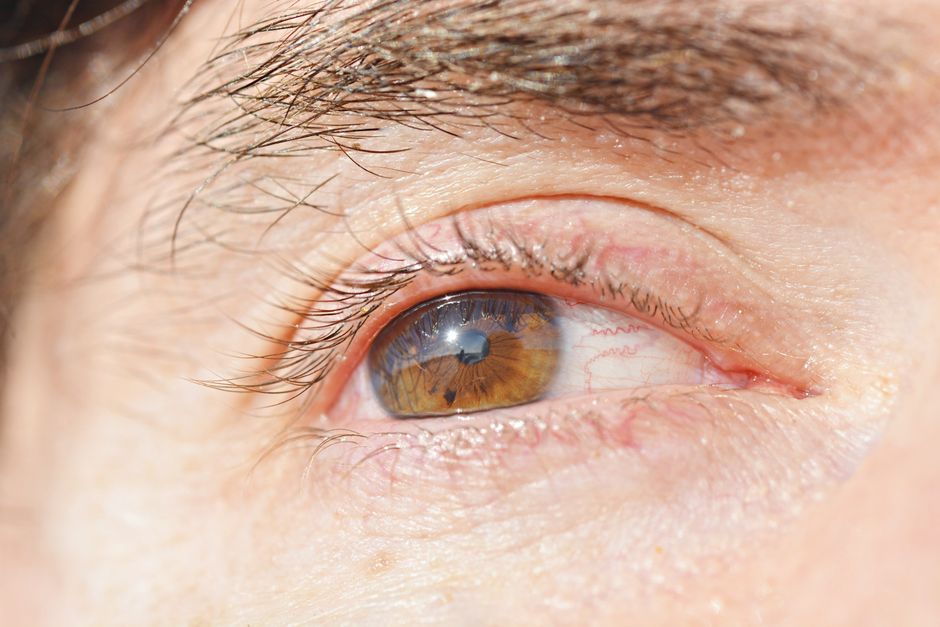
The white part of your eye turning yellow is called scleral icterus, and it is a classic sign of jaundice. Jaundice happens when bilirubin, a yellow waste product from broken-down red blood cells, builds up in your blood and tissues. The sclera is often the first place this yellow tint becomes visible, so noticing it is a clear signal that something in your liver, gallbladder, or blood needs medical attention.
What Exactly Causes The Yellow Color?
Your body constantly recycles old red blood cells. When they break down, they release hemoglobin, which converts into bilirubin. This bilirubin travels to the liver, where it is processed and removed through bile and stool.
When that system works correctly, bilirubin levels stay low. When it does not, bilirubin accumulates in the bloodstream. Because the sclera has a high concentration of elastin, it binds to bilirubin easily, which is why the eyes show yellowing before the skin does in many cases.
This is not a cosmetic issue. Yellow sclera means the bilirubin level in your blood is elevated, and the underlying reason needs to be identified.
Why Is My Sclera Yellow Causes Of Jaundice: The Three Main Types
Jaundice is generally grouped into three categories based on where the problem occurs. Understanding these helps explain why your eyes turned yellow.
Pre-hepatic jaundice happens before the liver gets involved. This occurs when red blood cells are destroyed too quickly, overwhelming the liver’s ability to process the bilirubin. The liver is healthy, but it simply cannot keep up with the excess workload.
Hepatic jaundice means the liver itself cannot process bilirubin properly. Liver cells may be damaged, inflamed, or failing. This is the most common category and includes conditions like viral hepatitis, alcoholic liver disease, and cirrhosis.
Post-hepatic jaundice occurs when bilirubin has been processed by the liver but cannot exit the body. This usually means a blockage in the bile ducts, often caused by gallstones or tumors in the pancreas or bile duct system.
Each type has different implications, and your doctor will run specific blood tests to determine which one applies to you.
Common Liver And Gallbladder Conditions Behind Yellow Eyes
Several specific conditions can trigger the bilirubin buildup that yellows your sclera. Some are acute and resolve quickly. Others are chronic and require long-term management.
Viral hepatitis is a leading cause. Hepatitis A, B, and C all inflame the liver. Hepatitis A usually comes from contaminated food or water and often resolves on its own. Hepatitis B and C can become chronic and cause lasting liver damage.
Alcohol-related liver disease develops after years of heavy drinking. It progresses through fatty liver, alcoholic hepatitis, and eventually cirrhosis. Jaundice often appears in the later stages.
Cirrhosis is the scarring of liver tissue. Any condition that damages the liver long-term can lead to cirrhosis. Once significant scarring occurs, the liver cannot regenerate or function normally, and bilirubin processing slows dramatically.
Gallstones can block the common bile duct. When bile cannot flow out of the liver, bilirubin backs up into the blood. This often comes with pain in the upper right abdomen and dark urine.
Pancreatic cancer can also block the bile duct. This is less common but serious. Jaundice in this case may appear without pain, which is why any new yellowing warrants prompt evaluation.




Blood Disorders That Cause Yellow Sclera
Not all jaundice starts in the liver. Some blood conditions cause excessive red blood cell destruction, flooding the system with more bilirubin than the liver can handle.
Sickle cell disease causes red blood cells to be misshapen and fragile. They break down faster than normal, producing chronic mild jaundice in many patients. Acute episodes can cause sudden worsening.
Hemolytic anemia is a broader category where red blood cells are destroyed prematurely. This can be inherited or acquired. Besides yellow eyes, symptoms include fatigue, pale skin, and shortness of breath.
Glucose-6-phosphate dehydrogenase deficiency, often called G6PD deficiency, is an inherited condition. Certain foods, medications, or infections can trigger rapid red blood cell breakdown, causing a sudden yellowing of the eyes.
If your doctor suspects a blood disorder, a complete blood count and a test called a peripheral blood smear can help identify the problem.
When Yellow Eyes Are Not Jaundice
Sometimes the sclera looks yellow but bilirubin levels are completely normal. This is an important distinction because the treatment is entirely different.
Pinguecula is a common growth on the conjunctiva, the clear membrane covering the sclera. It appears as a yellowish bump and is caused by UV exposure and dry eyes. It does not affect vision and usually requires no treatment.
Pterygium is similar but can grow onto the cornea. It may appear yellowish or fleshy and can eventually affect vision if it grows large enough.
Subconjunctival hemorrhage can leave a red or sometimes yellowish patch as the blood breaks down and resolves. This looks alarming but is usually harmless.
Eye drops containing certain medications can also stain the sclera. If your eye doctor sees a yellow spot but your blood work is normal, these benign conditions are the likely explanation.
Other Signs That Accompany Yellow Sclera
Jaundice rarely appears alone. Pay attention to what else your body is telling you. These accompanying signs help your doctor narrow down the cause.
Dark urine often appears before the eyes turn yellow. Excess bilirubin exits through the kidneys, turning urine a tea or cola color.
Pale or clay-colored stool means bile is not reaching the intestines. This strongly suggests a blockage in the bile ducts.
Itchy skin occurs when bile salts accumulate under the skin. This can be intense and is common with bile duct obstruction.
Abdominal pain in the upper right side points toward the liver or gallbladder. Painless jaundice is more concerning for certain cancers.
Fatigue, nausea, and loss of appetite are nonspecific but common with liver inflammation.
Fever with jaundice may indicate an infection of the bile ducts, which is a medical emergency.
When To Seek Emergency Care
Yellow sclera always warrants a medical evaluation, but some situations require immediate attention. Do not wait for a regular appointment if you experience any of the following.
Severe abdominal pain with jaundice can indicate a blocked bile duct or acute inflammation of the gallbladder or pancreas. This requires urgent evaluation.
Confusion, drowsiness, or altered mental status with jaundice may signal hepatic encephalopathy. This occurs when the liver fails to filter toxins from the blood, and it is a medical emergency.
Bleeding or easy bruising with jaundice suggests the liver is not producing clotting factors. This indicates advanced liver failure.
Vomiting blood or passing black, tarry stool points to bleeding in the upper digestive tract, often from enlarged veins in the esophagus caused by liver disease.
If you have any of these symptoms, go to an emergency department immediately.
How Doctors Diagnose The Cause
Finding out why your sclera is yellow involves a systematic approach. The process is straightforward and usually quick.
Your doctor will start with a physical exam and a detailed history. Questions about alcohol use, medications, family history, and recent travel can provide important clues.
Blood tests are the next step. A liver panel measures enzymes like ALT and AST, which indicate liver cell damage. It also measures bilirubin directly, both total and direct forms.
A complete blood count checks for anemia and signs of red blood cell destruction. If hemolysis is suspected, additional tests like haptoglobin and LDH are ordered.
Imaging studies help visualize the liver, gallbladder, and bile ducts. An ultrasound is usually the first test because it is fast, safe, and effective at detecting gallstones and bile duct dilation.
In some cases, a CT scan or MRI provides more detail. If a bile duct blockage is confirmed, a procedure called ERCP can both diagnose and treat the problem by removing stones or placing a stent.
Treatment Depends Entirely On The Cause
There is no single treatment for yellow sclera. The approach depends completely on what is causing the bilirubin buildup.
For viral hepatitis A, supportive care is usually all that is needed. Rest, hydration, and avoiding alcohol allow the liver to recover on its own.
For hepatitis B and C, antiviral medications can control the infection and prevent progression to cirrhosis. These treatments have improved dramatically in recent years.
For alcohol-related liver disease, stopping alcohol completely is essential. Even then, damage may be irreversible if cirrhosis has developed.
For gallstones blocking the bile duct, procedures to remove the stones or surgically remove the gallbladder are standard. This often resolves jaundice quickly.
For hemolytic conditions, treating the underlying blood disorder is the priority. This may involve medications, blood transfusions, or avoiding known triggers.
For medication-induced liver injury, stopping the offending drug usually allows the liver to recover. This is why reviewing all medications, including supplements, is critical.
Your doctor will tailor the plan to your specific diagnosis. Do not attempt to treat jaundice at home with supplements or detoxes. These are not supported by evidence and can worsen liver damage.
Frequently Asked Questions
Can yellow eyes go away on their own?
They can if the underlying cause resolves, such as a mild hepatitis A infection. But you should never wait to see if it clears because some causes require urgent treatment.
Is yellow sclera always a sign of liver disease?
No. Blood disorders that destroy red blood cells too quickly can also cause it, and benign eye growths like pinguecula can look yellow without any bilirubin elevation.
How long does it take for yellow eyes to return to normal?
It depends entirely on the cause. Once the underlying condition is treated, bilirubin levels usually drop within days to weeks, and the sclera color follows.
Can stress cause yellow eyes?
Stress alone does not cause jaundice. However, stress can worsen existing liver conditions or trigger episodes in people with certain blood disorders like G6PD deficiency.
