
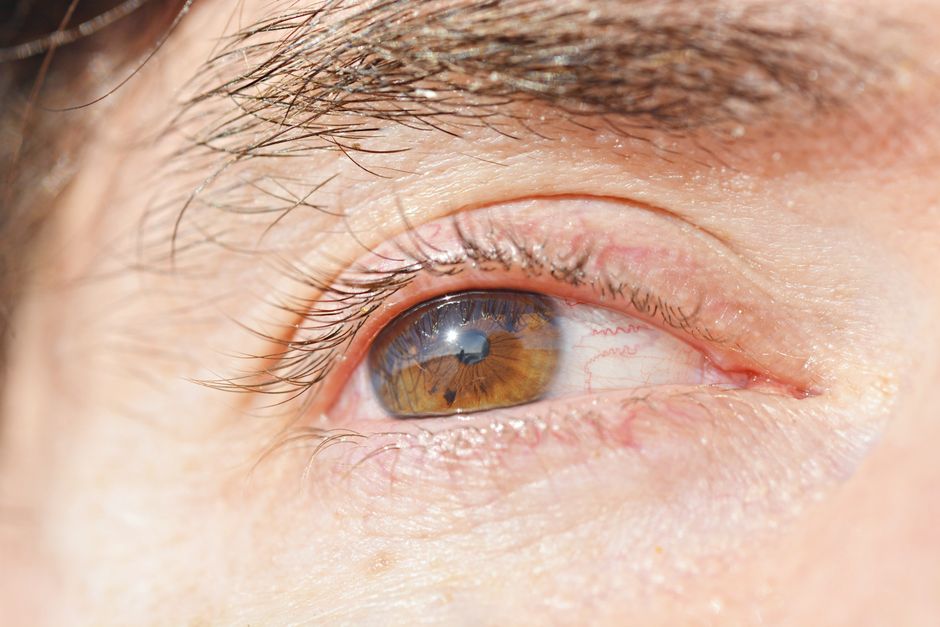
Blurry vision, eye strain, and trouble seeing at night are common complaints as people get older. But sudden or rapid vision changes are not a normal part of aging. If your vision is getting worse, the cause could be simple—like needing a new glasses prescription—or it could signal an underlying health condition that needs medical attention. The most important step is knowing the difference between gradual age-related changes and symptoms that require prompt evaluation.
Why Is My Vision Getting Worse?
Vision changes happen for many reasons, and age is the most common factor. The lens of the eye naturally becomes less flexible over time, making it harder to focus on close objects. This condition, called presbyopia, typically begins around age 40 and affects nearly everyone to some degree.
Other causes include refractive errors like nearsightedness, farsightedness, and astigmatism. These occur when the shape of the eye prevents light from focusing directly on the retina. They can shift over time, which is why your prescription may change at different stages of life.
More serious causes include cataracts, glaucoma, macular degeneration, and diabetic retinopathy. These conditions damage the structures of the eye itself. They are more common after age 50 and require professional diagnosis and treatment.
Sudden vision loss, double vision, or flashes of light are different. These symptoms require urgent medical evaluation because they can signal retinal detachment, stroke, or other emergency conditions.
What Are the Most Common Causes of Worsening Vision?
Refractive errors are the most common reason people notice their vision changing. The eye’s ability to focus depends on the cornea, lens, and eyeball length working together. When these change, your vision blurs.
Presbyopia is the age-related loss of near vision. It happens because the lens loses elasticity and can no longer change shape easily to focus on close objects. Most people notice this when they start holding books or phones farther away to read them.
Cataracts cause the lens to become cloudy. This makes vision look foggy or hazy, like looking through a dirty windshield. Cataracts are extremely common in older adults and are the leading cause of vision loss worldwide.
Glaucoma damages the optic nerve, usually because of increased pressure inside the eye. It often has no early symptoms. Peripheral vision is typically affected first, and the damage cannot be reversed once it occurs.
Age-related macular degeneration affects the macula, the central part of the retina responsible for sharp, detailed vision. It makes reading, recognizing faces, and seeing fine details difficult while peripheral vision remains intact.
Diabetic retinopathy damages the blood vessels in the retina. It occurs in people with diabetes and can cause bleeding, swelling, and vision loss if blood sugar is not well controlled.
When Should Sudden Vision Changes Be Treated as an Emergency?
Some vision changes require immediate medical attention. Do not wait to see if they improve on their own.
Seek emergency care if you experience any of the following:
- Sudden loss of vision in one or both eyes
- Sudden blurred vision that does not clear with blinking
- Flashes of light or a sudden increase in floaters
- A dark curtain or shadow across part of your vision
- Double vision
- Eye pain with redness, nausea, or vomiting
These symptoms can indicate retinal detachment, acute angle-closure glaucoma, stroke, or other conditions that cause permanent damage if treatment is delayed. Retinal detachment is a medical emergency. The retina separates from the back of the eye, and without prompt surgery, vision loss can be permanent.
A sudden loss of vision in one eye can also be a sign of a transient ischemic attack or stroke affecting the blood supply to the eye. This requires immediate evaluation in an emergency department.




Can Digital Eye Strain Make My Vision Worse?
Digital eye strain, also called computer vision syndrome, causes temporary symptoms like blurred vision, dry eyes, and headaches. It happens when you stare at screens for long periods without taking breaks.
Screen use reduces how often you blink. Normal blinking spreads tears across the eye to keep it moist. When you blink less, the eye surface dries out, which causes blurring and discomfort.
Digital eye strain does not cause permanent damage to the eye. The blurriness resolves when you rest your eyes or use lubricating drops. However, the symptoms can make it feel like your vision is getting worse when it is not.
If your vision stays blurry after resting your eyes, the cause is not eye strain alone. You may need a new prescription or an eye health evaluation.
How Do Chronic Health Conditions Affect Vision?
Diabetes is one of the most significant health conditions affecting vision. High blood sugar damages the small blood vessels in the retina over time. This damage can cause them to leak fluid or blood, leading to swelling and blurred vision. Uncontrolled diabetes can also cause new, abnormal blood vessels to grow on the retina, which are fragile and prone to bleeding.
High blood pressure can also damage the blood vessels in the retina. This condition, called hypertensive retinopathy, can cause vision changes and is a sign that blood pressure control needs attention.
Autoimmune conditions like multiple sclerosis and lupus can affect vision as well. Optic neuritis, inflammation of the optic nerve, is often one of the first symptoms of multiple sclerosis. It causes pain with eye movement and blurred vision, typically in one eye.
Thyroid disease, particularly Graves’ disease, can affect the muscles and tissues around the eyes. This can cause bulging eyes, double vision, and pressure on the optic nerve.
Managing these underlying conditions is the most effective way to protect your vision. Regular eye exams can detect early signs of damage before you notice symptoms.
What Lifestyle Factors Contribute to Vision Decline?
Smoking is one of the strongest lifestyle risk factors for vision loss. It increases the risk of cataracts and age-related macular degeneration. The toxins in cigarette smoke damage the blood vessels in the eye and reduce antioxidant levels that protect the retina.
Poor nutrition can contribute to eye disease. Diets low in antioxidants, lutein, zeaxanthin, and omega-3 fatty acids may increase the risk of macular degeneration, though the evidence for prevention through supplements is mixed. A balanced diet with leafy greens, colorful vegetables, and fish supports overall eye health.
Excess weight increases the risk of diabetes and high blood pressure, both of which threaten vision. Maintaining a healthy weight reduces this risk.
Unprotected sun exposure may accelerate cataract formation. Ultraviolet light damages the proteins in the lens over time. Wearing sunglasses that block UV rays when outdoors is a simple protective measure.
Alcohol consumption can cause temporary vision changes and, in heavy use, can lead to nutritional deficiencies that affect the optic nerve.
How Often Should Adults Get Eye Exams?
Adults with no known eye problems should have a comprehensive eye exam every one to two years. People over age 60 should have one every year because the risk of cataracts, glaucoma, and macular degeneration increases significantly with age.
People with diabetes should have a dilated eye exam at least once a year. This allows the doctor to examine the retina for early signs of diabetic retinopathy. More frequent exams may be needed if retinopathy is already present.
People with a family history of glaucoma or macular degeneration may need more frequent exams. Your eye doctor can recommend a schedule based on your specific risk factors.
A comprehensive eye exam includes more than checking your prescription. The doctor dilates your pupils to examine the retina and optic nerve, measures eye pressure, and checks for signs of disease. These tests can detect conditions like glaucoma and diabetic retinopathy years before you notice symptoms.
What Should I Do If I Notice My Vision Getting Worse?
Schedule an eye exam. This is the only way to know the cause of your vision changes.
Do not assume your vision problems are just a normal part of aging. Many conditions that cause vision loss are treatable when caught early. Glaucoma, for example, can be managed with eye drops to lower pressure and slow nerve damage. Macular degeneration has treatments that can slow progression. Cataracts can be removed with surgery.
If you wear glasses or contact lenses, an outdated prescription can cause blurry vision and eye strain. A simple refraction test will determine if your prescription needs updating.
If you have diabetes, check your blood sugar control. Persistent high blood sugar can cause temporary lens swelling that changes your prescription. Once blood sugar stabilizes, your vision may improve.
Do not try to self-diagnose or self-treat vision problems. Over-the-counter reading glasses are not a substitute for a proper eye exam. They do not address the underlying cause of your vision changes and can cause headaches and eye strain if they do not match your actual prescription.
Frequently Asked Questions
Why is my vision getting worse even with glasses?
Your prescription may have changed, or you may be developing an eye condition like cataracts or glaucoma that glasses cannot correct. An eye exam is needed to determine the cause.
Can vision loss from aging be reversed?
Some causes, like cataracts, can be reversed with surgery. Others, like glaucoma and macular degeneration, cause permanent damage that cannot be reversed but can be slowed with treatment.
What causes sudden blurred vision in one eye?
Sudden blurred vision in one eye can indicate a retinal problem, optic nerve issue, or reduced blood flow to the eye. This requires immediate medical evaluation.
