
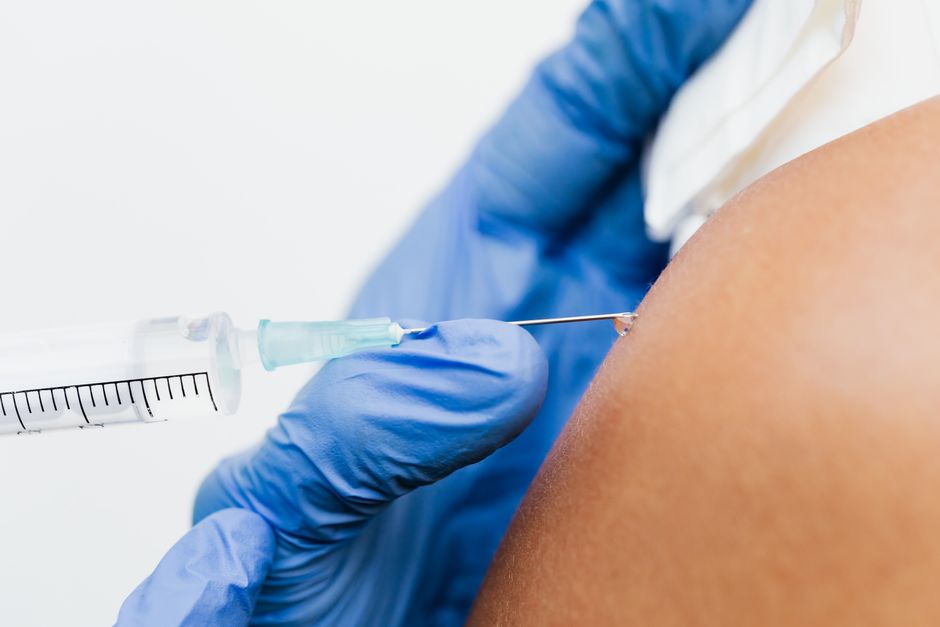
RSV vaccines are safe for most people, but they are not for everyone. The CDC recommends RSV vaccination for all adults ages 75 and older, and for adults ages 60-74 who have certain chronic medical conditions or who live in nursing homes. People with a history of severe allergic reaction to a previous RSV vaccine dose or to any vaccine component should not get it, and pregnant people should only receive the specific RSV vaccine approved for use during pregnancy. Like all vaccines, RSV shots carry some risk of side effects, but serious reactions are rare.
What Is The RSV Vaccine And How Does It Work?
RSV stands for respiratory syncytial virus. It is a common respiratory virus that usually causes mild cold-like symptoms. But in older adults and young infants, it can lead to severe illness. RSV can cause pneumonia and bronchiolitis, which is inflammation of the small airways in the lungs.
The RSV vaccine trains your immune system to recognize the virus. If you are later exposed to RSV, your body can fight it off more quickly. This reduces your chance of severe illness, hospitalization, and death.
There is no live virus in the RSV vaccines currently approved in the United States. You cannot get RSV from the vaccine.
Who Is The RSV Vaccine Recommended For?
Current guidance recommends RSV vaccination for specific groups of people. These recommendations are based on large clinical trials and ongoing safety monitoring.
Adults ages 75 and older should get a single dose of the RSV vaccine. The risk of severe RSV disease increases with age, and this group benefits most from vaccination.
Adults ages 60 to 74 should get the vaccine if they have certain chronic medical conditions. These include chronic heart or lung disease, diabetes, kidney disorders, liver disorders, and weakened immune systems. Adults in this age group who live in nursing homes or other long-term care facilities should also get vaccinated.
Pregnant people can get an RSV vaccine during weeks 32 through 36 of pregnancy. This protects the newborn baby from severe RSV during the first months of life. Only one specific RSV vaccine is approved for use during pregnancy. The vaccines approved for older adults are not approved for pregnant people.
Infants and some young children can receive a preventive antibody shot called nirsevimab. This is not a vaccine. It is a lab-made antibody that provides immediate protection against RSV. It is recommended for infants younger than 8 months entering their first RSV season and for some high-risk children up to 24 months.
What Are The Common Side Effects Of The RSV Vaccine?
Most side effects are mild and go away within a few days. They are similar to side effects seen with other adult vaccines.
Common side effects include:
- Pain, redness, or swelling at the injection site
- Fatigue
- Headache
- Muscle or joint pain
- Nausea
- Mild fever
These reactions mean your immune system is responding to the vaccine. They are not signs of illness.
Serious side effects are rare. The most notable concern identified in clinical trials was a small number of cases of Guillain-Barré syndrome, a rare neurological condition. In one vaccine trial, there were more cases of Guillain-Barré syndrome among vaccinated participants than among those who received a placebo. The overall number was very small, but it was enough for regulators to require a warning label.
The CDC and FDA continue to monitor this closely. Data from real-world use has not shown a clear increase in Guillain-Barré syndrome beyond what was seen in the trials, but monitoring is ongoing.



Who Should Not Get The RSV Vaccine?
Some people should not receive an RSV vaccine. The guidance is clear on these groups.
Anyone who has had a severe allergic reaction to a previous dose of an RSV vaccine should not get another dose. Anyone with a known severe allergy to any ingredient in the vaccine should not get it.
People who are moderately or severely ill with a fever should wait until they recover. This is a general precaution for all vaccines, not an RSV-specific concern. If you have a mild illness such as a common cold, you can still get vaccinated.
People with a history of Guillain-Barré syndrome should discuss vaccination with their doctor. Current guidance does not prohibit vaccination for this group, but the history should be reviewed carefully. Some clinicians may recommend against it, given the rare association seen in trials.
People who are immunocompromised should talk to their doctor before getting the vaccine. The vaccine is not necessarily unsafe for them, but their immune response may be weaker. In some cases, the vaccine may still offer meaningful protection.
Is The RSV Vaccine Safe For Pregnant People?
One RSV vaccine is approved for use during pregnancy. It is given between 32 and 36 weeks of gestation. It is not the same vaccine given to older adults.
Clinical trials in pregnant people showed the vaccine was safe for both the mother and the baby. The most common side effects were injection site pain, headache, and muscle pain. These were similar to other vaccines given during pregnancy.
The vaccine works by stimulating the mother’s immune system to produce antibodies. These antibodies cross the placenta and give the newborn protection against RSV. This protection is important because babies under 6 months have the highest risk of severe RSV.
Pregnant people should not receive the RSV vaccine formulations approved for older adults. Those vaccines have not been studied in pregnancy and are not approved for that use.
If you are pregnant and have questions about RSV vaccination, talk to your obstetrician. They can help you understand the timing and the specific vaccine recommended for pregnancy.
What Are The Rare But Serious Risks?
Guillain-Barré syndrome is the most discussed serious risk associated with RSV vaccines. It is a rare condition in which the immune system attacks the nerves. It can cause weakness, sometimes severe, and in rare cases can lead to paralysis.
In one large clinical trial of an RSV vaccine for older adults, there were several confirmed cases of Guillain-Barré syndrome among vaccinated participants. The FDA required a warning about this risk. The number of cases was small, but it was a real signal.
Because of this, the CDC and FDA recommend that people with a history of Guillain-Barré syndrome discuss the risks and benefits with their doctor before getting an RSV vaccine.
Another rare risk is a severe allergic reaction called anaphylaxis. This can happen with any vaccine. That is why vaccine providers ask about allergy history and observe people for a short time after vaccination.
It is important to put these risks in perspective. Severe RSV disease in older adults causes tens of thousands of hospitalizations each year in the United States. The risk of a serious vaccine reaction is far lower than the risk of severe RSV for the people in the recommended groups.
Does The RSV Vaccine Interact With Other Vaccines?
The RSV vaccine can be given at the same time as other vaccines. Studies have shown that giving it alongside flu, COVID-19, or Tdap vaccines does not reduce effectiveness or increase side effects in a meaningful way.
Some people report more injection site reactions when vaccines are given together. This is expected and not dangerous.
If you are due for several vaccines, there is no required waiting period between them. Your doctor or pharmacist can help you plan the timing.
How Long Does Protection Last?
RSV vaccines provide strong protection initially. The duration of protection is still being studied.
Current evidence suggests that a single dose provides good protection for at least two RSV seasons. Some research suggests protection may wane after that. Whether additional doses will be recommended in the future is not yet determined.
RSV season in the United States typically runs from late fall through early spring. The vaccine is usually given in late summer or early fall, before the season begins. However, in many areas, vaccination is available year-round if you qualify.
Is The RSV Vaccine Covered By Insurance?
RSV vaccines are covered by Medicare Part D for adults who qualify. Most private insurance plans also cover the vaccine for people who meet the CDC recommendations, with no copay.
Medicaid coverage varies by state. In most states, the vaccine is covered for adults who meet the recommendations.
If you are unsure about coverage, call your insurance company before your appointment. Pharmacies can also check your coverage for you. If you do not have insurance, the vaccine may be available at a reduced cost through federal programs.
Frequently Asked Questions
Can I get the RSV vaccine if I have a weakened immune system?
Yes, you can, but you should talk to your doctor first. Your immune response may be weaker, but the vaccine may still provide some protection.
Is the RSV vaccine safe for people over 85?
Yes. Adults 75 and older are strongly recommended to get the RSV vaccine. Age alone is not a reason to avoid it.
Can you get RSV from the vaccine?
No. The RSV vaccines approved in the United States do not contain live virus. You cannot get RSV from the shot.
Do I need an RSV vaccine every year?
No. Current guidance recommends a single dose. Whether annual revaccination will be needed is still being studied.
