
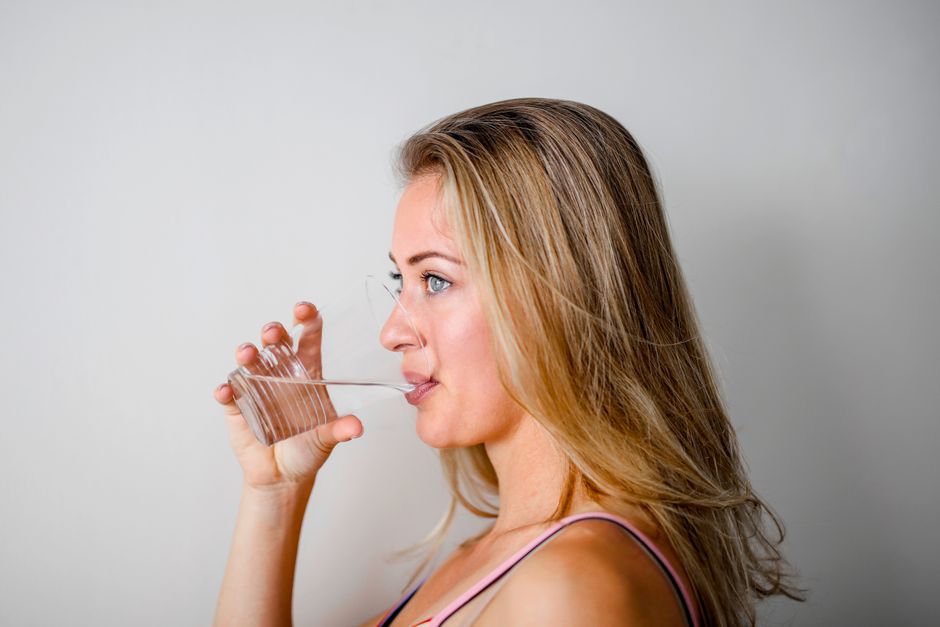
No, drinking water does not make diarrhea worse. In fact, water is essential when you have diarrhea because the condition causes your body to lose significant amounts of fluid. The real risk with diarrhea is dehydration, and replacing lost fluids is the single most important step you can take. However, not all fluids are equal, and while plain water is necessary, it may not be enough on its own to fully replace the electrolytes your body is losing.
Why Water Is Critical When You Have Diarrhea
Diarrhea speeds up the movement of food and waste through your intestines. This rapid transit prevents your colon from absorbing water back into your body the way it normally does. The result is that your body pushes out far more water than usual, along with essential minerals called electrolytes.
Electrolytes include sodium, potassium, and chloride. These minerals regulate nerve function, muscle contraction, and fluid balance. When you lose them rapidly through diarrhea, your body cannot function normally. This is why dehydration is the most common complication of diarrhea, especially in young children and older adults.
Drinking water helps replace the fluid volume you are losing. Without it, your blood volume drops, your blood pressure can fall, and your organs may not receive enough blood flow. Severe dehydration is a medical emergency that can lead to kidney failure, seizures, and even death if untreated.
What the Research Shows About Fluids and Diarrhea
Clinical guidelines from major health organizations worldwide consistently recommend fluid replacement as the first-line treatment for diarrhea. This is not a debated topic in medicine. Oral rehydration therapy, which uses a specific balance of water, salt, and sugar, has been used successfully for decades and is credited with saving millions of lives globally.
Some research suggests that plain water alone may not be ideal for moderate to severe diarrhea. The concern is that drinking large amounts of water without electrolytes can dilute the sodium already remaining in your body. This condition, called hyponatremia, is rare in healthy adults with mild diarrhea but becomes more relevant in severe cases or when diarrhea lasts for several days.
The evidence supports drinking fluids, but the type of fluid matters. Water is always better than nothing. For most healthy adults with mild diarrhea, water combined with a normal diet is sufficient. For children, older adults, or anyone with severe diarrhea, an oral rehydration solution is the safer choice.
What to Drink Instead of Plain Water
Oral rehydration solutions are the gold standard for replacing fluids during diarrhea. These products contain precise amounts of water, glucose, sodium, and potassium. The glucose is not there for energy — it actually helps your intestines absorb sodium and water more efficiently. This is a well-established physiological mechanism.
You can buy oral rehydration solutions at most pharmacies without a prescription. Brands vary by country, but the formula follows standards set by the World Health Organization. You can also make a simple version at home by mixing six level teaspoons of sugar and half a level teaspoon of salt into one liter of clean drinking water.
Other options that can help include:
- Clear broths that contain sodium
- Sports drinks, though these often have too much sugar and not enough salt
- Coconut water, which contains potassium but is low in sodium
- Watermelon or other high-water fruits if you can tolerate solid food
What you should avoid is just as important. Drinks with high sugar content, like fruit juices and sodas, can draw water into the intestines and make diarrhea worse. Caffeinated drinks and alcohol act as diuretics, increasing fluid loss. Dairy products may be difficult to digest temporarily, especially if you are lactose intolerant.



Signs You Need More Than Just Water
If you have diarrhea, monitoring for dehydration is essential. The early signs include thirst, dry mouth, decreased urination, and darker urine. As dehydration worsens, you may feel dizzy, lightheaded, or confused. Your heart may beat faster, and your skin may lose its elasticity.
For infants and young children, the signs are slightly different. A dry diaper for three or more hours, no tears when crying, sunken eyes or cheeks, and unusual drowsiness all signal dehydration. Children can become dehydrated much faster than adults because their bodies are smaller and their fluid reserves are limited.
Older adults also face higher risk. Age-related changes in kidney function and thirst perception mean they may not feel thirsty until dehydration is already advanced. Medications like diuretics and blood pressure drugs can compound the problem.
Seek medical care if you have any of these warning signs:
- Blood in your stool
- Diarrhea lasting more than two days without improvement
- High fever above 101 degrees Fahrenheit
- Severe abdominal or rectal pain
- Inability to keep fluids down for more than 12 hours
Does Drinking Water Make Diarrhea Worse in Any Case?
There is no clinical evidence that drinking water worsens diarrhea. Water does not stimulate the intestines or increase the frequency of bowel movements. The confusion may come from the fact that diarrhea itself is mostly water — so drinking more water means your stool contains more fluid. This can make diarrhea appear more voluminous, but it is not making the underlying condition worse.
The one exception where fluid choices matter is sugar content. Drinks with high sugar concentrations, including some sports drinks and fruit juices, can worsen diarrhea through osmosis. High sugar draws water into the intestinal lumen, increasing stool volume and frequency. Plain water does not have this effect.
Another common misconception is that drinking water dilutes stomach acid and slows digestion. There is no evidence to support this. Stomach acid is produced continuously, and the temporary dilution from water is minor and quickly corrected. Water does not interfere with your body’s ability to fight the infection causing your diarrhea.
How Much Water Should You Drink With Diarrhea
There is no single number that fits everyone. Fluid needs depend on your body weight, the severity of your diarrhea, your age, and your overall health. The general principle is to drink more than you normally would to compensate for the losses.
A practical approach for adults is to drink a glass of water or oral rehydration solution after every loose stool. Between episodes, sip fluids regularly throughout the day rather than drinking large amounts at once. Drinking too much too quickly can trigger nausea and vomiting, which makes fluid replacement harder.
For children, pediatric guidelines recommend giving small amounts frequently — about one to two tablespoons every 10 to 15 minutes. This approach is gentler on the stomach and allows absorption to keep pace with losses. If a child refuses fluids, try using a syringe or a spoon to give small amounts.
Your urine output is the best practical indicator of hydration status. If you are urinating regularly and your urine is light yellow, you are likely drinking enough. Dark urine or infrequent urination means you need more fluids.
Foods That Help Rehydrate and Foods to Avoid
Fluids are not the only way to replace what you lose. Certain foods contain high water content and can contribute to hydration while also providing nutrients. Watermelon, cucumbers, celery, and oranges are over 90 percent water. Soups and broths are also excellent options because they combine fluid with sodium.
Once diarrhea begins to improve, the BRAT diet — bananas, rice, applesauce, and toast — is a traditional recommendation. These foods are bland, low in fiber, and easy to digest. Bananas are particularly useful because they provide potassium, which is one of the key electrolytes lost during diarrhea.
Foods to avoid until diarrhea resolves include:
- Fried or greasy foods
- Spicy foods
- High-fiber foods like beans and whole grains
- Dairy products, except yogurt with live cultures
- Raw vegetables and fruits with skin
These foods are not dangerous, but they can irritate an already sensitive digestive tract. Fiber, in particular, adds bulk and can increase stool frequency. Once your diarrhea resolves, you can gradually reintroduce these foods into your diet.
When Diarrhea Requires Medical Attention
Most cases of diarrhea resolve on their own within a few days without treatment. The World Health Organization estimates that most acute diarrhea in healthy adults clears up within two to three days. The primary goal during this time is preventing dehydration while your immune system handles the cause.
Medical care is necessary if you cannot keep any fluids down, if you show signs of severe dehydration, or if diarrhea persists beyond two days in adults. Persistent diarrhea can signal an underlying condition like inflammatory bowel disease, celiac disease, or a parasitic infection that requires specific treatment.
Antidiarrheal medications like loperamide can reduce symptoms but are not appropriate for everyone. If your diarrhea is caused by a bacterial infection, stopping the diarrhea too soon can trap the bacteria in your intestines and prolong the illness. Always check with a healthcare provider before using these medications, especially if you have blood in your stool or a fever.
Frequently Asked Questions
Should I stop drinking water when I have diarrhea?
No. You need more fluids than usual when you have diarrhea because your body is losing water rapidly. Stopping water intake increases your risk of dehydration, which is the most dangerous complication of diarrhea.
What is the best drink for diarrhea?
Oral rehydration solutions are the best choice because they replace both water and electrolytes. Plain water works in mild cases, but it does not replenish the sodium and potassium your body loses.
How long does diarrhea usually last?
Most cases of acute diarrhea resolve within two to three days. If diarrhea lasts more than two days in adults, or more than 24 hours in children, seek medical advice.
Can sports drinks replace oral rehydration solutions?
Sports drinks are better than nothing but are not ideal because they contain too much sugar and too little sodium. They can be used temporarily if no other option is available, but oral rehydration solutions are more effective.
