
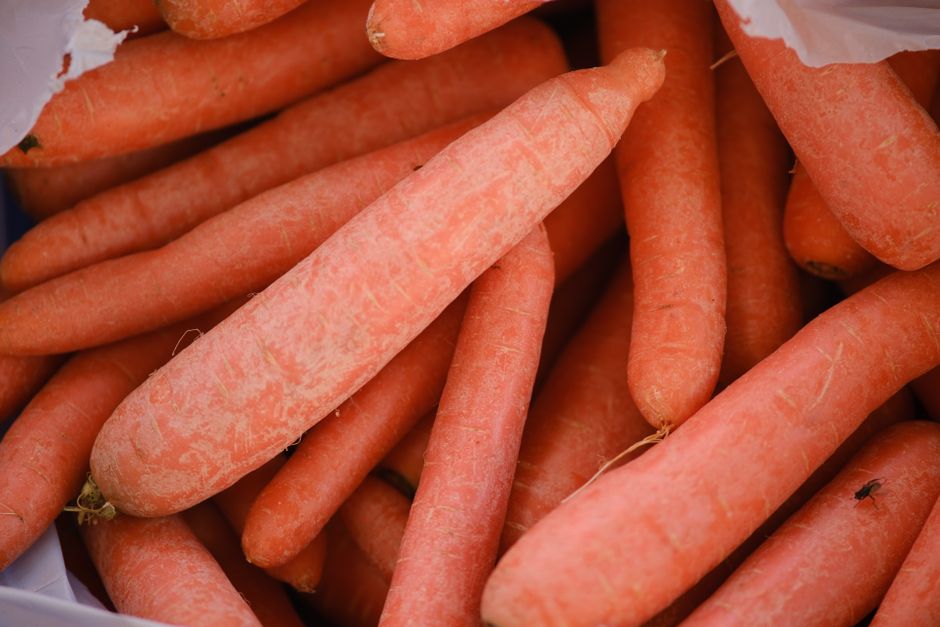
You pull a carrot from the bag, take a bite, and instead of sweet crunch you get a sharp bitter taste. It is not your imagination. Carrots can turn bitter for several specific reasons, and most of them are easy to fix. The most common cause is exposure to ethylene gas from other fruits or vegetables in storage. Simple solutions include proper storage away from ethylene producers, peeling, and cooking.
Why Your Carrots Taste Bitter And How To Fix It?
Bitterness in carrots comes from natural compounds called terpenoids. When these compounds build up too much, the carrot tastes sharp and unpleasant instead of sweet. The sweetness in carrots comes from sugars that develop as the carrot grows and after harvest. The balance between terpenoids and sugars determines the final flavor. Several factors tip that balance toward bitterness. The good news is that most causes are well understood, and you can correct them with simple changes to how you store, select, and prepare carrots.
To fix bitter carrots, start by peeling them. The outer layer contains the highest concentration of bitter compounds. Then try cooking. Heat breaks down many of the bitter molecules and helps bring out natural sweetness. Roasting works especially well because it caramelizes the sugars. You can also pair bitter carrots with sweet or acidic ingredients like honey or lemon juice to balance the flavor. If the bitterness is mild, these steps usually work. If it is very strong, the carrots may have been stored too long or grown under stress, and the best fix is to choose fresher carrots next time.
What Causes the Bitterness in Carrots?
The main cause of bitterness is ethylene gas. Ethylene is a natural plant hormone that speeds up ripening. Many fruits and vegetables release it, including apples, bananas, tomatoes, and melons. When carrots are stored near these ethylene producers, the gas triggers the carrot to produce more terpenoids. This makes the carrot taste bitter. The effect can happen within a few days, even in the refrigerator.
Growing conditions also play a role. Carrots that experience stress from heat, drought, or too much nitrogen fertilizer can develop higher levels of bitter compounds. Soil that is too rich in nitrogen pushes the carrot to grow fast, but the flavor suffers. Some older carrot varieties are naturally more bitter than modern sweet varieties. If you grow your own, choosing a sweet variety like ‘Nantes’ or ‘Bolero’ can help.
Carrots left in the ground too long after maturity can also become bitter and woody. And exposure to sunlight during growth or storage can cause the tops to turn green. The green parts contain chlorophyll and alkaloids that taste bitter even if the rest of the carrot is fine.
How to Store Carrots to Prevent Bitterness
Proper storage is the most effective way to prevent bitterness. Keep carrots in a perforated plastic bag in the crisper drawer of your refrigerator. The perforations allow some air circulation, which prevents moisture buildup that can lead to spoilage. Do not wash carrots before storing. Moisture on the surface speeds decay. Wash them just before using.
The most important rule is to keep carrots away from fruits and vegetables that produce ethylene gas. Store apples, bananas, tomatoes, avocados, and melons in a separate drawer or on a different shelf. If you must store them together, place the carrots in a sealed container or use an ethylene-absorbing product like a baking soda pouch. Some refrigerators have separate crisper drawers with adjustable humidity settings. Use the low-humidity setting for carrots to reduce ethylene exposure.
Cut carrots should be stored in a container of cold water in the refrigerator. Change the water every day. This keeps them crisp and slows chemical changes that cause bitterness. Whole carrots stored properly can last up to 3 weeks. Once they start to soften or develop an off odor, the bitterness is likely to be worse.


Can Cooking Remove Bitterness from Carrots?
Yes, cooking can reduce or eliminate mild to moderate bitterness. Heat breaks down some of the terpenoid compounds that cause bitterness. It also caramelizes the natural sugars in the carrot, which makes the flavor sweeter overall. Roasting is the most effective method. Toss peeled carrot pieces with a little oil and salt, then roast at 400°F (200°C) for 20 to 25 minutes. The high heat concentrates the sugars and reduces bitterness significantly.
Boiling can also work because some bitter compounds leach into the water. However, boiling also removes water‑soluble nutrients and can make the carrots watery. If you boil, use as little water as possible and save the cooking liquid for soups or stews. Steaming is gentler but may not reduce bitterness as much as roasting. Sautéing in butter or oil adds fat, which can coat the tongue and mask bitterness. Adding a pinch of salt or a splash of lemon juice after cooking also helps balance the flavor. For very strong bitterness, no cooking method can fully fix it. In that case, the carrots are past their prime and are best discarded.
Which Carrots Are Least Likely to Be Bitter?
Modern sweet carrot varieties are bred to have low levels of bitter compounds. When you buy carrots at the grocery store, look for smooth, firm, bright‑colored roots. Avoid carrots that are forked, cracked, or have green tops. The green tops can indicate exposure to light, which raises bitterness. Pre‑peeled baby carrots are a popular option. They are cut from larger carrots and often pre‑washed. They tend to be less bitter because the outer layer, which contains most of the bitter compounds, is already removed. However, they can sometimes develop a thin white film. This is called “white blush” and is caused by moisture loss. It is not bitterness, but it can indicate the carrots are older. Check the sell‑by date and choose packages that look moist but not slimy.
If you grow your own, select varieties known for sweetness. ‘Nantes’, ‘Bolero’, ‘Sugar Snax’, and ‘Touchon’ are reliable choices. Harvest carrots when they reach full color and size, usually 60 to 75 days after planting. Do not leave them in the ground too long after maturity. In hot weather, consider planting in late summer for a fall harvest when temperatures are cooler. Cool‑grown carrots are naturally sweeter because the plant converts starches to sugars to avoid freezing.
Quick Tips to Fix Bitter Carrots Right Now
- Peel the carrot. The outer layer holds most of the bitter compounds.
- Cut off the top half inch. The green part near the stem is often more bitter.
- Soak peeled carrot pieces in cold water for 30 minutes. This can leach some bitterness, though the effect is mild and not strongly supported by studies.
- Cook them. Roast, sauté, or boil. Add a sweetener like honey or maple syrup if needed.
- Pair with acidic ingredients like lemon juice or vinegar. Acid masks bitterness on the tongue.
- Mix with other vegetables. Combine bitter carrots with sweet potatoes, onions, or bell peppers to dilute the flavor.
If none of these steps help, the carrots are likely too old or were stored improperly. Discard them and buy fresh ones. Fresh carrots stored correctly rarely taste bitter.
Frequently Asked Questions
Can I eat bitter carrots?
Yes, bitter carrots are safe to eat. The bitterness is caused by natural compounds, not by spoilage or bacteria. However, the flavor may be unpleasant, so many people prefer to cook or peel them first.
Does peeling remove bitterness?
Yes, peeling removes the outer layer of the carrot, which contains the highest concentration of bitter terpenoids. This often reduces or eliminates mild bitterness.
Why do baby carrots sometimes taste bitter?
Baby carrots are cut from larger carrots and are pre-peeled. They can taste bitter if they were stored too long, exposed to ethylene gas, or if they develop white blush from moisture loss. Check the freshness date before buying.
Does soaking carrots in water remove bitterness?
Soaking peeled carrot pieces in cold water may leach some bitter compounds, but the effect is small. No strong evidence confirms it as a reliable method. Cooking is more effective.
