
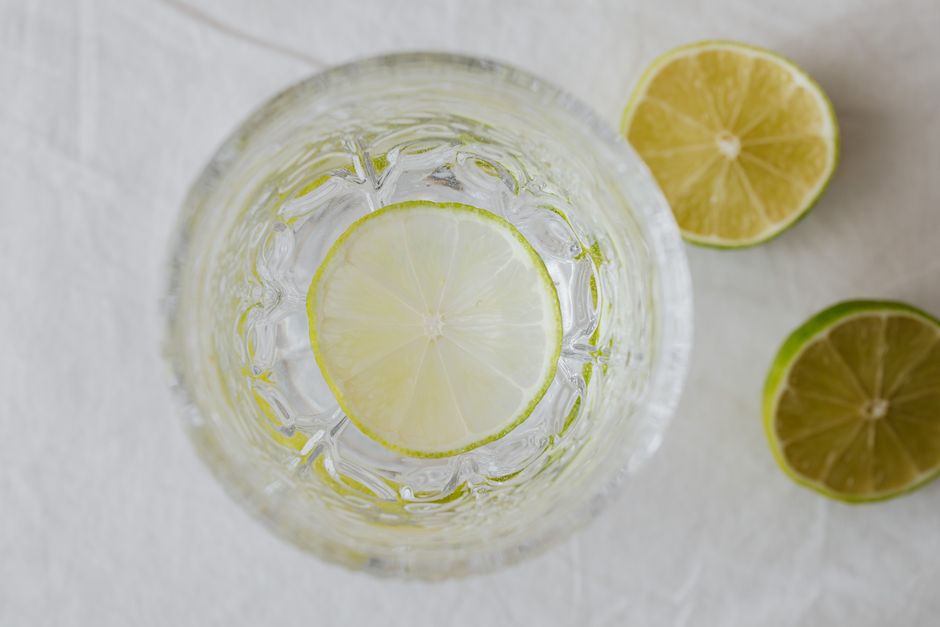
You can make sparkling water taste sweet without sugar by using natural sweeteners like stevia, monk fruit, or allulose, or by adding real fruit, herbs, and spices. These options give you sweetness without the calories or blood sugar spikes of regular sugar. The key is knowing which sweeteners dissolve well in carbonated water and which flavors pair best to avoid a bitter aftertaste.
What Are the Best Natural Sweeteners for Sparkling Water?
Stevia and monk fruit are the most common zero-calorie sweeteners that work in sparkling water. Stevia comes from a plant leaf and is about 200-300 times sweeter than sugar. Many people notice a slight licorice-like aftertaste, especially with lower-quality brands. Liquid stevia drops mix into cold sparkling water better than powdered versions, which can clump.
Monk fruit sweetener is extracted from a small melon-like fruit. It has less aftertaste than stevia for most people. Research published in the Journal of Food Science found that monk fruit sweetener maintains its sweetness in acidic beverages like sparkling water without breaking down. Allulose is another option. It is a rare sugar found naturally in figs and raisins. It has about 70% of the sweetness of sugar but only 0.4 calories per gram. Allulose dissolves easily in cold liquids and does not cause the digestive upset that sugar alcohols like erythritol sometimes do.
Erythritol is a sugar alcohol that is about 70% as sweet as sugar. It dissolves well in cold water and has a clean taste. The main downside is that large amounts — more than 10-15 grams — can cause gas or loose stools in some people. A standard serving of sparkling water with erythritol typically contains 3-5 grams, which most people tolerate fine.
Does Adding Real Fruit Work Better Than Sweeteners?
Yes, for many people real fruit provides a more satisfying sweetness without any aftertaste. The natural sugars in fruit are still sugar, but the amount is small enough that the glycemic impact is minimal. A handful of raspberries or a few slices of peach add about 2-4 grams of natural sugar per glass. That is roughly the same amount of sugar found in a single strawberry.
The trick with fruit is to muddle it first. Pressing the fruit against the bottom of the glass with a spoon releases the juices before you add the sparkling water. Whole berries or citrus slices floating in carbonated water release very little sweetness on their own. Citrus fruits like lemon, lime, and orange are especially effective because their acidity balances the bitterness of carbonation. Research from the University of California, Davis suggests that the combination of citric acid and natural fruit sugars creates a perception of sweetness that is stronger than either component alone.
Frozen fruit works better than fresh in some cases. Freezing breaks down cell walls, so frozen berries release more juice when they thaw in the glass. This gives you more sweetness without needing to add more fruit.
How To Make Sparkling Water Taste Sweet Without Sugar Using Herbs and Spices
Herbs and spices add flavor complexity that tricks your brain into perceiving sweetness. Mint, basil, and rosemary are the most effective herbs for this. When you bruise mint leaves by slapping them between your palms before adding them to the water, they release essential oils that create a cooling sensation on your tongue. That cooling effect is sensed by the same receptors that detect sweetness, so your brain registers a sweeter taste even though no sugar is present.
Cinnamon sticks, vanilla bean, and fresh ginger work similarly. A small piece of fresh ginger muddled in the bottom of the glass adds a mild heat that enhances sweetness perception. A study in the journal Chemical Senses found that the compound 6-gingerol in fresh ginger activates TRPV1 receptors, which interact with sweet taste pathways. This is not imagination — there is a measurable neurological effect.
Cucumber is not a spice, but it deserves mention here. Thin cucumber slices release a mild, clean flavor that makes sparkling water taste noticeably sweeter. The effect is subtle but real. Many people who switch from soda to sparkling water find that cucumber helps them adjust to the lower sweetness level over a week or two.



What About Sugar-Free Syrups and Flavor Drops?
Commercial sugar-free syrups and flavor drops are widely available and convenient, but quality varies dramatically. Many use sucralose (Splenda) or acesulfame potassium as the sweetener. These artificial sweeteners have a well-documented safety profile according to the FDA and the European Food Safety Authority. However, some people report a metallic aftertaste with sucralose in carbonated beverages.
The better commercial options use stevia, monk fruit, or erythritol as the base sweetener. Brands like Skinny Mixes, Jordan’s Skinny Syrups, and SweetLeaf produce syrups designed specifically for sparkling water. A typical serving is 1-2 tablespoons per 12 ounces of water. These syrups are shelf-stable and do not need refrigeration, which makes them convenient for office use or travel.
One thing to watch for is the type of preservative used. Potassium sorbate and sodium benzoate are common in these syrups. When sodium benzoate mixes with the carbonic acid in sparkling water, there is a theoretical risk of benzene formation under certain conditions. The FDA states that the levels found in beverages are far below any safety concern. But if you want to avoid this entirely, choose syrups preserved with potassium sorbate alone or make your own.
| Sweetener Type | Sweetness vs Sugar | Best For | Common Aftertaste |
|---|---|---|---|
| Stevia (liquid) | 200-300x | Cold sparkling water | Licorice-like |
| Monk fruit | 150-200x | Any carbonated drink | Minimal |
| Allulose | 70% | Dissolves easily | None |
| Erythritol | 70% | Clean taste | Cooling sensation |
| Fresh fruit | Variable | Muddled or frozen | None |
What Common Mistakes Make Sparkling Water Taste Bitter?
The biggest mistake is adding sweetener to flat sparkling water. Once carbonation has gone flat, the water tastes flat and slightly metallic. Always add your sweetener or fruit immediately after opening the bottle or making the water in a carbonation machine. The bubbles help distribute the flavor evenly.
Another mistake is using too much stevia or monk fruit powder. These sweeteners are intensely concentrated. A single drop of liquid stevia is enough for 8 ounces of water. Using two or three drops creates an overwhelming sweetness that turns bitter. Start with less than you think you need. You can always add more, but you cannot take it out.
Using fruit that is not ripe is another common issue. Underripe berries or peaches have very little natural sugar and more tannins, which make the water taste sour or astringent. Wait until fruit is fully ripe, or use frozen fruit that was picked at peak ripeness. Citrus fruits are more forgiving — even underripe lemons and limes add acidity rather than bitterness.
Storing opened sparkling water in the refrigerator without a tight seal also causes problems. Carbon dioxide escapes, and the water absorbs odors from other foods. An open bottle of sparkling water can pick up onion or garlic flavors within a few hours. Always reseal the bottle tightly, or transfer to a container with a screw-top lid.
How Long Does It Take to Adjust to Less Sweet Sparkling Water?
Taste bud adaptation happens faster than most people expect. Research from the Monell Chemical Senses Center shows that people who reduce their sugar intake experience measurable changes in sweetness perception within two weeks. After 14 days of drinking low-sweetness beverages, the same concentration of sweetness tastes significantly sweeter than it did before.
This means that if you start with heavily sweetened sparkling water and gradually reduce the amount of sweetener each week, your taste buds will adjust. By week three, you may find that a small amount of fruit or a single drop of stevia is enough. Many people report that after one month, plain sparkling water with just a squeeze of lemon tastes pleasantly sweet.
The practical approach is to reduce sweetener by 25% each week. If you start with 2 tablespoons of syrup, use 1.5 tablespoons the second week, then 1 tablespoon, then 0.5 tablespoons. By the fifth week, you may not need any added sweetener at all. This gradual reduction avoids the shock of going cold turkey, which often leads people to give up and go back to soda.
Frequently Asked Questions
Can I use honey in sparkling water?
Honey does not dissolve well in cold sparkling water and will sink to the bottom. It is also still sugar, so it adds calories and affects blood sugar the same way table sugar does.
Does sparkling water with sweetener still count as water intake?
Yes. The water content is the same as plain water, and the sweetener does not dehydrate you. It counts fully toward your daily fluid needs.
What is the best sugar-free syrup for sparkling water?
Monk fruit or allulose-based syrups generally have the cleanest taste with the least aftertaste. Stevia-based syrups vary by brand, so try a few to find one you like.
Can I make my own sugar-free syrup at home?
Yes. Simmer allulose or erythritol with water and flavorings like vanilla bean or citrus zest, then cool and bottle. Homemade syrups last about two weeks in the refrigerator.
