
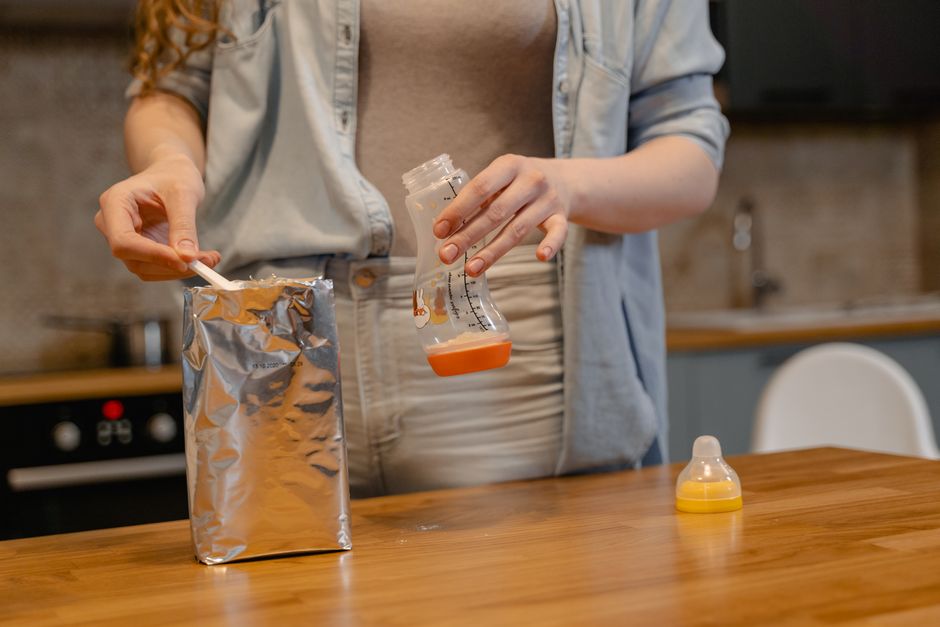
Mixing baby formula seems simple, but getting it wrong can make your baby sick. The safe way is to boil water, let it cool for 30 minutes, pour it into a clean bottle, add the exact number of formula scoops, shake well, and cool it to feeding temperature. This process kills harmful bacteria that can live in powdered formula. The CDC and the World Health Organization both recommend this method for every bottle you make.
Why Is Safe Formula Mixing So Important?
Powdered infant formula is not sterile. It can contain bacteria like Cronobacter sakazakii, which is rare but dangerous for newborns. The CDC reports that about 2 to 4 cases of Cronobacter infection in infants are confirmed each year in the United States, but the infection can be fatal.
Most healthy older babies can fight off these bacteria. But for babies under 3 months old, premature infants, or those with weak immune systems, the risk is real. Mixing formula with hot water — water heated to at least 158°F (70°C) — kills these bacteria before they reach your baby.
This is not about being overly cautious. This is what the research supports. A study published in the Journal of Pediatrics found that powdered formula prepared with water below 158°F still contained live bacteria in some samples. Water straight from the tap, even if safe to drink, does not get hot enough to kill what might be in the powder.
What Temperature Does the Water Need to Be?
The water must be at least 158°F (70°C). This temperature kills Cronobacter and other bacteria without destroying the nutrients in the formula.
Here is the practical problem — most people do not own a kitchen thermometer. You can buy one, but there is an easier way. After boiling water, let it sit for about 30 minutes with the lid on the kettle. After 30 minutes, the water will be close to 158°F.
Do not trust a “cool enough to touch” test. Water at 158°F can still cause a mild burn on your skin. If you are unsure, use a simple food thermometer. They cost under $10 and remove all the guesswork.
Some people argue that using hot tap water is fine. It is not. Hot tap water can contain lead and other minerals from your pipes. Always start with cold tap water and boil it yourself.
How To Mix Baby Formula Safely Step By Step
Follow these steps exactly. Do not skip the boiling step even if your tap water is filtered.
- Wash your hands with soap and water for 20 seconds before touching bottles or formula.
- Clean and sterilize bottles, nipples, and rings in boiling water for 5 minutes or use a steam sterilizer.
- Boil fresh cold tap water in a clean kettle. Let it boil for one full minute.
- Let the water cool with the lid on for about 30 minutes. It should be 158°F (70°C).
- Pour the hot water into the clean bottle. Use the amount shown on the formula package.
- Add the exact number of scoops using the scoop that came with the formula. Level it off with a clean knife — do not pack or heap the scoop.
- Put the nipple and ring on the bottle and shake well until the powder dissolves completely.
- Cool the bottle quickly by holding it under cold running water or placing it in an ice bath. Do not let water get inside the bottle.
- Test the temperature by shaking a few drops on the inside of your wrist. It should feel warm, not hot.
Feed your baby within one hour of mixing. If the baby does not finish the bottle, throw away the leftover formula. Do not save it for later.




What Does Research on Formula Preparation Say?
The World Health Organization released specific guidelines for preparing powdered infant formula in 2007. These guidelines are still the gold standard. They recommend water at 158°F (70°C) for all powdered formulas, not just for premature or low-birth-weight babies.
The American Academy of Pediatrics agrees. Their official advice says to use water that is “hot enough to kill bacteria” but they do not always give a specific temperature in parent-facing materials. The CDC is clearer — they say to heat water to 158°F to kill Cronobacter.
A 2018 review in the journal Pediatric Gastroenterology, Hepatology & Nutrition looked at multiple studies on formula preparation. The researchers found that water temperature was the single most important factor in reducing bacterial contamination. They also found that many parents did not know this and were not following safe practices.
Some parents worry that hot water destroys nutrients. Research shows that water at 158°F does not significantly affect the protein, fat, or vitamin content of formula. The nutrients are designed to withstand this temperature. Do not use boiling water directly — that is water at 212°F — because that high heat can damage some nutrients. Let it cool to 158°F first.
Common Mistakes Parents Make When Mixing Formula
Most parents make at least one mistake when mixing formula. Here are the most common ones and why they matter.
| Mistake | Why It Is Unsafe | What To Do Instead |
|---|---|---|
| Using hot tap water | May contain lead or copper from pipes | Always start with cold water and boil it |
| Skipping the boiling step | Powder may contain live bacteria | Boil water every time, even for older babies |
| Adding too much powder | Can cause dehydration or kidney strain | Level each scoop with a knife |
| Adding too little powder | Baby gets too few calories and nutrients | Follow package directions exactly |
| Reheating leftover formula | Bacteria grow in the bottle during feeding | Throw away any formula left after one hour |
| Storing mixed formula in the fridge too long | Bacteria can grow even in cold temperatures | Use refrigerated formula within 24 hours |
Another mistake people make is thinking that “ready-to-feed” formula needs the same steps. It does not. Ready-to-feed liquid formula is sterile and does not need hot water. Just pour it into a clean bottle and feed. But it costs more and takes up more storage space.
Some parents also use bottled water thinking it is safer. Bottled water is not sterile either. It can still contain bacteria. You must boil bottled water the same way you boil tap water if you are using it for powdered formula.
Does the Type of Water Matter?
Yes, but not in the way many people think. The most important thing is that the water is boiled and cooled to the right temperature. The source of the water matters less than the preparation.
Fluoridated tap water is fine to use. In fact, most municipal tap water in the US contains fluoride, which helps prevent tooth decay. The CDC says using fluoridated water for formula is safe for most babies. If you are concerned about fluoride, you can use low-fluoride bottled water, but you still need to boil it.
Well water requires extra caution. The CDC recommends having well water tested for nitrates and bacteria before using it for formula. Nitrates can interfere with a baby’s ability to carry oxygen in the blood. If your well water has high nitrates, use bottled water instead.
Distilled water and purified bottled water are fine to use. But again, they are not sterile. You must boil them too. The only exception is water labeled “sterile” or “nursery water” that comes in a sealed container. That water is already sterile and does not need boiling. Check the label carefully.
How To Store Prepared Formula Safely
If you make a batch of formula and do not feed it right away, you must store it properly. Prepared formula can sit at room temperature for no more than two hours. After that, bacteria can grow to unsafe levels.
You can store prepared formula in the refrigerator for up to 24 hours. Put it in the back of the fridge, not in the door, where the temperature is coldest and most consistent. Keep the bottle tightly sealed.
Do not freeze formula. Freezing changes the texture and can cause the fat and water to separate. It also does not kill bacteria — it just stops them from growing. When you thaw the formula, bacteria can start growing again.
Never add hot formula to cold formula to warm it up. If you are mixing a bottle from refrigerated formula, warm it by placing the bottle in a bowl of warm water or running it under warm tap water. Do not use a microwave. Microwaves heat unevenly and can create hot spots that burn your baby’s mouth.
What About Formula for Preterm or Low-Birth-Weight Babies?
Babies born early or with low birth weight need extra caution. Their immune systems are not fully developed. The CDC specifically recommends using liquid ready-to-feed formula for these babies whenever possible because it is sterile.
If you must use powdered formula for a preterm baby, follow the same hot water method described above. But be even more careful with timing. Feed the baby immediately after mixing. Do not store prepared formula for later use.
Some hospitals provide specific preparation instructions for preterm babies. Follow those instructions exactly. If you are unsure, ask your pediatrician or a neonatal nurse. Do not guess.
Frequently Asked Questions
Can I use bottled water for baby formula?
Yes, but you still need to boil it unless the label says “sterile.” Bottled water is not sterile and can contain bacteria.
How long does prepared formula last at room temperature?
Prepared formula is safe at room temperature for up to two hours. Throw away any formula left in the bottle after one hour of feeding.
Do I need to boil water for formula every time?
Yes. The CDC and WHO recommend boiling water for every bottle of powdered formula until your baby is at least 3 months old. Some experts recommend it for the entire first year.
Can I make formula ahead of time and refrigerate it?
Yes. Prepared formula can be refrigerated for up to 24 hours. Store it in the back of the fridge, not in the door, and use it within that time.
