
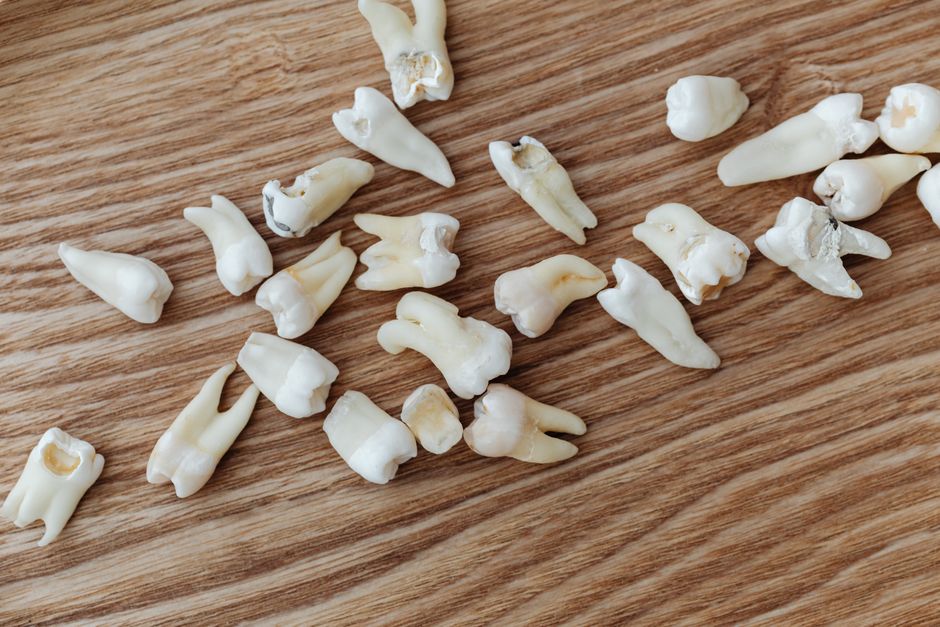
Tooth enamel cannot regrow once it is lost because it has no living cells. The body does not make new enamel. However, you can strengthen the enamel that remains and stop further damage using specific minerals, diet changes, and careful oral hygiene. The most effective natural approach involves remineralization — replacing lost minerals in the enamel surface before a cavity forms. This requires consistent use of fluoride or nano-hydroxyapatite, cutting out acidic foods and drinks, and keeping your mouth at a neutral pH. No home remedy will grow back enamel that is already gone, but you can repair the early stages of decay and protect your teeth from getting worse.
What Causes Tooth Enamel to Wear Down?
Enamel is the hardest substance in your body. But it is not indestructible. Acid attacks are the main cause of enamel loss. Every time you eat or drink something acidic, your mouth pH drops. If it stays below 5.5 for too long, minerals start to leach out of the enamel surface.
Acidic foods and drinks are the biggest problem. Soda, citrus juices, sports drinks, and wine are common culprits. But even healthy foods like apples, tomatoes, and vinegar-based dressings can be acidic enough to soften enamel if you eat them frequently. The frequency matters more than the amount. Sipping a soda over two hours does more damage than drinking it in ten minutes.
Other causes include teeth grinding, brushing too hard, dry mouth, acid reflux, and certain medications. The CDC reports that about 1 in 5 adults have some form of enamel erosion. It gets worse with age because enamel naturally thins over decades of wear.
Genetics also plays a role. Some people naturally have thinner enamel or softer enamel. If your parents had lots of cavities or worn-down teeth, you may be more prone to enamel loss yourself.
Can You Really Remineralize Enamel at Home?
Yes, but only if the damage is caught early. The early stage of enamel loss is called demineralization. At this point, the enamel surface is soft and porous, but no cavity has formed yet. This stage is reversible. You can put minerals back into the enamel and harden it again.
Research published in the Journal of Dental Research has shown that fluoride helps remineralize enamel by attracting calcium and phosphate ions back to the tooth surface. Nano-hydroxyapatite, a synthetic form of the mineral that makes up your enamel, works similarly. Some studies suggest nano-hydroxyapatite is just as effective as fluoride, with fewer concerns about toxicity.
Once a cavity forms — a physical hole in the enamel — you cannot fix it at home. The body cannot fill that hole. Only a dentist can treat a real cavity. Many online articles claim you can reverse cavities with diet alone. That is not accurate. You can stop a cavity from getting bigger if you remineralize the surrounding enamel, but the hole itself will not close.
This is where a lot of misinformation lives. Some influencers claim that cutting sugar and taking vitamin D will regrow enamel. Vitamin D helps your body absorb calcium, which is important for overall dental health. But it does not create new enamel cells. Be skeptical of any claim that sounds too simple or too dramatic.
What Natural Ingredients Actually Help Strengthen Enamel?
Several natural ingredients have real evidence behind them for remineralization. None of them work overnight. Consistency over weeks and months is what matters.
Nano-hydroxyapatite is the most promising natural alternative to fluoride. It is a calcium phosphate compound that bonds directly to enamel. Studies, including one in Dentistry Journal, found that toothpaste with nano-hydroxyapatite reduced tooth sensitivity and reversed early demineralization. It is safe to swallow and does not cause fluorosis. Many natural toothpaste brands now include it, but check the ingredient list carefully. Some “natural” toothpastes rely only on baking soda or charcoal, which do not remineralize.
Xylitol is a natural sweetener that bacteria cannot digest. When you chew gum or use toothpaste with xylitol, the bacteria in your mouth cannot produce acid. This keeps your mouth pH neutral longer, giving enamel a chance to remineralize on its own. The American Dental Association recognizes xylitol as helpful for cavity prevention, though the evidence is stronger for chewing gum than for toothpaste.
Calcium phosphate products, such as GC Tooth Mousse or MI Paste, contain casein phosphopeptide-amorphous calcium phosphate (CPP-ACP). These are applied topically and help deposit calcium and phosphate into enamel. Research in the Australian Dental Journal found that CPP-ACP reduced early enamel lesions. These products are available over the counter but are more common through dental offices.
Green tea contains fluoride naturally and has antibacterial compounds called catechins. Drinking unsweetened green tea can reduce plaque and help maintain enamel. Do not add sugar or honey, which defeats the purpose.
Coconut oil pulling is widely claimed to remineralize teeth. The evidence is weak. Some small studies show it reduces plaque and gingivitis, but no good research shows it puts minerals back into enamel. It is not harmful, but do not rely on it for remineralization.
| Ingredient | Evidence Strength | What It Does |
|---|---|---|
| Nano-hydroxyapatite | Strong | Directly bonds to enamel, reverses early demineralization |
| Fluoride | Strong | Attracts calcium and phosphate, hardens enamel |
| Xylitol | Moderate | Prevents acid production, helps maintain neutral pH |
| Calcium phosphate (CPP-ACP) | Moderate | Deposits minerals into early lesions |
| Coconut oil pulling | Weak | Reduces plaque but does not remineralize enamel |
| Green tea | Moderate | Provides natural fluoride, reduces bacteria |




What Diet Changes Protect Enamel the Most?
Your diet directly determines whether your teeth are gaining or losing minerals. The most important change is reducing how often your mouth becomes acidic. That means cutting back on sugar and acidic foods, but also changing how you eat them.
Eat acidic foods only during meals, not as snacks. When you eat a meal, your saliva production increases and helps neutralize acid. Snacking on fruit or drinking juice throughout the day keeps your mouth acidic for hours. Your enamel never gets a break to remineralize.
Cheese is one of the best foods for enamel. It is high in calcium and phosphate, and it stimulates saliva. Eating a small piece of cheese after a meal can raise your mouth pH quickly. A study in General Dentistry found that cheese helped neutralize acid more effectively than milk or yogurt.
Dairy products in general help. Milk, yogurt, and cheese all provide calcium and casein, which forms a protective film on teeth. If you are lactose intolerant, look for fortified alternatives with calcium citrate or calcium phosphate.
Crunchy vegetables like carrots and celery are good for enamel in two ways. They require chewing, which produces saliva. And they have a high water content, which dilutes acid. They also do not stick to teeth like sticky dried fruit or crackers.
Avoid swishing acidic drinks in your mouth or holding them before swallowing. Use a straw to bypass your teeth. Rinse your mouth with plain water after eating anything acidic. Wait at least 30 minutes before brushing. Brushing immediately after an acid attack scrubs away softened enamel.
What Daily Habits Are Destroying Your Enamel?
Brushing too hard is a common problem. Many people think aggressive brushing cleans better. It does not. It wears away enamel and damages gums. Use a soft-bristled toothbrush. Let the bristles do the work. If your toothbrush bristles look flattened after a month, you are brushing too hard.
Brushing right after eating is another mistake. Acid softens enamel temporarily. If you brush while the enamel is soft, you remove tiny layers of it. Wait 30 to 60 minutes after eating. Or brush before meals instead. Brushing before breakfast is actually better for enamel because your teeth are already covered with protective saliva.
Dry mouth is a major enamel risk. Saliva is your mouth’s natural defense. It neutralizes acid, washes away food particles, and provides minerals for remineralization. If your mouth is dry, you lose all of that. Common causes include medications for allergies, blood pressure, depression, and anxiety. Drinking water throughout the day helps. Chewing xylitol gum also stimulates saliva.
Teeth grinding, or bruxism, physically wears down enamel. Many people grind at night without realizing it. Signs include jaw pain, headaches in the morning, and flattened teeth. A dentist can make a night guard. This is not a natural solution, but it stops mechanical wear better than any home remedy.
Using abrasive toothpastes or powders is another hidden problem. Charcoal toothpaste is popular but highly abrasive. It can remove surface stains, but it also scratches and thins enamel. The Journal of the American Dental Association has warned against regular use of charcoal toothpaste because of its abrasiveness. Baking soda is less abrasive but still not ideal for daily use on already weakened enamel.
How To Restore Tooth Enamel Naturally At Home — A Practical Routine
There is no single trick that works. A routine that combines several evidence-based steps gives the best chance of stopping enamel loss and remineralizing early damage.
- Use a toothpaste with nano-hydroxyapatite or fluoride. Brush twice a day with a soft brush. Do not rinse your mouth immediately after spitting. Let the toothpaste residue sit on your teeth for a few minutes to maximize mineral absorption.
- Chew xylitol gum after meals. Aim for five to ten minutes. This raises saliva production and keeps pH neutral. Look for gum with xylitol as the first ingredient.
- Rinse your mouth with water after every meal or snack. If you cannot brush, water is the next best thing. It dilutes acid and washes away sugar.
- Eat cheese or drink milk after acidic meals. A small piece of cheddar after lunch can raise pH quickly and provide calcium.
- Drink water throughout the day to prevent dry mouth. If you take medications that cause dry mouth, sip water constantly. A humidifier at night also helps.
- Avoid snacking between meals. Every time you eat, your mouth becomes acidic for 20 to 40 minutes. Frequent snacking extends this acid exposure significantly.
- See your dentist every six months. They can spot early demineralization before it becomes a cavity. Professional fluoride treatments or prescription-strength toothpaste may be recommended if your enamel loss is advanced.
This routine is not complicated, but it requires discipline. The results are not visible overnight. You will not see enamel grow back. But after several months, your teeth may feel less sensitive, and your dentist may note fewer new cavities or smaller areas of softening.
Frequently Asked Questions
Can baking soda restore tooth enamel?
Baking soda can neutralize acid and remove surface stains, but it does not remineralize or restore enamel. It is also abrasive and can wear down enamel if used too often.
How long does it take to remineralize teeth naturally?
Early demineralization can begin to reverse within three to six months of consistent care. Full remineralization of deeper lesions may take a year or more and depends on diet, saliva, and oral hygiene.
Does oil pulling strengthen tooth enamel?
Oil pulling reduces plaque and bacteria, but there is no strong evidence that it adds minerals to enamel. It is a helpful addition to a routine but not a replacement for remineralizing toothpaste.
Is fluoride necessary for enamel repair?
Fluoride is one of the most well-studied and effective minerals for remineralization. Nano-hydroxyapatite is a natural alternative with similar benefits, but without fluoride, you need to be very consistent with other methods.
