
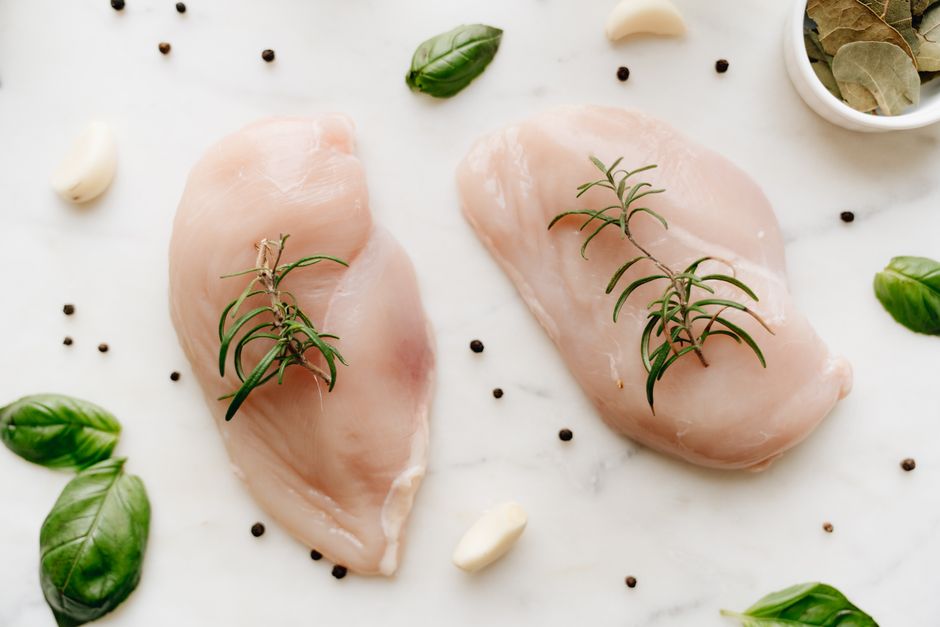
Lean meat gives your body two things it cannot easily make on its own: complete protein and highly absorbable iron. Protein supplies the building blocks for muscle, enzymes, and immune cells, while the iron in meat — called heme iron — is absorbed far more efficiently than the iron found in plants. For many people, especially those who are menstruating, pregnant, or over 50, these two nutrients are the main reason lean meat earns a place on the plate.
What Counts as Lean Meat?
Lean meat is meat with most of the visible fat trimmed away. The term is a defined one, not a marketing word. The United States Department of Agriculture sets a standard: a 3.5-ounce (100-gram) serving of lean meat contains less than 10 grams of total fat, 4.5 grams or less of saturated fat, and fewer than 95 milligrams of cholesterol.
Several common cuts meet that bar. Skinless chicken and turkey breast are the most familiar. So are pork tenderloin, pork loin, and lean ground beef that is at least 90 percent lean. Beef top round, sirloin, and eye of round also qualify. The cut matters more than the animal. A chicken thigh with skin is not lean; a trimmed pork loin is.
One clarification worth making: “lean” does not mean “low calorie.” A lean cut still carries fat and calories. It simply carries less of both than a fatty cut of the same animal.
Why Is Lean Meat Such a Good Protein Source?
Meat protein is complete, meaning it supplies all nine essential amino acids your body cannot produce and must get from food. That is a meaningful difference from most single plant proteins, which tend to be low in one or more essential amino acids. You can combine plant foods to cover the gap, but meat does it in one bite.
Protein itself matters more than many people realize. It builds and repairs muscle, makes hormones and enzymes, and supports immune function. Adults begin losing muscle mass gradually starting around age 30, and the loss accelerates after 60. Adequate protein intake, combined with resistance exercise, is one of the few things shown to slow that decline.
Lean meat delivers protein efficiently. A 3.5-ounce serving of skinless chicken breast provides roughly 31 grams of protein. The same amount of lean beef sirloin offers about 27 grams. For someone aiming for 25 to 30 grams of protein per meal — a range often discussed in nutrition research on muscle maintenance — a palm-sized portion of lean meat gets you there.
Protein also takes longer to digest than carbohydrate or fat, which tends to keep hunger down between meals. That effect is real but modest. It is not a weight-loss strategy on its own.
What Kind of Iron Does Meat Contain?
Meat contains heme iron. Plants contain non-heme iron. The difference affects how much your body actually absorbs.
Heme iron is bound inside a ring-shaped molecule called a porphyrin, and it enters your bloodstream through a dedicated pathway that non-heme iron cannot use. Absorption of heme iron generally runs higher than absorption of non-heme iron, and it is less affected by other foods on your plate. Non-heme iron absorption, by contrast, is heavily influenced by what else you eat. Vitamin C boosts it; tea, coffee, and calcium can reduce it.
This is why a person eating a mixed diet can meet iron needs with less total iron from meat than from plant sources alone. It is also why vegetarians and vegans need to pay closer attention to iron intake and to the food combinations that improve absorption.
Iron does more than prevent anemia. It is part of hemoglobin, which carries oxygen in your blood, and myoglobin, which stores oxygen in muscle. It also supports enzymes involved in energy production. Low iron can leave you tired, short of breath on exertion, and mentally foggy long before anemia shows up on a blood test.
Which Nutrients Besides Protein and Iron Matter?
Protein and iron get the attention, but lean meat carries several other nutrients in forms the body uses well.
- Zinc — supports immune function, wound healing, and cell division. Meat zinc is more absorbable than zinc from plant foods, which is partly blocked by phytates in grains and legumes.
- Vitamin B12 — needed for red blood cell formation and nerve function. It occurs naturally almost exclusively in animal foods.
- Niacin (B3) — involved in converting food into energy.
- Vitamin B6 — helps the body use protein and supports normal brain development.
- Selenium — an antioxidant mineral involved in thyroid function.
These nutrients work together. A diet short on B12 or zinc can cause fatigue and immune problems that look a lot like iron deficiency, which is one reason a single nutrient fix rarely solves the whole picture.
Does Lean Meat Fit Into a Healthy Diet?
Yes, in moderate amounts, and the broader context of the diet matters as much as the meat itself.
Large population studies have linked higher intake of processed meats — bacon, sausage, hot dogs, deli meats — to increased risk of colorectal cancer and heart disease. Lean, unprocessed meat does not carry the same consistent signal in that research. The distinction between processed and unprocessed is one of the more reliable findings in nutrition science.
That does not make lean meat a free pass. Dietary patterns that emphasize vegetables, fruits, whole grains, legumes, and fish tend to be associated with better long-term health outcomes than patterns built heavily around red meat. Lean meat fits best as one part of a varied diet, not as the centerpiece of every meal.
How you cook it also matters. High-temperature grilling and pan-frying of meat can form compounds called heterocyclic amines and polycyclic aromatic hydrocarbons, which are associated with cancer risk in some studies. Lower-temperature cooking methods — roasting, baking, steaming, poaching — produce fewer of these compounds. This is a reasonable precaution, though the evidence on how much it matters in real-world diets is not settled.
Who Benefits Most From Lean Meat?
Some groups have a harder time getting enough protein and iron from other sources.
Women who menstruate lose iron every month and have higher iron needs than men. Iron deficiency is more common in this group than in any other in the United States.
Pregnant women need substantially more iron and protein to support fetal development and the increased blood volume of pregnancy. The Centers for Disease Control and Prevention recommends iron supplementation during pregnancy, and lean meat can help meet higher protein needs. Any dietary change during pregnancy should be discussed with a clinician.
Adults over 50 face gradual muscle loss and often eat less protein than they need. Lean meat is a concentrated, easy-to-chew source for many people in this group.
Athletes and people doing resistance training have higher protein requirements, and lean meat is an efficient way to meet them.
For anyone with kidney disease, gout, or a history of iron overload conditions like hemochromatosis, meat and protein intake should be managed with medical guidance. These are real contraindications, not minor caveats.
How Much Lean Meat Should You Eat?
There is no single number that fits everyone. Protein needs depend on body weight, activity level, age, and health status.
General guidance from nutrition authorities suggests adults aim for roughly 0.8 grams of protein per kilogram of body weight per day as a minimum, with higher intakes often recommended for older adults and active people. For a 150-pound adult, that minimum is about 55 grams of protein daily. A single 3.5-ounce serving of lean chicken or beef supplies about half of that.
For red meat specifically, dietary guidelines in several countries suggest limiting intake to moderate amounts — often described as no more than a few servings per week — largely because of the processed meat and saturated fat concerns. Poultry and fish do not carry the same restriction.
The practical takeaway is not a precise gram count. It is that lean meat works best as one protein source among several, paired with vegetables, whole grains, and legumes rather than replacing them.
Frequently Asked Questions
Is lean meat healthier than fatty meat?
Lean meat has less total fat and saturated fat than fatty cuts, which is generally better for heart health. It also has fewer calories per serving, though the protein and iron content is similar.
How much iron is in lean beef?
A 3.5-ounce serving of lean beef provides roughly 2 to 3 milligrams of iron, mostly in the highly absorbable heme form. Exact amounts vary by cut and how the animal was raised.
Can I get enough iron without eating meat?
Yes, but it takes more planning. Plant iron is absorbed less efficiently, so vegetarians and vegans typically need higher total iron intake and should pair iron-rich foods with vitamin C while limiting tea and coffee at meals.
Is lean meat good for weight loss?
Lean meat can support weight loss because protein helps preserve muscle and tends to reduce hunger. It only helps if overall calorie intake is controlled — the meat itself is not a weight-loss tool.
