
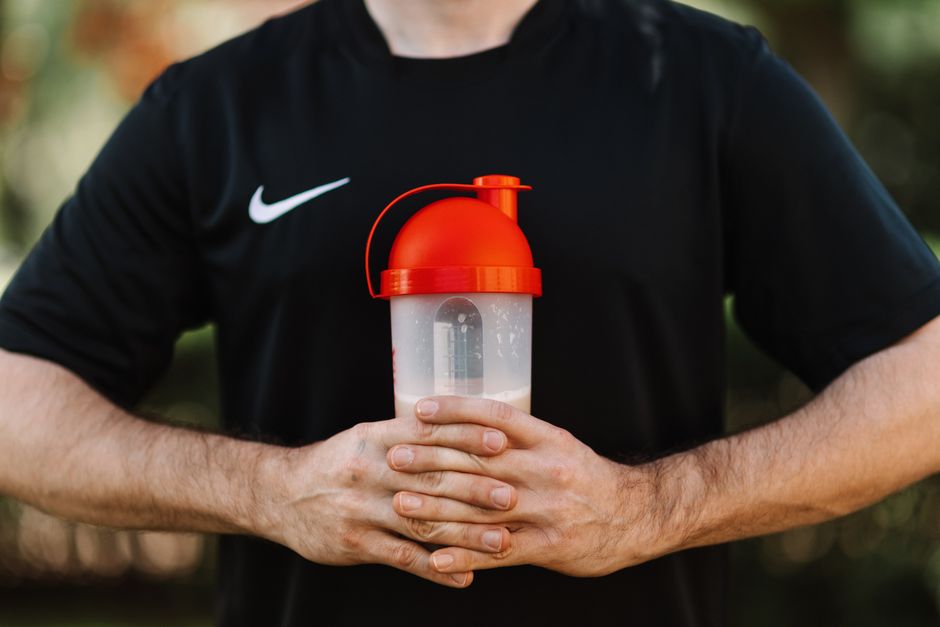
Lean protein is protein from food that is low in saturated fat and calories. It gives your body the building blocks it needs without the extra fat that comes with fatty cuts of meat. Think skinless chicken breast, fish, beans, and low-fat dairy. These foods pack a protein punch without loading you up with things that can raise cholesterol or add too many calories.
Many people think they need to eat more protein. But the real question is not just how much protein you eat. It is what kind of protein you eat. Lean protein helps you get the benefits of protein — like muscle repair, feeling full, and steady energy — without the downsides of too much saturated fat.
What Is Lean Protein Exactly?
Lean protein is any protein source that has less than 10 grams of total fat and less than 4.5 grams of saturated fat per serving. That is the official definition from the U.S. Department of Agriculture. For a 3.5-ounce serving, that is roughly the size of a deck of cards.
Some foods are naturally lean. Chicken breast without the skin is a classic example. A 3.5-ounce serving has about 31 grams of protein and only 3.6 grams of fat. Compare that to a ribeye steak, which has about 24 grams of protein but 22 grams of fat. You get less protein and way more fat.
Fish is another great lean option. Cod, tuna, and tilapia all fall well under the fat limits. Even fattier fish like salmon is still moderate in fat and rich in healthy omega-3s, so many experts include it in a lean protein plan.
Plant-based proteins are naturally lean in most cases. Lentils, chickpeas, black beans, and edamame all provide protein with very little fat. Tofu and tempeh are also lean options. The exception is nuts and seeds, which are higher in fat — though it is mostly unsaturated fat.
How Much Lean Protein Do You Actually Need?
The standard recommendation from the National Academies of Sciences, Engineering, and Medicine is 0.8 grams of protein per kilogram of body weight per day. For a 150-pound person, that is about 55 grams of protein. That is the minimum to prevent deficiency, not an optimal target.
Research published in the American Journal of Clinical Nutrition suggests that older adults may benefit from more. People over 65 may need 1.2 to 1.6 grams per kilogram. That same 150-pound person would then need 82 to 109 grams per day. This helps prevent muscle loss that comes with aging.
Active people also need more. If you exercise regularly, especially with strength training, your protein needs go up. Some studies suggest 1.6 to 2.2 grams per kilogram for people trying to build muscle. That is roughly 109 to 150 grams for a 150-pound person.
Here is a quick guide to what that looks like in food:
| Food | Serving | Protein (g) | Fat (g) |
|---|---|---|---|
| Chicken breast (skinless) | 3.5 oz | 31 | 3.6 |
| Cod | 3.5 oz | 20 | 0.7 |
| Greek yogurt (nonfat) | 6 oz | 17 | 0.2 |
| Lentils (cooked) | 1 cup | 18 | 0.8 |
| Extra lean ground beef (96% lean) | 3.5 oz | 26 | 4.5 |
| Tofu (firm) | 3.5 oz | 11 | 4.8 |
Most Americans already eat enough protein overall. The problem is often the source. A 2021 study in Nutrients found that over half of protein in the typical U.S. diet comes from meat, poultry, and eggs — much of it from higher-fat cuts and processed meats.
Does Eating Lean Protein Help With Weight Loss?
Research shows that protein helps with weight management in two main ways. First, it increases satiety — the feeling of being full. A study in the Journal of the Academy of Nutrition and Dietetics found that higher protein meals led to greater fullness compared to lower protein meals with the same calories.
Second, protein has a higher thermic effect than carbs or fat. That means your body burns more calories digesting and processing protein. Estimates suggest about 20-30% of protein calories are burned just through digestion, compared to 5-10% for carbs and 0-3% for fat.
But here is the catch. Choosing lean protein over fatty protein matters for weight loss because of calories. A 3.5-ounce ribeye has about 290 calories. The same amount of skinless chicken breast has about 165 calories. Over a week, that difference adds up without any change in how much protein you get.
Some people report that high protein diets help them lose weight faster. But the evidence from long-term studies is mixed. A 2018 review in the British Journal of Nutrition found that while high protein diets often lead to more weight loss in the first 6 months, the difference shrinks after a year. The key is that protein helps you feel full, so you eat less overall. It is not magic.


What Are the Best Sources of Lean Protein?
Your choices break into two categories: animal sources and plant sources. Both can work well. The best choice depends on your diet preferences and health goals.
Animal sources include:
- Skinless poultry — chicken and turkey breast
- Fish and shellfish — cod, haddock, tuna, shrimp, tilapia
- Lean cuts of red meat — sirloin, tenderloin, 93% lean or higher ground beef
- Pork loin and pork chops — trim visible fat
- Egg whites — the yolk has fat, so whites alone are pure protein
- Low-fat dairy — Greek yogurt, cottage cheese, skim milk
Plant sources include:
- Legumes — lentils, chickpeas, black beans, kidney beans
- Soy products — tofu, tempeh, edamame
- Seitan — made from wheat gluten, very high in protein
- Quinoa — a grain that is a complete protein
- Peas and green vegetables — lower protein but still contribute
One thing many people get wrong is thinking all fish is lean. It is not. Salmon and mackerel are moderate in fat. Trout and herring are similar. That is fine — those fats are mostly healthy omega-3s. But if you are strictly counting fat grams, choose cod or haddock instead.
Another common mistake is assuming all plant proteins are low fat. Nuts and seeds are healthy but high in fat. A quarter cup of almonds has 14 grams of fat. Nut butters are similar. They are good foods, just not lean in the same way beans or lentils are.
Can You Eat Too Much Lean Protein?
Yes, you can eat too much protein from any source. The body can only use so much protein at once. A 2018 study in the Journal of the International Society of Sports Nutrition suggests that 20-40 grams per meal is the maximum that stimulates muscle protein synthesis for most people. Anything beyond that is either stored as fat or excreted.
There are also health concerns with very high protein intakes over long periods. The main worry is kidney strain. People with existing kidney disease need to limit protein. For healthy kidneys, the evidence is less clear. A 2020 review in Nutrients found no harm in healthy people eating up to 2 grams per kilogram per day. But above that, the data is limited.
Some people report digestive issues when they suddenly increase protein. This is common with plant proteins like beans and lentils. The fiber can cause gas and bloating if your body is not used to it. Starting with smaller amounts and increasing slowly helps.
There is also a myth that high protein diets cause bone loss. The idea was that protein makes your body more acidic, and your body leaches calcium from bones to buffer it. But research published in the American Journal of Clinical Nutrition found that higher protein intake is actually associated with better bone density, not worse. The old theory did not hold up.
How Do You Add More Lean Protein to Your Diet?
Start with one meal at a time. Breakfast is an easy place. Swap sugary cereal for Greek yogurt or eggs. A 6-ounce serving of nonfat Greek yogurt has 17 grams of protein. Two scrambled eggs have 12 grams. That is a big improvement over most breakfast cereals, which have 2-4 grams per serving.
At lunch and dinner, make protein the center of the plate. Fill half your plate with vegetables, a quarter with lean protein, and a quarter with whole grains or starchy vegetables. This is the plate method recommended by the Harvard T.H. Chan School of Public Health.
Snacks can also add protein. Cottage cheese, a hard-boiled egg, edamame, or a small can of tuna all work. Protein bars vary a lot — check the label. Some are just candy bars with protein powder added. Look for bars with at least 10 grams of protein and less than 5 grams of saturated fat.
One simple swap: replace ground beef with ground turkey or chicken in recipes. Most recipes work fine with the swap. Just check the label on ground turkey — some blends include dark meat and skin, which adds fat. Look for 93% lean or higher.
Another swap: use lentils or beans in place of some meat. You can mix half ground meat and half cooked lentils in tacos or pasta sauce. This cuts the fat and adds fiber. Many people do not notice the difference.
What About Protein Powders and Supplements?
Protein powders are not necessary. Whole food sources are better because they come with other nutrients. But powders can be convenient. Whey protein is the most studied option. A 2020 review in the Journal of the American College of Nutrition confirmed that whey is effective for muscle building and recovery.
Plant-based protein powders — pea, soy, rice, hemp — are also effective. The same review found that pea protein can be as effective as whey for muscle growth when you get enough total protein. The main difference is that plant powders often have a grittier texture and may not mix as smoothly.
Be careful with protein powders that have long ingredient lists. Many contain added sugars, artificial sweeteners, and fillers. A simple powder with one or two ingredients is usually better. The FDA does not regulate supplements as strictly as food, so quality varies by brand.
Some people report bloating from whey protein, especially if they are lactose sensitive. Whey isolate has less lactose than whey concentrate. Plant proteins are naturally lactose-free. If a powder bothers your stomach, try a different type before giving up on supplements entirely.
Frequently Asked Questions
What is considered a lean protein?
A lean protein has less than 10 grams of total fat and less than 4.5 grams of saturated fat per 3.5-ounce serving. Examples include skinless chicken breast, cod, lentils, and nonfat Greek yogurt.
Is peanut butter a lean protein?
No, peanut butter is not a lean protein. Two tablespoons have about 16 grams of fat, mostly unsaturated, but that still exceeds the lean protein definition.
Can you get enough lean protein on a plant-based diet?
Yes, you can get enough lean protein from plants. Lentils, chickpeas, tofu, tempeh, and quinoa all provide protein with very little fat. You need to eat a variety to get all essential amino acids.
Is lean protein good for building muscle?
Yes, lean protein is excellent for building muscle. It provides the amino acids your body needs without extra saturated fat. Spreading protein across meals throughout the day helps maximize muscle growth.
