
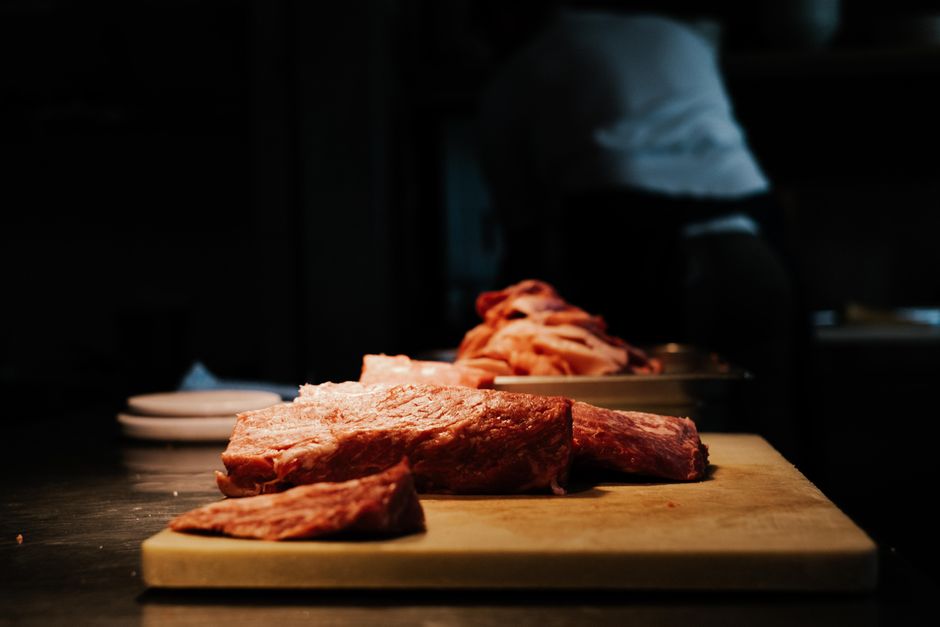
Meat is a direct source of complete protein because animal muscle tissue is built from the same amino acids your body needs. When you eat meat, you are consuming concentrated protein structures that your digestive system breaks down into amino acids, which your body then reassembles into its own proteins. Unlike plant foods, meat contains all nine essential amino acids in the right proportions your body cannot make on its own.
What Makes Meat a Complete Protein Source?
Proteins are chains of amino acids. Your body uses 20 different amino acids to build and repair tissues. Nine of these are called essential because your body cannot produce them — you must get them from food.
Meat provides all nine essential amino acids in one package. This is what nutrition scientists call a complete protein. The amino acid profile of meat closely matches what your body needs for muscle repair, enzyme production, and immune function.
Plant proteins like beans or rice are incomplete. They lack one or more essential amino acids. You can combine different plants to get all nine, but meat delivers them all at once. The protein in meat is also highly digestible. Research published in the Journal of Nutrition found that the body absorbs about 94% of the protein from meat compared to roughly 70% from beans.
How Much Protein Is Actually in Different Meats?
Protein content varies by meat type and cut. Here is a breakdown of common meats based on a 3-ounce cooked serving — roughly the size of a deck of cards.
| Meat Type | Protein (grams) | Calories | Fat (grams) |
|---|---|---|---|
| Chicken breast (skinless) | 26 | 140 | 3 |
| Beef sirloin (lean) | 25 | 180 | 8 |
| Pork loin (lean) | 24 | 170 | 7 |
| Ground beef (85% lean) | 22 | 215 | 13 |
| Turkey breast (skinless) | 25 | 125 | 1 |
| Lamb leg (lean) | 23 | 190 | 10 |
Notice that leaner cuts like chicken breast and turkey breast provide more protein per calorie. Fatty cuts still deliver protein but with more calories from fat. The USDA reports that a typical adult needs 0.8 grams of protein per kilogram of body weight daily. A 3-ounce serving of meat covers roughly one-third to one-half of that requirement for most people.
What Happens to Meat Protein in Your Body?
Digestion starts in your stomach. Stomach acid and an enzyme called pepsin begin breaking the long protein chains into smaller pieces. This process continues in your small intestine where pancreatic enzymes finish the job.
The final products are individual amino acids and small peptide chains. These pass through the intestinal wall into your bloodstream. Your liver then directs these amino acids to wherever they are needed — repairing muscle after exercise, building enzymes for digestion, or creating antibodies for immune defense.
The speed of digestion matters. Meat protein digests relatively slowly compared to whey protein shakes. This slow release provides a steady stream of amino acids over several hours. Some studies suggest this may support muscle maintenance better than rapid-digesting proteins, especially for older adults.
The protein digestibility corrected amino acid score (PDCAAS) for meat is near 1.0, the highest possible score. The World Health Organization uses this score to measure protein quality. Meat scores higher than almost all plant proteins except soy.



Does Cooking Change the Protein in Meat?
Cooking changes the structure of protein but not its amino acid content. Heat causes protein strands to unwind and re-form into new shapes. This is called denaturation. It is why raw meat is soft and cooked meat is firm.
Denaturation actually makes protein easier to digest. The unraveled strands are more accessible to digestive enzymes. A study in the Journal of Food Science found that cooking meat increased protein digestibility by 10-20% compared to raw meat.
Overcooking is a different story. High heat for long periods can damage some amino acids, particularly lysine. Grilling or frying at very high temperatures can create compounds called heterocyclic amines. The National Cancer Institute notes these compounds may be carcinogenic in high amounts. Moderate cooking at lower temperatures preserves protein quality while improving digestibility.
Raw meat diets are a trend that lacks strong evidence. The CDC warns that raw meat carries risks of bacterial infection like Salmonella and E. coli. The small protein benefit of eating raw meat does not outweigh these risks.
Why Does Meat Have Protein — What the Science Shows About Animal vs. Plant Sources
Meat has protein because animals build muscle tissue the same way humans do. The protein in animal muscle is structurally similar to human muscle. This biological similarity is why meat provides such a usable protein source.
Plant proteins differ in several ways. Most plant proteins are stored in seeds or leaves as part of the plant’s structure. These proteins often have different amino acid ratios than what human bodies need. Grains are low in lysine. Legumes are low in methionine. Corn is low in tryptophan. Meat has all of these in balanced amounts.
There is also the issue of antinutrients. Plants contain compounds like phytates and lectins that can reduce protein absorption. Meat has no antinutrients. The iron in meat, called heme iron, also enhances protein utilization. Research from the American Society for Nutrition shows that heme iron is absorbed 2-3 times better than the non-heme iron in plants.
This does not mean plant protein is bad. Many people meet their protein needs with plant-based diets. It just requires more planning and often larger portions. The average person needs about 50-60 grams of protein daily. Getting that from plants means eating larger volumes of food compared to meat.
Common Misconceptions About Meat Protein
Misconception: Red meat protein causes cancer. The International Agency for Research on Cancer classifies processed meat as a Group 1 carcinogen and red meat as Group 2A, meaning probably carcinogenic. This is based on colorectal cancer risk. The risk is linked to high consumption — over 100 grams daily — and to compounds formed during high-heat cooking. Moderate consumption of lean red meat does not carry the same risk. The protein itself is not the problem.
Misconception: You need meat protein to build muscle. This is false. Many athletes build muscle on plant-based diets. The key is total protein intake and amino acid timing, not the source. Vegan bodybuilders exist and succeed. Meat makes it easier but is not required.
Misconception: All meat protein is the same. Different meats have different amino acid profiles. Organ meats like liver are rich in specific amino acids and vitamins. Fish provides omega-3s alongside protein. Chicken is leaner. The differences matter for overall nutrition but all meats provide complete protein.
Misconception: Protein from meat causes kidney damage. This myth comes from studies on people with existing kidney disease. For healthy kidneys, high protein intake is not harmful. A review in the Journal of the International Society of Sports Nutrition found no evidence that high protein diets damage healthy kidneys. The concern applies only to people with pre-existing kidney problems.
What to Look For When Choosing Meat for Protein
Quality matters but not in the way marketing suggests. Grass-fed beef and conventional beef have nearly identical protein content. The difference is in fat profile and some micronutrients, not protein.
Focus on these factors instead:
- Lean cuts give more protein per calorie. Look for “loin” or “round” in beef and pork.
- Skinless poultry has the highest protein density.
- Processing adds sodium and preservatives but does not change protein content significantly.
- Fresh and frozen meats have the same protein content. Freezing does not damage protein.
- Ground meat labels show fat percentage. 93% lean ground beef has more protein per serving than 70% lean.
The USDA recommends choosing lean meats to limit saturated fat intake. This is a heart health recommendation, not a protein concern. If you are watching saturated fat, choose poultry and fish more often than red meat.
Frequently Asked Questions
Does cooking destroy protein in meat?
No, cooking does not destroy protein. It changes the protein structure which actually makes it easier to digest.
How much meat do I need to eat for enough protein?
A 3-ounce serving of most meats provides 22-26 grams of protein, which covers about one-third of daily needs for an average adult.
Is plant protein as good as meat protein?
Plant protein is generally less complete and less digestible than meat protein, but you can meet all your protein needs with a well-planned plant-based diet.
Does organic meat have more protein than conventional meat?
No, organic and conventional meats have nearly identical protein content. The main differences are in fat composition and production practices.
