
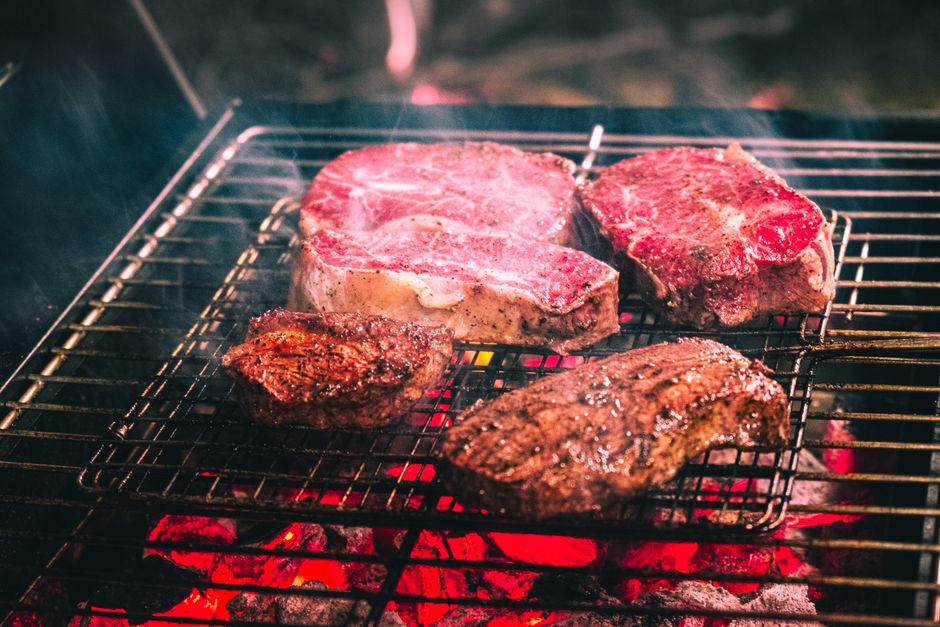
You have probably heard that steak is a lean protein. But you have also probably eaten a fatty ribeye that felt anything but light. So which is it? The short answer is that steak can be a lean protein, but it completely depends on the cut you choose and how you prepare it. A 3-ounce serving of top sirloin has about 3 grams of fat, while the same size ribeye has around 12 grams. That is a big difference. Calling all steak “lean” is like calling all fish “skinny” — it just is not accurate.
What Makes a Steak a Lean Protein?
The United States Department of Agriculture (USDA) has a specific definition for lean meat. To qualify as lean, a 3.5-ounce (100-gram) serving of cooked meat must have less than 10 grams of total fat, less than 4.5 grams of saturated fat, and less than 95 milligrams of cholesterol. For extra-lean, the limits drop to less than 5 grams of total fat and less than 2 grams of saturated fat per serving.
Many cuts of steak meet these standards. But many do not. The fat content is what decides whether a steak is lean or not. Marbling — the white streaks of fat inside the muscle — adds flavor and tenderness but also adds fat grams quickly. A lean steak has minimal marbling. A fatty steak has lots of it.
Protein content stays fairly consistent across cuts. A 3-ounce serving of most beef provides about 22 to 26 grams of protein. The difference is not in how much protein you get. It is in how much fat comes along with it.
Which Cuts of Steak Are Actually Lean?
If you want a lean steak, you need to look for cuts from the round or the loin. These areas of the cow get more exercise. Less fat builds up there. Here are the leanest cuts based on USDA data:
- Top sirloin steak — about 3 grams of fat per 3-ounce serving. It is tender enough for grilling and has good beef flavor.
- Eye of round — about 4 grams of fat. This is one of the leanest cuts. It can be tough if overcooked. Slice it thin against the grain.
- Bottom round roast (or steak) — about 5 grams of fat. Best cooked low and slow or marinated.
- Flank steak — about 6 grams of fat. It has a coarse grain but big flavor. Slice across the grain for tenderness.
- Skirt steak — about 7 grams of fat. Slightly higher in fat than flank, but still a lean option if you trim visible fat.
For comparison, a 3-ounce ribeye steak has about 12 grams of fat. A T-bone or porterhouse has about 10 to 11 grams. A New York strip has around 8 to 9 grams. These are not lean by USDA standards. They are moderate to high in fat.
How Does Cooking Method Affect the Leanness of Steak?
Even a lean cut can become a high-fat meal depending on how you cook it. The way you prepare steak changes its nutritional profile. You cannot ignore this if you are tracking fat intake.
Grilling, broiling, and pan-searing with minimal oil keep the fat content low. These methods allow fat to drip away from the meat. If you cook a lean cut like top sirloin on a grill with no added butter or oil, the fat content stays close to the raw value. The USDA data for cooked lean beef already accounts for some fat loss during cooking, so you can trust those numbers.
Frying in butter or oil adds significant fat. A tablespoon of butter has about 11 grams of fat, mostly saturated. If you sear a lean steak in butter, you are essentially adding a ribeye’s worth of fat to a sirloin. The same applies to heavy marinades made with oil or creamy sauces. A lean steak covered in blue cheese dressing or a butter sauce is no longer a lean meal.
Trimming visible fat before or after cooking also matters. The USDA defines lean meat based on the edible portion after trimming. If you eat the fat cap or the edge fat, you are increasing your fat intake. Trimming it off removes a measurable amount of saturated fat.



Is Steak a Lean Protein Compared to Chicken or Fish?
Skinless chicken breast is the gold standard for lean protein. A 3-ounce serving has about 3 grams of fat and 26 grams of protein. Some cuts of steak come very close to that. Top sirloin and eye of round have similar fat content to chicken breast. The protein content is nearly identical.
Fish like cod, tilapia, and tuna are also very lean. A 3-ounce serving of cod has less than 1 gram of fat. That is lower than any cut of steak. But fatty fish like salmon have about 7 grams of fat per serving. That is comparable to flank steak. The difference is that salmon fat is mostly unsaturated, while beef fat is about half saturated.
Pork tenderloin is another lean option. A 3-ounce serving has about 3 grams of fat. It is as lean as top sirloin and often cheaper. If you are comparing lean protein sources, steak is not automatically worse than poultry or fish. It depends entirely on the cut. A lean cut of steak is nutritionally similar to chicken breast. A fatty cut is not.
One thing to keep in mind is that red meat provides nutrients you do not get as easily from chicken or fish. Beef is one of the best sources of heme iron, which your body absorbs more efficiently than the iron in plants. It also provides zinc, vitamin B12, and creatine. These nutrients matter for energy, immune function, and muscle health. A lean steak gives you these benefits without the high fat load of a ribeye.
The table below shows a direct comparison of common protein sources. Values are for a 3-ounce cooked serving with visible fat trimmed.
| Protein Source | Total Fat (grams) | Saturated Fat (grams) | Protein (grams) |
|---|---|---|---|
| Skinless chicken breast | 3 | 1 | 26 |
| Top sirloin steak | 3 | 1.2 | 25 |
| Eye of round steak | 4 | 1.5 | 24 |
| Pork tenderloin | 3 | 1 | 24 |
| Cod fillet | 0.7 | 0.1 | 20 |
| Salmon fillet | 7 | 1.5 | 22 |
| Ribeye steak | 12 | 4.5 | 24 |
What Are Common Misconceptions About Lean Steak?
One common myth is that grass-fed beef is automatically leaner than grain-fed beef. Research published in the Journal of Animal Science has found that grass-fed beef does tend to have a slightly different fat profile. It often contains more omega-3 fatty acids and less total fat. But the difference is small. A grass-fed ribeye is still a high-fat steak. The cut matters far more than the diet of the cow.
Another misconception is that “lean” ground beef is a healthy choice for steak lovers. Ground beef labeled 90% lean still has 10 grams of fat per 3-ounce serving. That is more fat than a top sirloin steak. And ground beef labeled 93% lean has 7 grams of fat. It is better, but still not as lean as whole cuts like eye of round. If you want the leanest beef option, choose a whole cut rather than ground.
Some people also believe that all red meat is bad for heart health. The evidence does not support that blanket claim. The American Heart Association recommends limiting saturated fat, not eliminating red meat entirely. A 3-ounce serving of lean beef fits within those guidelines. The problem is portion size and frequency. A 12-ounce ribeye at a steakhouse provides about 48 grams of fat. That is more than most people should eat in an entire day. But a 3-ounce lean steak a few times per week is not a concern for most healthy adults.
Research published in the American Journal of Clinical Nutrition has shown that replacing carbohydrates with lean protein, including lean beef, can improve cardiovascular risk factors. The issue is not beef itself. It is the fat content and the quantity.
How to Choose and Prepare a Lean Steak
If you want to include steak in a diet focused on lean protein, start at the store. Look for cuts labeled “round” or “loin.” These are your best bets. Avoid cuts with the word “rib” in the name. Those are almost always higher in fat. Check the label for the lean percentage if buying ground beef. But remember that whole cuts are generally leaner.
Trim any visible fat before cooking. A sharp knife makes this easy. You can remove the fat cap and any large pieces of edge fat. This alone can reduce the fat content by 20 to 30 percent depending on the cut.
Cook with high heat for a short time to keep the meat tender. Lean cuts dry out faster than fatty ones. A hot grill or cast iron pan for 3 to 4 minutes per side is usually enough for a 1-inch steak. Let the steak rest for 5 minutes before slicing. This keeps the juices inside.
Season simply. Salt and pepper are enough. If you want more flavor, use a dry rub with spices like paprika, garlic powder, or chili powder. Avoid oil-based marinades if you are strictly counting fat. A marinade made with vinegar, citrus juice, and herbs adds flavor without adding fat.
Slice lean steak against the grain. This shortens the muscle fibers and makes the meat easier to chew. It is the difference between a tough bite and a tender one. For cuts like flank or round, this step matters a lot.
Portion control is also important. A serving of steak is 3 ounces, which is about the size of a deck of cards. Most restaurant servings are 8 to 12 ounces. If you eat out, consider taking half home. Or split a steak with someone else.
Frequently Asked Questions
Is sirloin steak a lean protein?
Yes, top sirloin steak is considered a lean protein by USDA standards. A 3-ounce cooked serving has about 3 grams of total fat.
Can you eat steak on a low-fat diet?
Yes, if you choose lean cuts like eye of round or top sirloin and trim visible fat. Keep portions to 3 ounces and avoid added fats during cooking.
Is ribeye steak lean?
No, ribeye is not lean. A 3-ounce serving has about 12 grams of fat, which is more than double the USDA limit for lean meat.
What is the leanest cut of steak?
The leanest cut is the eye of round, with about 4 grams of fat per 3-ounce serving. Top sirloin and bottom round are also very lean options.
