
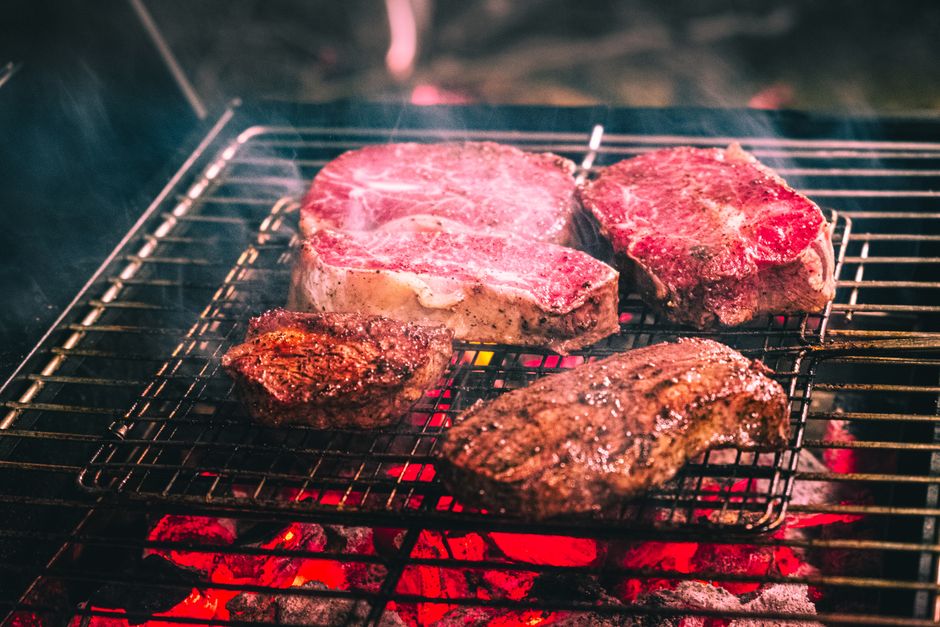
When people ask what meat is highest in protein, the short answer is chicken breast, turkey breast, and lean cuts of beef like top round or sirloin. Chicken breast leads with about 31 grams of protein per 100 grams cooked. Turkey breast is close behind at 29 grams. Lean beef cuts like top round steak provide roughly 28 to 30 grams per 100 grams. Pork loin and venison also rank high. This article ranks the top protein-dense meat cuts based on actual nutritional data, not marketing claims.
What Meat Cut Has the Most Protein per Serving?
Chicken breast without skin is the winner. A 100-gram serving of cooked skinless chicken breast contains about 31 grams of protein. That is one of the highest protein densities in any whole food. Turkey breast is nearly identical at 29 to 30 grams per 100 grams cooked. Both are lean meats with minimal fat, which keeps the protein percentage high.
Beef cuts vary more. A top round steak, also called London broil, provides roughly 28 to 30 grams of protein per 100 grams cooked. Sirloin steak is similar at 27 to 29 grams. Ribeye and T-bone steaks have more fat, so protein per gram drops to about 24 to 26 grams. Pork tenderloin is a strong option at 26 to 27 grams per 100 grams cooked. Venison, or deer meat, matches chicken at around 30 grams per 100 grams, but it is less commonly available.
The key takeaway is that leaner cuts consistently deliver more protein per bite. Fat dilutes the protein content. So a fatty ribeye has less protein per gram than a lean top round, even though both come from beef.
How Does Protein Density Compare Across Meats?
To make this clear, here is a comparison of protein per 100 grams for common cooked meats. Values come from the USDA FoodData Central database.
| Meat Cut | Protein (grams per 100g cooked) | Fat (grams per 100g cooked) |
|---|---|---|
| Chicken breast (skinless) | 31 | 3.6 |
| Turkey breast (skinless) | 29 | 2.5 |
| Top round beef (lean) | 29 | 5.0 |
| Venison (lean) | 30 | 3.0 |
| Pork tenderloin | 26 | 4.5 |
| Sirloin steak (beef) | 27 | 7.0 |
| Ground beef (90% lean) | 26 | 10 |
| Ribeye steak | 24 | 18 |
| Lamb chop (lean) | 25 | 12 |
| Pork shoulder | 22 | 16 |
Notice the pattern. Meats with less fat have more protein per gram. This matters if you are counting protein for muscle building, weight management, or medical needs. A ribeye may taste richer, but you get less protein for the same weight compared to a chicken breast.
Does Cooking Method Change the Protein Content?
Yes, but not in the way most people think. Cooking does not destroy protein in any meaningful amount. The protein content per 100 grams can change because of moisture loss. When you grill or roast meat, water evaporates. The meat becomes denser, so protein per gram goes up slightly. Boiling or braising retains more water, so the protein per gram stays lower.
For example, raw chicken breast has about 23 grams of protein per 100 grams. After roasting, it rises to 31 grams per 100 grams because water is lost. The total amount of protein in the whole piece stays the same. You are not gaining or losing protein. You are just concentrating it.
Frying adds fat and sometimes breading, which dilutes the protein percentage. A breaded and fried chicken breast has less protein per gram than a plain roasted one. If your goal is maximum protein per bite, stick to dry-heat methods like grilling, baking, or roasting without added oils or coatings.

What About Organ Meats and Less Common Options?
Organ meats are surprisingly high in protein. Beef liver has about 29 grams of protein per 100 grams cooked. Chicken liver is slightly lower at 25 grams. Heart meat from beef or chicken is also protein-dense, with around 26 to 28 grams per 100 grams. These cuts are often cheaper and more nutrient-dense than muscle meat, but many people avoid them due to taste or texture.
Game meats like bison, elk, and wild boar are also high in protein. Bison steak has about 28 grams per 100 grams. Elk is similar. These meats are leaner than most farmed beef, so the protein density is higher. They are less available in regular grocery stores but can be found in specialty markets or ordered online.
One non-obvious point: skin on poultry adds fat without adding protein. Removing the skin before cooking boosts the protein percentage. A chicken thigh with skin has about 24 grams of protein per 100 grams. Without skin, it rises to 26 grams. Small differences add up over multiple meals.
What Are Common Misconceptions About High-Protein Meats?
The biggest myth is that red meat is always higher in protein than poultry. As the table shows, lean beef cuts are close to chicken, but fatty cuts like ribeye fall behind. Another myth is that pork is too fatty to be a good protein source. Pork tenderloin is actually one of the leanest meats available and is comparable to chicken breast in protein density.
Some people believe that grass-fed beef has significantly more protein than grain-fed beef. Research published in the Journal of Animal Science found that the difference in protein content between grass-fed and grain-fed beef is minimal, typically less than 1 gram per 100 grams. The real difference is in the fat profile, not the total protein.
Another widespread claim is that “game meats have double the protein of beef.” This is false. Venison has about 30 grams per 100 grams, which is only slightly higher than lean beef at 28 to 29 grams. It is a meaningful difference for athletes tracking every gram, but not a doubling. Always check actual numbers rather than trusting headlines.
What Meat Is Highest In Protein Top Cuts Ranked for Different Goals?
If your goal is pure protein density with the least fat, the ranking is clear:
- Chicken breast (skinless) – 31g protein per 100g. The standard for lean protein.
- Turkey breast (skinless) – 29g. Nearly identical to chicken.
- Venison (lean cuts) – 30g. Excellent if available.
- Top round beef – 29g. Best lean beef option.
- Pork tenderloin – 26g. Underrated lean protein source.
- Sirloin steak – 27g. Good balance of flavor and protein.
- Ground beef (93% lean or higher) – 26g. Works for burgers and tacos.
- Ribeye steak – 24g. Lower protein but more flavor and fat.
For people who need high protein for muscle repair or weight loss, chicken breast and top round beef are the most practical choices. They are widely available, affordable, and easy to cook. For those who want variety, turkey breast, pork tenderloin, and bison are solid alternatives.
If you are watching saturated fat intake, the American Heart Association recommends limiting red meat. Chicken and turkey breast are the best options in that case. If you tolerate red meat well, lean cuts like top round and sirloin are fine in moderation. There is no single “best” meat for everyone. Your choice depends on your health status, budget, and taste preferences.
Frequently Asked Questions
Is chicken or beef higher in protein?
Chicken breast has about 31 grams of protein per 100 grams cooked, which is slightly higher than lean beef at 28 to 30 grams. Fatty beef cuts like ribeye have significantly less protein per gram than chicken.
What is the leanest meat with the most protein?
Skinless chicken breast and turkey breast are the leanest high-protein meats. They have less than 4 grams of fat per 100 grams while providing 29 to 31 grams of protein.
Does cooking meat reduce protein content?
Cooking does not destroy protein. The protein per gram can increase slightly due to moisture loss, but the total protein in the meat stays the same.
What meat has the highest protein per dollar?
Chicken breast and ground turkey are typically the most affordable high-protein meats. Pork tenderloin and lean ground beef are also cost-effective options depending on local prices.
