
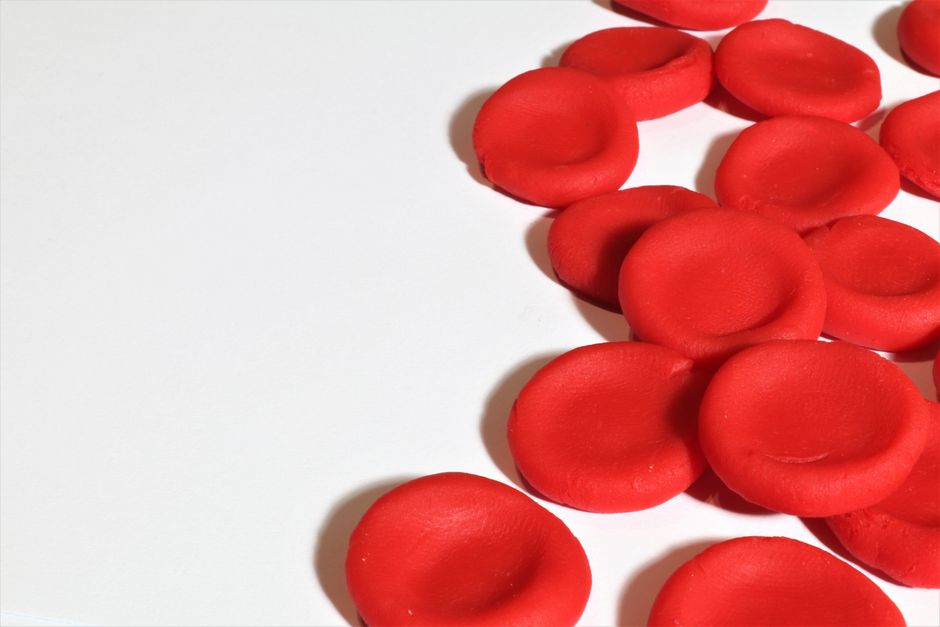
A low red blood cell count means your body has fewer oxygen-carrying cells than it should. Red blood cells contain hemoglobin, the protein that picks up oxygen in your lungs and delivers it to every tissue in your body. When that number drops, your organs get less oxygen, which is why fatigue and shortness of breath are the most common symptoms.
Why Is Your Red Blood Cell Count Low?
A low red blood cell count almost always comes down to one of three problems: your body is losing red blood cells, destroying them too quickly, or not making enough of them. Doctors call this anemia, and it is one of the most common medical findings in the world.
The complete blood count (CBC) is the test that reveals it. For adult men, a normal red blood cell count is roughly 4.5 to 5.9 million cells per microliter. For adult women, it is about 4.1 to 5.1 million. These ranges can shift slightly depending on the lab, your altitude, and your hydration level.
What matters is not just the number. Your doctor will also look at hemoglobin, hematocrit, and the size of your red blood cells. Those details point toward the cause.
What Are the Most Common Causes?
Iron deficiency is the leading cause worldwide. Iron is the core of hemoglobin. Without enough of it, your bone marrow cannot build red blood cells properly, even if everything else is in place.
Blood loss is the most common reason people become iron deficient in the first place. In women of reproductive age, heavy menstrual bleeding is a frequent cause. In men and postmenopausal women, doctors look carefully at the digestive tract, because slow bleeding from the stomach or colon can quietly drain iron stores over months.
Other common causes include:
- Vitamin B12 or folate deficiency — both are needed to make healthy red blood cells, and a shortage leads to cells that are large and poorly formed.
- Chronic kidney disease — the kidneys produce erythropoietin, a hormone that signals the bone marrow to make red blood cells. Damaged kidneys make less of it.
- Chronic inflammation or infection — conditions like rheumatoid arthritis, inflammatory bowel disease, and some cancers can interfere with how the body uses iron.
- Bone marrow disorders — aplastic anemia, myelodysplastic syndromes, and other conditions can reduce production directly.
- Genetic conditions — sickle cell disease and thalassemia affect how red blood cells are built and how long they survive.
- Medications and treatments — some drugs suppress the bone marrow, and chemotherapy commonly lowers red blood cell production.
How Do You Know If Your Count Is Low?
You often do not know. Mild anemia can cause no symptoms at all and show up only on a routine blood test. When symptoms do appear, they tend to build gradually.
The most common signs are fatigue that does not improve with rest, pale skin, shortness of breath with mild activity, dizziness, and a fast or irregular heartbeat. Some people notice cold hands and feet, headaches, or difficulty concentrating. A rare symptom called pica — craving ice, dirt, or starch — is sometimes linked to iron deficiency.
Severity matters. Mild anemia may be barely noticeable. Severe anemia can strain the heart and, in extreme cases, become life-threatening. Symptoms alone cannot tell you how low your count is. Only a blood test can.





What Does the Size of Your Red Blood Cells Tell You?
Doctors use a measurement called MCV (mean corpuscular volume) to classify anemia by cell size. This single number narrows the list of possible causes faster than almost anything else.
| MCV Category | MCV Range | Common Causes |
|---|---|---|
| Microcytic (small cells) | Below 80 fL | Iron deficiency, thalassemia, chronic disease |
| Normocytic (normal size) | 80–100 fL | Kidney disease, blood loss, chronic disease, bone marrow problems |
| Macrocytic (large cells) | Above 100 fL | B12 deficiency, folate deficiency, alcohol use, some medications |
This is a simplification. Real cases can overlap, and your doctor will use additional tests — ferritin, B12, folate, reticulocyte count — to confirm the cause. But knowing the cell size gives a strong first clue.
When Should You See a Doctor?
See a doctor if a blood test shows a low red blood cell count, even if you feel fine. The cause needs to be identified. Some causes are easily corrected with diet or supplements. Others, including internal bleeding and bone marrow disorders, need prompt attention.
Go sooner if you have chest pain, severe shortness of breath, fainting, or a rapid heartbeat that will not settle. These can signal that your body is not getting enough oxygen and needs urgent care.
Do not start iron supplements on your own based on symptoms alone. Taking iron when you do not need it can mask other problems and cause side effects. The right treatment depends entirely on the cause.
How Is Low Red Blood Cell Count Treated?
Treatment depends on what is causing it. There is no single fix.
For iron deficiency, doctors typically recommend iron supplements, sometimes along with vitamin C to improve absorption. The dose and duration depend on how severe the deficiency is and what is causing it. Iron-rich foods — red meat, poultry, beans, lentils, spinach, and fortified cereals — help, but diet alone often cannot correct a significant deficiency.
For B12 deficiency, treatment usually involves B12 injections or high-dose oral supplements, depending on the cause. For folate deficiency, folic acid supplements are standard. When kidney disease is the cause, doctors may prescribe synthetic erythropoietin to stimulate red blood cell production.
In severe cases, a blood transfusion may be needed to raise red blood cell levels quickly. This is generally reserved for situations where the anemia is causing significant symptoms or risking organ damage.
For anemia caused by chronic disease or bone marrow disorders, treatment focuses on the underlying condition. This can be more complex and may involve specialists.
Can You Prevent a Low Red Blood Cell Count?
You cannot prevent every cause. Genetics, kidney disease, and some cancers are not within your control. But you can reduce your risk of the most common type — iron deficiency anemia.
Eating a diet with enough iron is the foundation. Heme iron from meat, poultry, and fish is absorbed more easily than non-heme iron from plant sources. Pairing plant iron with vitamin C — a squeeze of lemon on lentils, for example — improves absorption. Avoiding tea or coffee right after an iron-rich meal also helps, since compounds in both can reduce iron uptake.
If you have heavy periods, talk to your doctor about monitoring your iron levels. If you are pregnant, your iron needs increase substantially, and your doctor will likely check your levels as part of routine prenatal care. If you have a condition that affects absorption, such as celiac disease or Crohn’s disease, regular monitoring is important.
No diet or supplement can prevent anemia caused by internal bleeding or bone marrow failure. That is why a low count always deserves a real diagnosis, not just a dietary fix.
Frequently Asked Questions
What is the most common cause of a low red blood cell count?
Iron deficiency is the most common cause worldwide, usually from blood loss or not getting enough iron in the diet. Heavy menstrual bleeding and slow gastrointestinal bleeding are frequent sources of that blood loss.
Can a low red blood cell count be serious?
Yes, it can be. Mild anemia is often manageable, but severe or worsening anemia can strain the heart and reduce oxygen to vital organs. The underlying cause also matters — some causes are minor, while others require urgent treatment.
Can I raise my red blood cell count with food alone?
Diet can help prevent or mildly improve iron deficiency, but it is usually not enough to correct a significant deficiency on its own. Most people with diagnosed iron deficiency anemia need iron supplements or medical treatment.
Does a low red blood cell count always mean anemia?
A low count is the main finding in anemia, but the diagnosis also depends on hemoglobin and hematocrit levels. Your doctor will interpret all three together, along with other tests, to confirm what is happening.
