
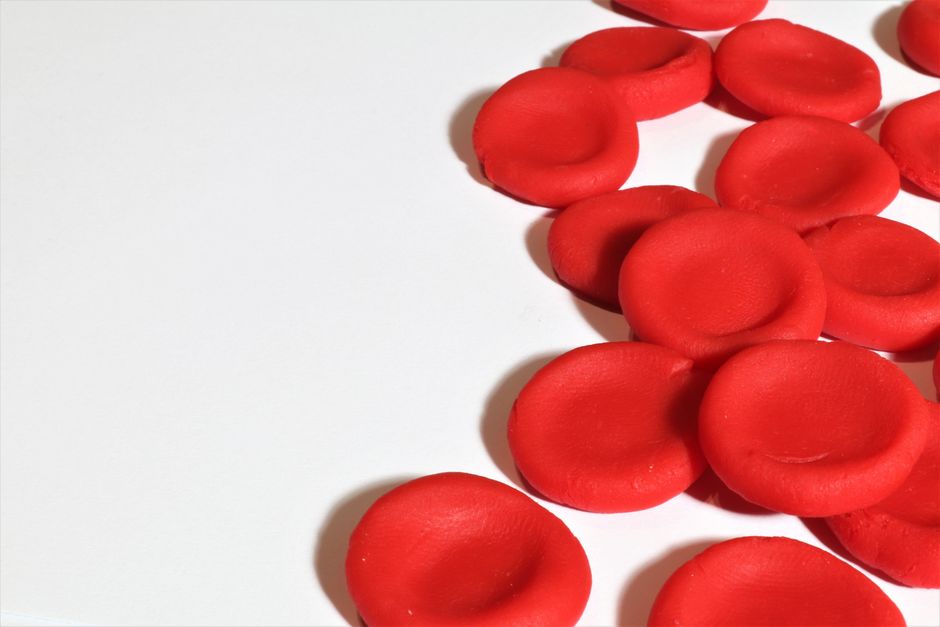
A low red blood cell count means your body isn’t making enough oxygen-carrying cells, is losing them faster than it can replace them, or both at once. Red blood cells contain hemoglobin, the protein that picks up oxygen in your lungs and delivers it to every tissue in your body. When that supply drops, the result is anemia — and the causes range from a simple nutrient shortage to slow blood loss to a bone marrow problem.
The specific cause matters more than the number itself. Two people with the same hemoglobin level can have completely different underlying problems, and the right next step depends entirely on which one is happening.
What Causes Low Red Blood Cell Count?
Doctors sort the causes into three broad groups: not enough red blood cells being produced, too many being destroyed or lost, and a combination of both. This framework is called the production-loss model, and it guides almost every anemia workup.
Problems with production happen when the bone marrow — the spongy tissue inside your bones where blood cells are made — lacks what it needs or is being suppressed.
- Iron deficiency. Iron is the core of the hemoglobin molecule. Without enough, the marrow can’t finish building red blood cells.
- Vitamin B12 or folate deficiency. Both are required for red blood cells to mature properly. Without them, the marrow produces large, poorly functioning cells.
- Chronic kidney disease. The kidneys produce erythropoietin, a hormone that signals the marrow to make red blood cells. Damaged kidneys make less of it.
- Bone marrow disorders. Conditions that affect the marrow itself, including aplastic anemia and myelodysplastic syndromes, reduce production directly.
- Chronic inflammation or infection. Inflammatory signals can suppress erythropoietin and interfere with iron use, even when iron stores are adequate.
Problems with loss or destruction happen when red blood cells leave the bloodstream or are broken down too quickly.
- Bleeding. This is the most common cause of iron deficiency in adults. It can be obvious or hidden — heavy menstrual periods, bleeding ulcers, or slow blood loss from the digestive tract.
- Hemolysis. Red blood cells can be destroyed faster than the marrow can replace them. Causes include certain inherited conditions, autoimmune reactions, and some infections.
- Enlarged spleen. The spleen filters blood and removes old red blood cells. When it enlarges, it can remove healthy ones too.
In many people, more than one process is happening. A person with kidney disease and poor nutrition may have both a hormone problem and a nutrient shortage.
How Do You Know If Your Red Blood Cell Count Is Low?
A complete blood count is the test that answers this. It measures hemoglobin, hematocrit, and red blood cell count directly. For adult men, a hemoglobin below 13.5 g/dL is generally considered low. For adult women, the threshold is below 12.0 g/dL. These cutoffs come from standard hematology references and are widely used in clinical practice.
Red blood cells are also described by size, measured as MCV (mean corpuscular volume). The normal range is roughly 80 to 100 femtoliters. This single number narrows the cause list considerably:
- Small cells (low MCV) point toward iron deficiency or a genetic hemoglobin disorder.
- Large cells (high MCV) point toward B12 or folate deficiency, alcohol use, or certain medications.
- Normal-sized cells can occur with kidney disease, chronic inflammation, or blood loss.
Doctors also look at reticulocytes — young red blood cells newly released from the marrow. A high reticulocyte count means the marrow is responding and the problem is likely loss or destruction. A low count means the marrow itself isn’t keeping up.
What Symptoms Point to a Low Red Blood Cell Count?
Symptoms come from reduced oxygen delivery, and they tend to appear gradually. Many people don’t notice anything until the count has dropped substantially, because the body compensates by increasing heart rate and rerouting blood flow.
Common symptoms include:
- Fatigue and weakness that doesn’t improve with rest
- Shortness of breath, especially with activity
- Pale skin, particularly on the face, palms, or inside the lower eyelids
- Dizziness or lightheadedness
- Fast or irregular heartbeat
- Cold hands and feet
- Headaches
One detail worth knowing: symptom severity doesn’t always match the lab number. Someone whose count dropped slowly over months may feel relatively normal at a level that would leave another person struggling. The body adapts. That’s why the lab result, not just how you feel, drives the evaluation.





Why Does Iron Deficiency Cause Low Red Blood Cell Count?
Iron deficiency is the most common cause worldwide, and it’s worth understanding why it has such a direct effect. Each hemoglobin molecule contains four iron atoms. Iron is what actually binds oxygen. Without enough iron, the marrow simply cannot build functional hemoglobin, even if everything else is in place.
The deficiency usually develops in stages. Iron stores in the liver and bone marrow are depleted first. Hemoglobin stays normal during this phase. Only when stores are exhausted does the hemoglobin start to fall. This means a normal hemoglobin level does not rule out iron deficiency — it may just mean the deficiency hasn’t progressed far enough yet.
In adults, iron deficiency is often a sign of something else rather than a problem in itself. In menstruating women, heavy periods are a frequent cause. In men and postmenopausal women, slow blood loss from the digestive tract is a concern that doctors typically investigate, because it can come from a source that isn’t obvious.
What Else Can Lower Red Blood Cell Count?
Several other conditions and situations affect red blood cell production or survival, and they don’t always fit neatly into the categories above.
Pregnancy expands blood plasma volume more than red blood cell mass. This dilutes the concentration of red blood cells and can produce a mild drop in hemoglobin that is considered normal in pregnancy. True anemia during pregnancy has separate causes and thresholds, and it should be evaluated by a clinician rather than assumed to be dilution alone.
Medications can suppress the marrow or cause bleeding. Some chemotherapy drugs, certain antibiotics, and long-term use of nonsteroidal anti-inflammatory drugs are examples. Anyone taking a medication that lists anemia as a possible effect should discuss monitoring with their prescriber.
Chronic diseases such as rheumatoid arthritis, lupus, cancer, and chronic infections can cause what’s called anemia of inflammation. The mechanism is partly a shortage of usable iron and partly reduced erythropoietin signaling. It’s a distinct pattern from simple iron deficiency, and it doesn’t respond to iron supplements in the same way.
Inherited conditions affect how red blood cells are built or how long they survive. Thalassemias and sickle cell disease are the most common examples. These are present from birth, though they may not be diagnosed until later.
Alcohol use can affect red blood cells in more than one way. It can interfere with folate absorption and directly suppress marrow function. People who drink heavily often have enlarged red blood cells alongside other abnormalities.
When Should You See a Doctor?
A low red blood cell count found on a routine blood test should always be evaluated. The number alone doesn’t tell you the cause, and some causes are serious enough that waiting isn’t wise.
Seek medical attention promptly if you have:
- Chest pain or severe shortness of breath
- Fainting or near-fainting
- Rapid heartbeat that doesn’t settle with rest
- Blood in your stool or vomit, or black tarry stools
- Unexplained bruising or bleeding
For less urgent situations, a low count is typically investigated with additional blood tests — iron studies, vitamin B12 and folate levels, kidney function, and sometimes a reticulocyte count. Depending on what those show, a doctor may recommend further testing to look for a source of blood loss.
The key point is that a low red blood cell count is a finding, not a diagnosis. It tells you something is off. Finding out what requires looking at the whole picture.
Frequently Asked Questions
What is the most common cause of low red blood cell count?
Iron deficiency is the most common cause worldwide. In adults, it is often linked to blood loss — heavy menstrual periods in women or slow bleeding in the digestive tract in men and postmenopausal women.
Can low red blood cell count be caused by diet alone?
Yes, diets low in iron, vitamin B12, or folate can lead to anemia over time. However, in adults, dietary shortage is less often the sole cause than blood loss or an absorption problem, so the underlying reason still needs to be identified.
Does a low red blood cell count always mean anemia?
Not necessarily. Anemia is defined by low hemoglobin or hematocrit, and the red blood cell count is one part of that picture. A low count with normal hemoglobin can occur, and it may or may not be significant depending on the full blood count results.
Can low red blood cell count be reversed?
Many causes are treatable once identified — iron or vitamin replacement, treating an underlying infection or inflammatory condition, or addressing a source of bleeding. Whether it can be fully reversed depends on the specific cause and whether it is reversible.
