

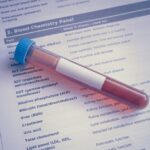
Sickle cell disease is diagnosed through blood tests that examine hemoglobin, the oxygen-carrying protein inside red blood cells. The first test is usually a screening test, which tells you whether an abnormal hemoglobin is present. A second, more specific test called hemoglobin electrophoresis confirms the exact type. In the United States, newborn screening catches most cases within the first few days of life, before symptoms even begin.
How To Diagnose Sickle Cell Blood Tests And Screening
Diagnosis rests on identifying an abnormal form of hemoglobin known as hemoglobin S. A screening test can flag that something is different, but it cannot tell you the precise pattern. For that you need a confirmatory test. This two-step approach — screen first, confirm second — is standard practice because screening tests are fast and inexpensive, while confirmation tests are more precise.
The most common screening method is called high-performance liquid chromatography, or HPLC. It separates different types of hemoglobin based on their chemical properties. Another screening approach uses a test called sickle solubility testing, sometimes called a sickle dex test. This test detects hemoglobin S but cannot distinguish sickle cell trait from sickle cell disease, and it cannot identify other abnormal hemoglobins. For that reason, solubility testing alone is not enough to make a diagnosis.
Confirmation typically comes from hemoglobin electrophoresis. This test applies an electric current to a blood sample, causing different hemoglobin types to move at different speeds. The pattern that results shows exactly which hemoglobins are present and in what proportions. A related method called isoelectric focusing works on a similar principle and is also used for confirmation.
In some cases, a laboratory may use DNA testing to look at the HBB gene directly. This gene carries the instructions for making the beta-globin chain of hemoglobin. A specific mutation in this gene causes hemoglobin S. Genetic testing is not routine for initial diagnosis, but it can be useful in unusual cases or for prenatal diagnosis.
What Does Newborn Screening for Sickle Cell Disease Involve?
Every state in the US requires newborn screening for sickle cell disease. A few drops of blood are collected from the baby’s heel, usually within 24 to 48 hours after birth. The blood is sent to a state laboratory, where it is tested for hemoglobin S and other abnormal hemoglobins.
Newborn screening is a screening test, not a final diagnosis. If the result is abnormal, the baby’s doctor will order a confirmatory test, usually hemoglobin electrophoresis or HPLC. This second test is typically done within the first few weeks of life.
One important detail: newborn screening can occasionally miss a diagnosis or produce a false result. Premature babies, babies who have received a blood transfusion, or babies with certain other conditions may have results that are harder to interpret. Any abnormal or unclear result should be followed up with a confirmatory test.
Newborn screening has significantly reduced the number of children who die from undiagnosed sickle cell complications in early childhood. Early identification allows preventive measures, such as penicillin prophylaxis and vaccinations, to begin before serious infections occur.
What Is the Difference Between Sickle Cell Trait and Sickle Cell Disease?
Sickle cell trait means a person has one copy of the hemoglobin S gene and one normal copy. Sickle cell disease means a person has two copies of the hemoglobin S gene, or one copy of hemoglobin S plus another abnormal hemoglobin gene.
This distinction matters because the two conditions are not the same in terms of health effects. People with sickle cell trait usually have no symptoms and live normal lives. They can pass the gene to their children. In rare situations — such as extreme dehydration, very high altitude, or intense physical exertion — some people with sickle cell trait may experience complications, but this is uncommon.
People with sickle cell disease have red blood cells that can become stiff and crescent-shaped under low-oxygen conditions. These sickled cells can block blood flow, causing pain, organ damage, and other serious problems.
A hemoglobin electrophoresis test can tell the difference between trait and disease. The test measures the percentage of different hemoglobin types. Someone with sickle cell trait typically has both hemoglobin A and hemoglobin S. Someone with sickle cell disease typically has hemoglobin S and may have hemoglobin F, but little or no hemoglobin A.
| Condition | Hemoglobin Pattern | Symptoms |
|---|---|---|
| Sickle cell trait | Hemoglobin A + hemoglobin S | Usually none |
| Sickle cell disease (HbSS) | Hemoglobin S + hemoglobin S (little or no hemoglobin A) | Pain episodes, anemia, infections, organ damage |
| Sickle cell disease (HbSC) | Hemoglobin S + hemoglobin C | Similar to HbSS but often milder |

When Should Someone Be Tested for Sickle Cell Disease?
Newborn screening catches most cases in the US. But older children and adults may need testing if they have symptoms that suggest sickle cell disease or if they have a family history.
Symptoms that might prompt testing include:
- Frequent episodes of severe pain, especially in the arms, legs, chest, or abdomen
- Unexplained anemia
- Swelling of the hands and feet, which is common in infants
- Frequent infections
- Delayed growth or puberty
- Vision problems
- Yellowing of the skin or eyes (jaundice)
People who are planning to have children and want to know their carrier status may also request testing. This is especially relevant for couples where both partners have ancestry from regions where sickle cell trait is more common — including parts of Africa, the Mediterranean, the Middle East, India, and Central and South America.
Testing is also sometimes done before or during pregnancy. Prenatal testing can be performed using chorionic villus sampling or amniocentesis, which collect fetal cells for genetic analysis. This is not routine for all pregnancies but may be offered when both parents are known carriers.
How Accurate Are Sickle Cell Blood Tests?
Hemoglobin electrophoresis and HPLC are highly accurate when performed correctly and interpreted by experienced laboratory professionals. These methods can reliably distinguish between sickle cell trait, sickle cell disease, and other hemoglobin variants.
However, accuracy can be affected by several factors. A recent blood transfusion can introduce donor hemoglobin into the sample, making results harder to interpret. In infants under 6 months of age, high levels of fetal hemoglobin (hemoglobin F) can sometimes mask the presence of hemoglobin S. Iron deficiency and other blood conditions can also occasionally affect results.
When results are unclear or inconsistent with the clinical picture, repeat testing or DNA analysis may be needed. No test is perfect, but the combination of screening and confirmatory testing provides a very high level of diagnostic accuracy.
What Happens After a Sickle Cell Diagnosis?
A confirmed diagnosis of sickle cell disease leads to a plan of care aimed at managing symptoms, preventing complications, and improving quality of life. For children, this often includes daily antibiotics to prevent serious infections, vaccinations, and regular checkups with a hematologist.
Adults with sickle cell disease may need pain management, hydration, and treatments such as hydroxyurea, which can reduce the frequency of pain episodes and some complications. Newer treatments, including gene therapies, have been approved in recent years for certain patients. These are complex decisions that should be made with a specialist.
For people with sickle cell trait, no treatment is needed. But knowing your trait status is important for family planning and for understanding the risk of passing the gene to children.
Frequently Asked Questions
Can a routine blood test detect sickle cell disease?
A routine complete blood count can show anemia, but it cannot diagnose sickle cell disease. A specific test like hemoglobin electrophoresis or HPLC is needed.
At what age can sickle cell disease be diagnosed?
Sickle cell disease can be diagnosed in newborns through newborn screening, usually within the first few days of life. Confirmatory testing is typically done within the first few weeks.
Is sickle cell trait the same as sickle cell disease?
No. Sickle cell trait means you carry one copy of the hemoglobin S gene and usually have no symptoms. Sickle cell disease means you have two abnormal hemoglobin genes and can have serious health problems.
Can sickle cell disease be missed by newborn screening?
It is uncommon, but newborn screening can occasionally miss a diagnosis or give an unclear result. Any abnormal or uncertain result should be followed up with a confirmatory test.
