
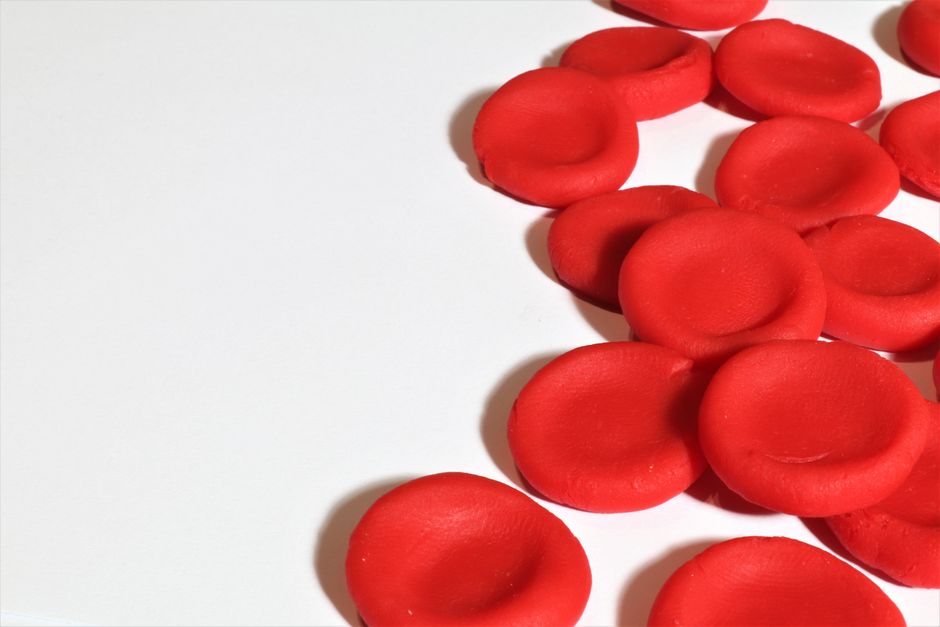
Your red blood cells carry oxygen from your lungs to every tissue in your body. When that number drops, the cause usually falls into one of three buckets: your body is losing red blood cells, destroying them too fast, or not making enough of them. Anemia is the medical term for having fewer red blood cells or less hemoglobin than normal, and it is one of the most common blood findings in routine testing.
What Can Cause Low Red Blood Cell Count?
Most cases trace back to one of three mechanisms, and figuring out which one applies is the first step toward understanding what is happening.
Blood loss removes red blood cells from circulation. This can be sudden, like a significant injury or surgery, or slow and hidden, like a bleeding ulcer or heavy menstrual periods. Slow blood loss is easy to miss because the body adapts over time.
Increased destruction means red blood cells are being broken down faster than normal. The bone marrow can usually keep up with some extra destruction, but when the rate outpaces production, the count falls. Conditions that cause this include autoimmune disorders where the immune system attacks its own red blood cells, certain infections, and some inherited conditions.
Decreased production happens when the bone marrow cannot make enough red blood cells. This can result from nutritional deficiencies, chronic diseases, bone marrow disorders, or kidney problems. The bone marrow needs specific raw materials — iron, vitamin B12, folate — and a hormonal signal from the kidneys called erythropoietin to produce red blood cells at the right pace.
The specific cause matters because treatment depends entirely on which mechanism is at work. Iron deficiency from heavy periods is treated very differently from anemia caused by kidney disease or a bone marrow condition.
What Are the Most Common Causes of Low Red Blood Cell Count?
Iron deficiency is the most common cause worldwide, according to the World Health Organization. It affects an estimated one-third of the global population to some degree. In the United States, iron deficiency anemia is especially common in menstruating women, pregnant women, and young children.
Other frequent causes include:
- Vitamin B12 or folate deficiency. These vitamins are needed to build healthy red blood cells. Without them, the body produces fewer cells and the ones it makes are abnormally large and don’t function well.
- Chronic kidney disease. The kidneys produce erythropoietin, the hormone that tells the bone marrow to make red blood cells. When kidney function declines, erythropoietin production drops, and so does red blood cell production.
- Chronic inflammatory conditions. Conditions like rheumatoid arthritis, lupus, and inflammatory bowel disease can suppress red blood cell production through inflammation-related pathways. This is sometimes called anemia of chronic disease.
- Heavy menstrual bleeding. Losing more than about 80 milliliters of blood per cycle can gradually deplete iron stores. Many women don’t realize their periods are considered heavy by clinical standards.
- Gastrointestinal bleeding. Ulcers, colon polyps, and colorectal cancer can bleed slowly enough that it’s invisible in stool. This is a key reason doctors investigate anemia in older adults carefully.
- Bone marrow disorders. Aplastic anemia, myelodysplastic syndromes, and cancers that affect the bone marrow can reduce production directly.
- Hemolytic anemias. These involve red blood cells being destroyed faster than they can be replaced. Causes include autoimmune conditions, inherited disorders like sickle cell disease and thalassemia, and certain medications or infections.
In many people, more than one factor is at play. For example, someone with chronic kidney disease may also have iron deficiency, and both contribute to a low count.
How Do Nutritional Deficiencies Lower Red Blood Cell Count?
Red blood cell production is a demanding process. The bone marrow produces roughly 2 million red blood cells every second in a healthy adult, and each one requires specific nutrients to build correctly.
Iron is the core of hemoglobin, the protein that actually carries oxygen. Without enough iron, the bone marrow cannot complete red blood cell construction, and production slows. Iron deficiency develops in stages: first iron stores drop, then iron available for red blood cell production falls, and finally the count itself declines.
Vitamin B12 and folate are needed for DNA synthesis in developing red blood cells. A shortage leads to a condition called megaloblastic anemia, where the bone marrow produces fewer, larger cells that don’t work properly. B12 deficiency can also cause nerve damage that folate deficiency does not.
B12 is found almost exclusively in animal products, so strict vegans are at higher risk unless they use fortified foods or supplements. Older adults may develop B12 deficiency even if they eat meat, because stomach acid and intrinsic factor — a protein needed for B12 absorption — decline with age.
Folate deficiency is less common in countries that fortify grain products, which the United States has done since 1998. Alcohol use disorder is a leading cause of folate deficiency because alcohol interferes with absorption and increases excretion.





Can Medical Conditions and Medications Cause Low Red Blood Cell Count?
Many medical conditions affect red blood cell production indirectly, and some medications can suppress the bone marrow or trigger red blood cell destruction.
Conditions that commonly contribute include:
- Kidney disease. Reduced erythropoietin production is a direct cause of anemia in chronic kidney disease.
- Hypothyroidism. Low thyroid hormone can slow red blood cell production.
- HIV and other chronic infections. These can suppress bone marrow function and increase red blood cell destruction.
- Autoimmune diseases. In autoimmune hemolytic anemia, the immune system produces antibodies that attack red blood cells.
- Cancer. Both the disease itself and treatments like chemotherapy and radiation can suppress bone marrow production.
Medications that can lower red blood cell count include certain chemotherapy drugs, some antibiotics, immunosuppressants, and medications used to treat seizures. In some cases, the effect is predictable and monitored; in others, it’s an uncommon side effect.
Anyone who develops anemia while taking a medication should discuss it with their doctor rather than stopping the drug on their own. The underlying condition being treated may be more dangerous than the anemia itself.
What Are the Symptoms of Low Red Blood Cell Count?
Symptoms depend on how low the count is, how quickly it dropped, and what the person’s baseline was. Mild anemia often causes no symptoms at all and is found only on a blood test.
When symptoms do appear, they typically include:
- Fatigue and weakness
- Shortness of breath, especially with activity
- Pale skin, lips, or nail beds
- Dizziness or lightheadedness
- Fast or irregular heartbeat
- Cold hands and feet
- Headaches
- Chest pain in severe cases
These symptoms are not specific to anemia. They overlap with many other conditions, including thyroid problems, heart disease, and depression. A blood test is the only way to know for certain.
One detail worth knowing: symptoms often depend more on how fast the count dropped than on the absolute number. A person who slowly develops anemia over months may feel relatively fine at a count that would cause severe symptoms in someone who lost blood suddenly.
When Should You See a Doctor About Low Red Blood Cell Count?
Anyone with a low red blood cell count on a blood test should discuss it with a doctor. Even mild anemia can signal an underlying condition that needs treatment, and some causes — like gastrointestinal bleeding — can be serious if left unaddressed.
Seek medical attention promptly if you have:
- Chest pain or shortness of breath at rest
- Fainting or near-fainting
- Rapid heartbeat that doesn’t resolve
- Blood in stool or black, tarry stools
- Unusually heavy menstrual bleeding
- Unexplained bruising or bleeding
For milder findings, a doctor will typically order additional tests to identify the cause. These may include iron studies, vitamin B12 and folate levels, kidney function tests, and sometimes a bone marrow biopsy if production problems are suspected.
Finding the cause is the point. Low red blood cell count is a sign, not a diagnosis, and treating it without knowing why it happened can miss the real problem.
Frequently Asked Questions
What is the most common cause of low red blood cell count?
Iron deficiency is the most common cause worldwide, affecting roughly one-third of the global population to some degree according to the World Health Organization. In the U.S., it is most often seen in menstruating women, pregnant women, and young children.
Can low red blood cell count be caused by diet alone?
Yes, diets low in iron, vitamin B12, or folate can cause anemia over time. Strict vegans are at particular risk for B12 deficiency because it occurs naturally almost exclusively in animal products.
Does low red blood cell count always mean anemia?
A low red blood cell count is one component of anemia, but the diagnosis also considers hemoglobin and hematocrit levels. Some people have a low count with normal hemoglobin and are not considered anemic.
Can medications cause low red blood cell count?
Yes, certain chemotherapy drugs, antibiotics, immunosuppressants, and seizure medications can suppress red blood cell production. Anyone who develops anemia while on medication should talk to their doctor before making changes.
