
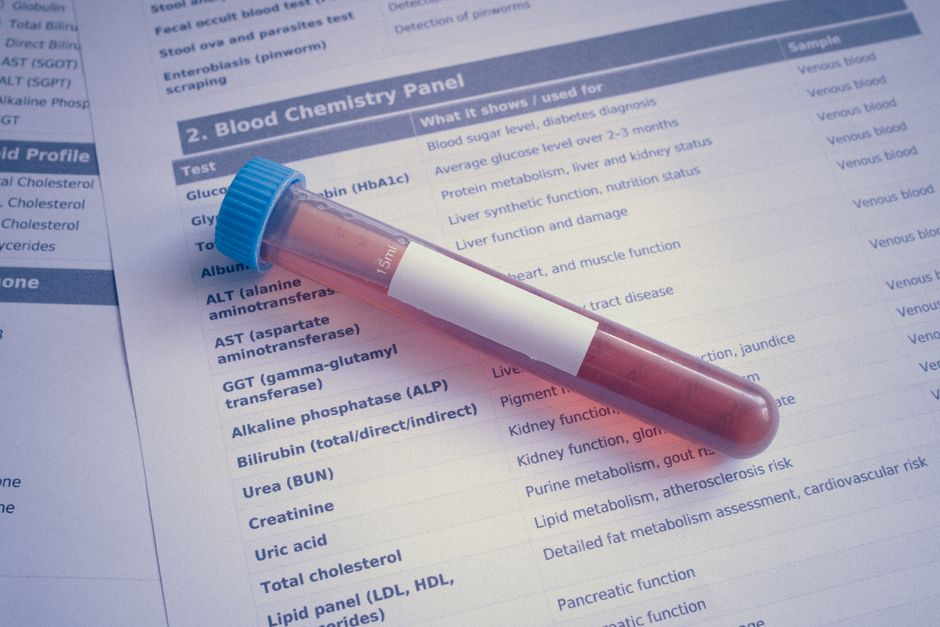
A red blood cell count is a measurement of how many red blood cells are in a specific volume of your blood. Red blood cells carry oxygen from your lungs to every tissue in your body. The count is one part of a complete blood count, or CBC, a routine panel of tests that also measures white blood cells, hemoglobin, hematocrit, and platelets. Your result is compared against a reference range that varies slightly by lab, age, and sex.
What Is Red Blood Count In Blood Test?
A red blood cell count, sometimes written as RBC count, tells you the number of red blood cells circulating in your bloodstream. It is reported in millions of cells per microliter (mcL) of blood.
Red blood cells are the most numerous cells in your blood. They contain hemoglobin, an iron-rich protein that binds oxygen. When you breathe in, oxygen attaches to hemoglobin in the lungs. Red blood cells then travel through your blood vessels and release that oxygen to your muscles, brain, organs, and every other tissue that needs it.
Red blood cells are made in your bone marrow. They live about 120 days, then are broken down and recycled, mostly by the spleen and liver. Your body constantly replaces them. A healthy adult produces roughly 2 million red blood cells every second. That balance between production and breakdown is what keeps your count stable.
It helps to understand what the RBC count is not. It is not the same as hemoglobin or hematocrit, though all three are related. Hemoglobin measures the oxygen-carrying protein itself. Hematocrit measures the percentage of your blood made up of red blood cells. A doctor looks at all three together, plus the size and shape of the cells, to understand what is happening.
What Is a Normal Red Blood Cell Count?
For adult men, a typical reference range is about 4.5 to 5.9 million cells per mcL. For adult women, it is about 4.1 to 5.1 million cells per mcL. These ranges come from large population studies and are used across most clinical labs.
Reference ranges vary somewhat between laboratories, and they also shift with age. Children generally have different ranges than adults. People who live at high altitude often have higher counts because their bodies adapt to lower oxygen levels in the air by making more red blood cells.
A result slightly outside the reference range is not automatically a problem. Many factors affect a single reading, including hydration, recent illness, and even how long the blood sat before testing. Doctors interpret a count in context, not in isolation.
| Group | Typical RBC Range (million cells/mcL) |
|---|---|
| Adult men | 4.5 – 5.9 |
| Adult women | 4.1 – 5.1 |
These numbers are starting points, not diagnostic cutoffs. Your lab report will list the range that lab uses, and that is the range your doctor will reference.
What Does a Low Red Blood Cell Count Mean?
A low red blood cell count means your body has fewer oxygen-carrying cells than expected. This is one form of anemia. Anemia itself is not a disease — it is a sign that something else is going on.
The causes fall into a few broad categories:
- Decreased production. Your bone marrow is not making enough red blood cells. This can happen with nutritional deficiencies like low iron, low vitamin B12, or low folate. It can also happen with kidney disease, because the kidneys produce a hormone called erythropoietin that signals the bone marrow to make red blood cells. Bone marrow disorders and some chronic diseases can also reduce production.
- Increased loss. Blood loss is a common cause. This can be obvious, like heavy menstrual bleeding or a bleeding ulcer, or slow and hidden, like gradual blood loss from the digestive tract. Slow blood loss over time can deplete iron stores and lead to iron deficiency anemia.
- Increased destruction. Red blood cells are being broken down faster than the body can replace them. This is called hemolysis. It can result from certain inherited conditions, autoimmune problems, infections, or reactions to some medications.
Symptoms of a low count depend on how low it is and how quickly it developed. Mild anemia may cause no symptoms at all. When symptoms appear, they often include fatigue, pale skin, shortness of breath with activity, dizziness, cold hands and feet, and a fast or irregular heartbeat.
An important point: a low RBC count alone does not tell your doctor the cause. That is why the CBC includes other measurements. The mean corpuscular volume, or MCV, tells whether your red blood cells are smaller or larger than normal. That single number often points toward the likely cause and guides further testing.




What Does a High Red Blood Cell Count Mean?
A high red blood cell count means you have more red blood cells than expected. Doctors call this erythrocytosis or polycythemia, depending on the cause.
There are two main reasons a count can run high. The first is a problem in the bone marrow itself, where it produces too many red blood cells. This is called polycythemia vera, a rare blood disorder. The second is a response to something else — your body is making more red blood cells because it senses low oxygen. This is sometimes called secondary polycythemia.
Conditions that can drive a secondary rise include:
- Chronic low oxygen from lung disease, such as COPD
- Sleep apnea, which repeatedly drops oxygen levels during sleep
- Living at high altitude
- Smoking, because carbon monoxide in smoke reduces the blood’s oxygen-carrying capacity
- Some heart conditions that reduce oxygen delivery
- Certain tumors that produce excess erythropoietin
Dehydration can also raise the measured count without actually increasing the number of red blood cells. When you are dehydrated, the liquid portion of your blood drops, so the concentration of cells appears higher. Rehydration usually corrects this.
A high count can make blood thicker and raise the risk of clots. Symptoms may include headache, dizziness, blurred vision, and fatigue. But many people with a mildly high count have no symptoms, and the finding is caught on a routine test.
How Is the Test Done and What Else Does It Measure?
The test requires a small blood sample, usually drawn from a vein in your arm. You do not need to fast for a CBC. The sample goes to a lab, where an automated analyzer counts the cells. Results are typically available within a day.
The RBC count is only one number on the report. Doctors read it alongside several related measurements:
- Hemoglobin — the amount of oxygen-carrying protein in your blood
- Hematocrit — the percentage of blood volume made up of red blood cells
- MCV — the average size of your red blood cells
- MCH and MCHC — the average amount and concentration of hemoglobin in each cell
- RDW — how much the sizes of your red blood cells vary from each other
- Reticulocyte count — the percentage of young red blood cells, which shows how actively your marrow is producing new ones
Together, these numbers tell a story. A low count with small cells suggests iron deficiency. A low count with large cells points toward B12 or folate deficiency. A low count with a high reticulocyte count suggests the marrow is working hard to replace cells being lost or destroyed. No single number provides the full picture.
When Should You Talk to a Doctor About Your Result?
Any result outside the reference range deserves a conversation with your doctor. That does not mean something is wrong. It means the number needs context.
Your doctor will consider your symptoms, your medical history, medications you take, and other results on the same panel. A single abnormal value is often repeated before any conclusion is drawn, because temporary factors can shift the count.
Seek prompt medical attention if you have a low count along with chest pain, severe shortness of breath, fainting, or a rapid heartbeat that will not settle. These can signal that your tissues are not getting enough oxygen.
For a high count, talk to your doctor if you notice persistent headaches, vision changes, or unusual fatigue. These can be signs that your blood is thicker than normal.
Do not try to correct a count on your own with supplements. Iron supplements, for example, help only if you are actually iron deficient, and taking too much iron can cause harm. The right step is to find out why the number is off before treating it.
Frequently Asked Questions
What is a normal red blood cell count?
For adult men, a typical range is about 4.5 to 5.9 million cells per mcL, and for adult women about 4.1 to 5.1 million cells per mcL. Ranges vary slightly by lab, age, and altitude.
What happens if your red blood cell count is low?
A low count means your blood carries less oxygen, which can cause fatigue, pale skin, and shortness of breath. It is a sign of an underlying cause such as iron deficiency, blood loss, or a bone marrow problem, not a diagnosis by itself.
Can dehydration affect a red blood cell count?
Yes. Dehydration lowers the liquid portion of your blood, so the concentration of red blood cells appears higher even though the actual number has not changed. Rehydrating usually brings the reading back to normal.
Does a high red blood cell count always mean a blood disorder?
No. A high count is often a response to low oxygen from lung disease, sleep apnea, smoking, or high altitude, rather than a bone marrow disorder. A doctor evaluates the cause using the full blood panel and your history.
