
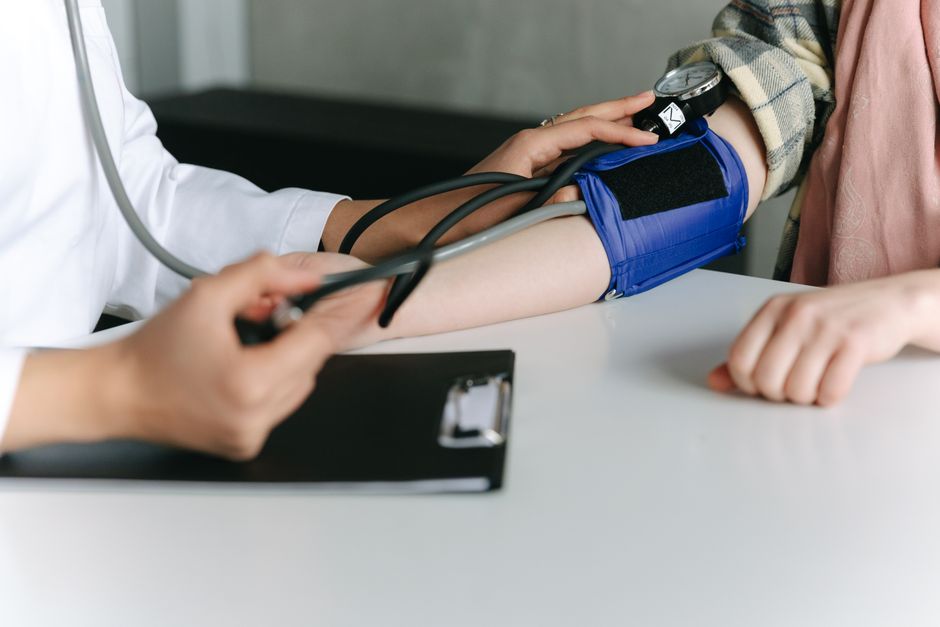
High blood pressure, or hypertension, is often called the “silent killer” for a reason. It usually has no symptoms, but it puts constant strain on your arteries and heart. Over time, this strain damages blood vessels and organs, leading to serious and sometimes fatal conditions like heart attack, stroke, and kidney failure. The short answer is that uncontrolled high blood pressure quietly damages your body’s vital systems, and the longer it goes untreated, the greater the risk of permanent harm or death.
What Exactly Happens to Your Arteries When Blood Pressure Stays High?
Think of your arteries as flexible tubes. When blood pushes against the walls with too much force day after day, those walls start to stiffen and thicken. This process is called arteriosclerosis. The smooth inner lining of your arteries, called the endothelium, gets tiny tears and injuries.
Your body tries to repair these tears by sending cholesterol and other substances to the site. Over time, this builds up into plaque. Plaque narrows the artery and makes it even harder for blood to flow. This creates a vicious cycle: higher pressure causes more damage, and more damage makes the pressure even higher.
Research published in the Journal of the American College of Cardiology shows that this damage starts at blood pressure readings above 115/75 mmHg, long before most people are diagnosed with hypertension. The damage is cumulative, meaning it adds up over years and decades.
How Does High Blood Pressure Damage the Heart Itself?
Your heart is a muscle, and like any muscle, it can get bigger from working too hard. High blood pressure forces the heart to pump against more resistance. To keep up, the left ventricle — the main pumping chamber — thickens and enlarges. This is called left ventricular hypertrophy.
A thickened heart muscle is not a healthy heart. It becomes stiff and less efficient at pumping blood. It also needs more oxygen. This puts you at higher risk for heart failure, where the heart simply cannot pump enough blood to meet the body’s needs. The American Heart Association states that hypertension is the second most common cause of heart failure, behind only coronary artery disease.
High blood pressure also increases your risk of coronary artery disease. The plaque buildup in your arteries can rupture. When a plaque ruptures, a blood clot forms. If that clot blocks blood flow to part of your heart, you have a heart attack. The CDC reports that nearly half of all adults in the United States have hypertension, and it is a primary or contributing cause of over 670,000 deaths per year.
What Happens If Your Blood Pressure Is Too High and Affects Your Brain?
The damage is not limited to your heart. Your brain relies on a constant supply of oxygen-rich blood. High blood pressure damages the small, delicate blood vessels in your brain. This can lead to two main problems: stroke and vascular dementia.
An ischemic stroke happens when a blood clot blocks a vessel in the brain. High blood pressure is the single most important risk factor for this type of stroke. A hemorrhagic stroke happens when a weakened blood vessel in the brain bursts. High blood pressure directly causes this too.
There is also the less dramatic but still serious issue of “silent” strokes. These are small blockages that cause no immediate symptoms but damage brain tissue over time. A study in Neurology found that people with high blood pressure in midlife had a significantly higher risk of cognitive decline and dementia later in life. The damage accumulates quietly, affecting memory and thinking skills years before any diagnosis.
How Does High Blood Pressure Harm Your Kidneys?
Your kidneys filter waste from your blood. They have a dense network of tiny blood vessels called glomeruli. High pressure damages these delicate filters, making them less effective at removing waste and excess fluid.
When kidney function drops, your body holds onto more fluid. This increases blood volume, which raises blood pressure even further. It is another vicious cycle. The National Kidney Foundation explains that hypertension is the second leading cause of kidney failure in the United States, after diabetes.
Many people do not realize their kidneys are being damaged until significant function is already lost. There are usually no early symptoms. Blood tests for creatinine and eGFR (estimated glomerular filtration rate) can detect early damage, but many people are not tested until they already have advanced disease.
What Are the Other Hidden Damages of Chronic High Blood Pressure?
The effects of hypertension reach beyond the heart, brain, and kidneys. Your eyes have tiny blood vessels that are very sensitive to pressure changes. High blood pressure can cause retinopathy, where these vessels bleed or become blocked. This can lead to blurred vision and, in severe cases, blindness.
Your bones are also affected indirectly. The kidneys help regulate calcium and other minerals. When kidney function declines from high blood pressure, calcium balance can be disrupted. Some research suggests a link between hypertension and osteoporosis, though the evidence is still being studied.
Sexual dysfunction is another real but under-discussed consequence. In men, high blood pressure damages the arteries that supply blood to the penis, contributing to erectile dysfunction. In women, it can reduce blood flow to the vagina, affecting arousal and lubrication. These effects are often the first visible signs of vascular damage that is happening throughout the body.
Here is a comparison of how different organs are affected by uncontrolled hypertension:
| Organ System | Primary Damage Mechanism | Potential Outcome |
|---|---|---|
| Heart | Left ventricular hypertrophy, coronary artery plaque | Heart attack, heart failure |
| Brain | Small vessel disease, plaque rupture | Stroke, vascular dementia |
| Kidneys | Glomerular damage, reduced filtration | Chronic kidney disease, kidney failure |
| Eyes | Retinal vessel damage | Hypertensive retinopathy, vision loss |
| Blood Vessels | Arteriosclerosis, endothelial injury | Aneurysm, peripheral artery disease |
What Steps Actually Lower Blood Pressure and Reduce Risk?
The good news is that lowering blood pressure significantly reduces your risk of all these damages. The DASH diet (Dietary Approaches to Stop Hypertension) is one of the most studied eating patterns. It emphasizes fruits, vegetables, whole grains, and low-fat dairy while limiting sodium, saturated fat, and sugar.
Reducing sodium is critical. The American Heart Association recommends no more than 2,300 milligrams per day, with an ideal limit of 1,500 mg for most adults with hypertension. That is less than a teaspoon of salt. Most sodium in the American diet comes from processed and restaurant foods, not the salt shaker.
Regular physical activity is also proven to lower blood pressure. The CDC recommends at least 150 minutes of moderate-intensity aerobic activity per week, such as brisk walking. Exercise helps your heart use oxygen more efficiently, so it does not have to work as hard to pump blood.
Medication is often necessary. There is no shame in needing blood pressure medication. Many people need two or more medications to reach their target. Common classes include ACE inhibitors, ARBs, calcium channel blockers, and diuretics. Each works differently, and your doctor will choose based on your specific health profile.
Here are key lifestyle changes that have strong evidence behind them:
- Reduce sodium intake to under 2,300 mg per day
- Eat more potassium-rich foods like bananas, spinach, and sweet potatoes
- Limit alcohol to no more than one drink per day for women, two for men
- Maintain a healthy weight — losing even 5-10 pounds can lower pressure
- Manage stress through meditation, deep breathing, or adequate sleep
Frequently Asked Questions
Can high blood pressure cause headaches?
Very high blood pressure (above 180/120 mmHg) can cause headaches, but most people with hypertension have no symptoms at all. Headaches are not a reliable early warning sign.
Is 140/90 considered high blood pressure?
Yes, 140/90 mmHg or higher is classified as stage 2 hypertension by the American Heart Association. Normal blood pressure is below 120/80.
Can high blood pressure be reversed without medication?
Some people can lower their blood pressure through diet, exercise, and weight loss, especially if it is only mildly elevated. However, many people need medication to reach safe levels.
How quickly does high blood pressure damage organs?
Damage accumulates over years, not days or weeks. The longer blood pressure stays high, the greater the risk. Early treatment prevents most long-term damage.
