

Blood pressure normally dips at night. In most healthy people it falls 10% to 20% below daytime levels during sleep, a pattern doctors call nocturnal dipping. So when readings are higher at night instead, something is interrupting that normal fall. The most common reasons are sleep apnea, poor or fragmented sleep, shift work, certain medications, and an evening dose of caffeine or alcohol. Sometimes it reflects a heart or kidney problem. It can also be a measurement problem rather than a real one.
This is worth taking seriously. Blood pressure that stays high during sleep is linked to a higher risk of heart and kidney problems than the same daytime readings would suggest. The tricky part is that you cannot feel nocturnal blood pressure, so the only way to know is to measure it while you sleep.
What Is Nocturnal Blood Pressure and Why Does It Matter?
Blood pressure follows a daily rhythm set by your body clock. During sleep, the nervous system shifts toward rest, heart rate slows, and blood vessels relax. For most people this produces a nighttime drop of roughly 10% to 20%.
People whose pressure does not fall that much are called non-dippers. People whose pressure rises above their daytime level at night are called reverse dippers. Both patterns matter. Research consistently shows that nighttime blood pressure predicts cardiovascular outcomes better than daytime readings alone. That is partly why guidelines from major heart organizations now emphasize out-of-office measurement, including overnight monitoring when it is appropriate.
One point that surprises many people: a single high reading at night does not mean much on its own. Blood pressure swings constantly. The pattern across a whole night is what counts.
Why Is Blood Pressure Higher At Night?
The most common cause is disrupted sleep, especially sleep apnea. In obstructive sleep apnea, the airway repeatedly collapses during sleep. Each collapse triggers a burst of stress hormones and a spike in blood pressure. These spikes can repeat dozens of times a night, and they often push average nighttime pressure up.
Other frequent contributors include:
- Short or poor-quality sleep. Sleep deprivation and fragmented sleep both raise nighttime pressure.
- Shift work. Working against the body clock can reverse the normal daily pattern.
- Alcohol in the evening. It may help you fall asleep but fragments sleep later in the night and can raise pressure.
- Caffeine late in the day. Caffeine raises blood pressure temporarily, and its effects can last for hours.
- Some medications. Certain drugs, including some decongestants and anti-inflammatory pain relievers, can raise blood pressure.
- Pain, anxiety, or an overactive bladder. Anything that repeatedly wakes you can keep pressure elevated.
- Kidney disease and some hormonal conditions. These can disturb the body’s fluid and hormone balance in ways that raise nighttime pressure.
Age matters too. The normal nighttime dip tends to flatten as people get older, and the pattern is more common in people who already have high blood pressure.
How Do You Know If Your Blood Pressure Rises at Night?
You usually cannot tell from how you feel. High nighttime blood pressure typically causes no symptoms. The clues are indirect: waking up unrefreshed, morning headaches, loud snoring, or a partner noticing pauses in your breathing.
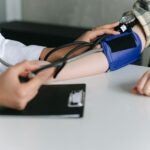
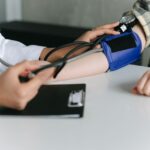
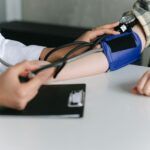
The reliable way to find out is ambulatory blood pressure monitoring. A cuff worn for 24 hours takes readings at set intervals, including during sleep. This is the standard method for assessing nighttime blood pressure, and it is far more informative than a single office reading.
Home monitors can help too, but standard home cuffs are not designed for use during sleep. Taking your own reading at night while awake is not the same as measuring true nocturnal pressure. If you suspect a nighttime problem, ask your clinician whether 24-hour monitoring is appropriate for you.


What Does It Mean for Your Health?
Nighttime blood pressure that stays high is associated with a higher risk of stroke, heart failure, and kidney damage. The link holds even when daytime readings look acceptable. This is why clinicians sometimes pay closer attention to overnight numbers than to a single daytime reading.
There is an important caveat. Much of this evidence comes from observational studies, which show associations rather than proof of cause and effect. The general direction is well supported, but the exact size of the added risk for any one person is not something that can be pinned down precisely.
Non-dipping is also common in people with sleep apnea, chronic kidney disease, and diabetes. In those groups, treating the underlying condition is often the most useful step.
Can You Lower Nighttime Blood Pressure?
The first step is finding the cause. If sleep apnea is present, treating it is often the most effective approach. This may involve a CPAP machine, a dental device, or weight loss where it applies. Some studies suggest that effective apnea treatment can improve nighttime blood pressure, though the size of the benefit varies between people.
Practical steps that support healthy nighttime pressure include:
- Keeping a regular sleep and wake schedule.
- Limiting alcohol, especially close to bedtime.
- Avoiding caffeine in the afternoon and evening.
- Getting evaluated for snoring or breathing pauses during sleep.
- Reviewing all medications with a clinician, including over-the-counter ones.
On medication timing, the picture is less settled than headlines suggest. Some clinicians recommend taking blood pressure medicine at bedtime rather than in the morning. The evidence here is mixed. Large trials have not consistently shown that bedtime dosing lowers heart risk more than morning dosing. Whether to shift timing is a decision for you and your clinician, not a universal rule.
Chronotherapy, the general idea of timing drugs to the body clock, is an active area of research. It is promising but not yet settled enough to be standard advice for everyone.
When Should You Talk to a Doctor?
Talk to a clinician if you snore heavily, wake gasping, feel exhausted despite enough time in bed, or have morning headaches. These are reasons to check for sleep apnea.
Also seek advice if you have high blood pressure that seems hard to control, especially if daytime readings look fine but you still feel unwell in the morning. And if you have diabetes, kidney disease, or a history of heart problems, ask whether overnight monitoring makes sense for your situation.
Nocturnal blood pressure is easy to miss because it is invisible. That is exactly why it is worth asking about.
Frequently Asked Questions
Is it normal for blood pressure to be higher at night?
No. In most healthy people, blood pressure falls about 10% to 20% during sleep. A rise at night is not the typical pattern and is worth investigating.
What causes high blood pressure at night?
Sleep apnea is the most common cause, along with poor sleep, shift work, alcohol, late caffeine, some medications, and kidney or hormonal conditions. Sometimes it is a measurement issue rather than a true rise.
Can you feel high blood pressure at night?
Usually not. High nighttime blood pressure typically causes no symptoms, so it is found through 24-hour monitoring rather than by how you feel.
Does taking blood pressure medicine at night help?
The evidence is mixed. Some clinicians recommend bedtime dosing, but large trials have not consistently shown it lowers heart risk more than morning dosing, so timing is best decided with your clinician.
