

Blood pressure normally drops by 10 to 20 percent during sleep. That overnight dip is called nocturnal dipping, and it is a sign that the cardiovascular system is doing what it should. When pressure instead climbs at night, it usually means something is interrupting that expected drop. The most common causes are sleep apnea, disrupted sleep, certain medications, kidney disease, diabetes, and an out-of-sync body clock.
Why Does My Blood Pressure Spike At Night?
Blood pressure is not a fixed number. It follows a daily rhythm controlled largely by the body’s internal clock. For most people, pressure is highest in the morning, stays steady through the day, and falls at night.
When that fall does not happen, clinicians call it non-dipping. In some people, pressure at night is actually higher than it is during the day. That pattern is called reverse dipping, and it tends to carry more risk than a normal overnight drop.
The reasons pressure rises at night generally fall into a few categories. Something is keeping the nervous system activated. Something is interfering with breathing during sleep. Something is affecting hormone signals that control blood vessels. Or a medication is wearing off or working against the body’s natural rhythm.
Here is one point worth clearing up. A single high nighttime reading does not confirm a pattern. Blood pressure varies from minute to minute. A spike at night matters most when it shows up repeatedly, which is why clinicians often rely on 24-hour monitoring rather than one cuff reading before bed.
What Is Nocturnal Hypertension and Why Does It Matter?
Nocturnal hypertension means blood pressure stays elevated during sleep. It is usually diagnosed with 24-hour ambulatory monitoring, a device that takes readings at set intervals around the clock while you go about normal life and sleep.
This matters because nighttime pressure is a stronger predictor of cardiovascular events than daytime pressure in several large studies. The relationship has been reported across multiple populations, though the exact reasons are still being studied.
There is a practical problem here. A reading taken in a clinic or doctor’s office cannot show what happens during sleep. Someone with normal daytime numbers can still have high nighttime pressure and never know it. That is one reason ambulatory monitoring is used when a doctor suspects a night pattern.
If you track blood pressure at home, a reading taken right before bed is not the same as a reading taken during sleep. Waking to check it also disrupts the measurement. This is a real limitation of home monitoring for night patterns, not a reason to stop tracking.
Sleep Apnea and Nighttime Blood Pressure
Obstructive sleep apnea is one of the most common and best-documented causes of nighttime blood pressure spikes. In apnea, the upper airway closes repeatedly during sleep. Breathing pauses, oxygen drops, and the brain briefly wakes the body to restart breathing.
Each pause triggers a surge of stress hormones. That surge tightens blood vessels and raises pressure. When this happens many times a night, pressure stays elevated instead of dipping.
Sleep apnea is strongly linked with non-dipping and with resistant hypertension, meaning high blood pressure that is hard to control with medication. Many people with apnea do not know they have it. Snoring, gasping, morning headaches, and daytime sleepiness are common signs, but some people have none of these.
Treating apnea can improve nighttime blood pressure in some people. The evidence is strongest for continuous positive airway pressure, or CPAP, in people who use it consistently. Results vary, and CPAP is not a guaranteed fix for high blood pressure on its own.


Medications and Other Causes of Nighttime Spikes
Medication timing can shape the overnight pattern. Some blood pressure medicines are shorter-acting and may wear off before morning. Others, including some steroids and certain antidepressants, can raise pressure as a side effect.
Do not stop or change any medication on your own. Timing changes should be discussed with the prescribing clinician, because shifting doses can affect daytime control and other health conditions.
Other common contributors include:
- Kidney disease. The kidneys help regulate fluid and pressure. When their function declines, nighttime pressure often rises.
- Diabetes. High blood sugar can damage blood vessels and nerves that help control pressure.
- Disrupted sleep. Shift work, fragmented sleep, and insomnia can disturb the body clock that normally lowers pressure at night.
- Alcohol and late meals. Alcohol close to bedtime and heavy late meals can affect sleep quality and pressure.
- Age. Blood vessels stiffen over time, which can blunt the normal overnight drop.
Obesity is also linked with non-dipping, partly because it raises the risk of sleep apnea. The relationship is not simple, and weight is one factor among several.
What Does a Nighttime Spike Feel Like?
Usually nothing. Most people with high nighttime blood pressure feel completely normal. That is what makes it easy to miss.
Some people wake with a headache, feel unrested, or notice a racing heart. But these symptoms have many possible causes and are not specific to blood pressure. Relying on symptoms to detect nighttime hypertension is not reliable.
If you snore heavily, wake gasping, or feel exhausted despite enough hours in bed, that pattern is worth raising with a doctor. It may point toward sleep apnea, which can be evaluated directly.
How Is Nighttime Blood Pressure Measured?
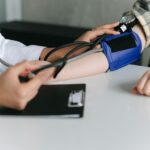
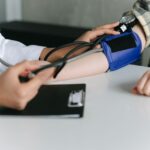
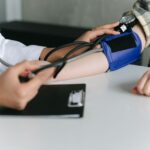
The standard method is 24-hour ambulatory blood pressure monitoring. A cuff is worn on the arm and connected to a small device that inflates at programmed intervals, including during sleep. This gives an average for daytime and nighttime.
Some home monitors can be programmed to take readings at night, but they require waking, which changes the measurement. Ambulatory monitoring remains the more reliable approach for night patterns.
When results are reviewed, clinicians look at the average nighttime value and compare it with the daytime average. The size of the overnight drop helps classify the pattern as dipping, non-dipping, or reverse dipping.
When to Talk to a Doctor
Nighttime blood pressure that stays high is linked with a higher risk of heart attack, stroke, and kidney problems over time. That makes it worth taking seriously, even when there are no symptoms.
Bring it up if you have high blood pressure that seems hard to control, if you snore or wake gasping, or if you have diabetes or kidney disease. These situations raise the odds of a night pattern.
Treatment depends on the cause. For sleep apnea, treating the apnea may help. For medication timing, a clinician may adjust when doses are taken. For kidney or hormone-related causes, the underlying condition needs attention. There is no single fix, and what helps one person may not help another.
What is clear is that nighttime pressure carries real information. Measuring it and identifying the cause is the starting point.
Frequently Asked Questions
Why does my blood pressure spike at night?
The most common causes are sleep apnea, disrupted sleep, medication timing, kidney disease, and diabetes. These can interfere with the normal overnight drop in blood pressure.
Is high blood pressure at night dangerous?
Yes, sustained high nighttime blood pressure is linked with a higher risk of heart attack, stroke, and kidney problems. The risk comes from the pattern over time, not a single reading.
Can sleep apnea cause high blood pressure at night?
Yes, obstructive sleep apnea is one of the most common causes of nighttime blood pressure spikes. Breathing pauses during sleep trigger stress hormone surges that raise pressure.
How do I know if my blood pressure is high at night?
Most people cannot tell from how they feel, because nighttime high blood pressure usually causes no symptoms. A doctor can check it with 24-hour ambulatory monitoring.
Should I take my blood pressure medication at night?
Only if your doctor recommends it. Timing changes can affect daytime control and should be discussed with the prescribing clinician first.
