
Stand up from a chair right now and something happens inside your body that you did not ask for. Your blood pressure changes the moment gravity starts pulling blood toward your legs. For most healthy people, the numbers stay surprisingly steady. For others, standing triggers a real and measurable rise. The reason comes down to how the body defends blood flow to the brain.
Blood pressure is often higher when standing than sitting because standing activates the sympathetic nervous system and tightens blood vessels in the lower body. This reflex, called vasoconstriction, offsets the pull of gravity and keeps blood flowing to the brain. Some people also see a sharper rise tied to stress, age, or an underlying condition.
Why Is Blood Pressure Higher When Standing Than Sitting?
Gravity is the starting point. When you sit, your heart and brain sit at roughly the same level. When you stand, blood pools in the veins of your legs and abdomen — an area that can hold a large share of your total blood volume.
If nothing corrected for that shift, pressure in your upper body would drop and your brain would get less blood. The body does not allow that to happen for long. Stretch-sensitive receptors in the major arteries, called baroreceptors, detect the change within seconds. They send signals that trigger a chain of adjustments.
The result is a narrow, coordinated response:
- Blood vessels in the legs and abdomen narrow, pushing blood back toward the heart.
- Heart rate rises slightly to maintain output.
- The sympathetic nervous system releases norepinephrine, which tightens vessels.
- Pressure in the upper body is held steady — or nudged upward.
That last point matters. In many people, standing does not just maintain pressure. It produces a modest increase, especially in the systolic number — the top number in a reading.
What Happens to Blood Pressure in the First Minute of Standing?
The first minute is when the change is largest. Baroreceptors fire almost immediately, and the sympathetic nervous system responds within seconds. Heart rate typically climbs by a small amount. Peripheral vessels tighten.
For most healthy adults, this keeps systolic pressure within a few points of the sitting value. Some people see a small rise. A smaller group sees a brief dip before the reflex catches up — this is normal and usually unnoticed.
What is not normal is a large sustained change. A significant drop on standing is called orthostatic hypotension. A significant rise is called orthostatic hypertension. Both are defined by how much the numbers move, not by how a person feels in the moment.
Timing matters when you measure. A reading taken two seconds after standing is not the same as one taken two minutes after standing. Clinical protocols usually wait before recording, because the body is still adjusting in those early seconds.
Why Does Standing Raise Pressure Instead of Lowering It?
Most people expect standing to lower blood pressure. Gravity pulls blood down, so pressure up top should fall. That logic is correct — but incomplete.
The body treats a drop in brain blood flow as an emergency. The reflex response is not gentle. Vessels tighten, the heart works a little harder, and pressure is pushed back up. In some people, the correction overshoots. Pressure ends up higher than it was while sitting.
This overshoot is more common in certain groups:
- Older adults, whose arteries are stiffer and less able to buffer pressure swings.
- People with existing high blood pressure.
- Those with diabetes or conditions affecting the autonomic nerves.
- People taking certain medications that affect blood vessel tone.
Age is a strong factor here. Arterial stiffness rises with age, and stiff vessels respond to reflex signals with larger pressure swings. A 30-year-old and a 70-year-old can have the same reflex firing and very different pressure changes.



Is a Rise in Blood Pressure on Standing Dangerous?
A modest rise is normal physiology, not a warning sign. The concern is when the rise is large or comes with symptoms.
Orthostatic hypertension — a marked increase in blood pressure when standing — has been linked in research to a higher risk of cardiovascular events and organ damage over time. The evidence here is still developing. Some studies suggest the association is real; others show it varies by population and how the condition is defined. It is not yet treated as a standalone diagnosis with its own drug guidelines.
What clinicians generally agree on is this: a large, reproducible rise on standing deserves attention, especially in someone with other risk factors. It should prompt a review of medications, hydration, and any underlying conditions.
Symptoms that warrant a medical evaluation include:
- Dizziness or lightheadedness on standing.
- Blurred vision or a sense of fading out.
- Fainting or near-fainting.
- Chest discomfort or a racing heart.
These symptoms can point to several different problems, including orthostatic hypotension, dehydration, or a heart rhythm issue. A single symptom does not identify the cause. A clinician can sort out which is at play.
How Should You Measure Blood Pressure When Standing?
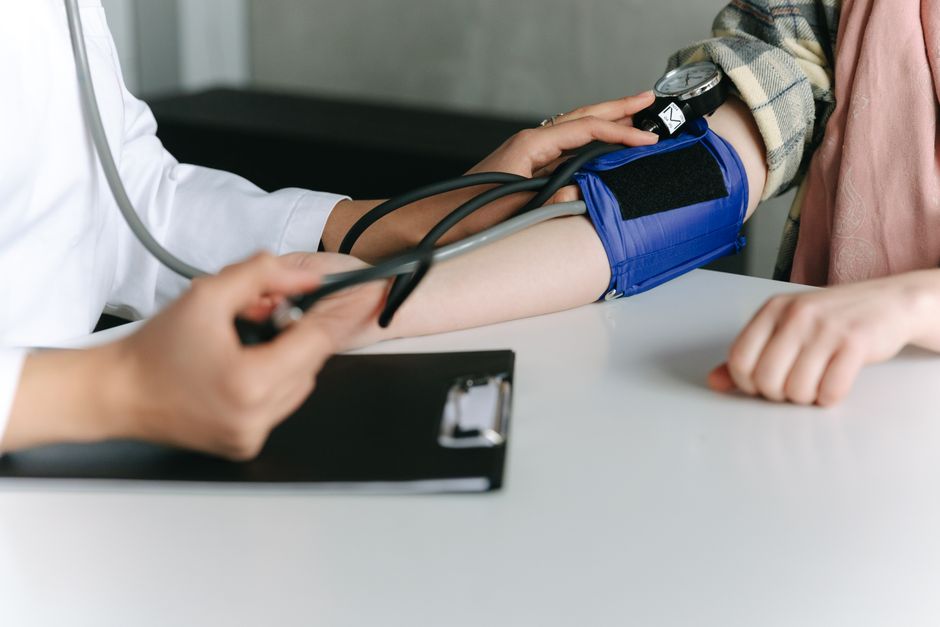
Position changes the reading, so how you measure matters. The standard approach for a sitting reading is well established: sit quietly for five minutes, back supported, feet flat, arm at heart level.
For a standing reading, clinical protocols typically have the person stand and then wait before the measurement is taken — often one to three minutes. Taking the number immediately after standing captures a different phase of the response and is not the same measurement.
A few practical points:
- Use the same arm and the same cuff for sitting and standing readings.
- Keep the arm supported at heart level in both positions.
- Take more than one reading and average them.
- Record the position and the time since standing for each reading.
Home monitors can be accurate, but cuff size and placement matter. A cuff that is too small can read high. A cuff on an unsupported arm can also read high. If your numbers differ a lot between home and clinic, the technique is often the reason.
When Does Standing Blood Pressure Matter Most?
For most people, the difference between sitting and standing pressure is small and not something to track daily. It matters most in specific situations.
Older adults are the group where this gets the most clinical attention. Falls are a serious risk in this population, and a pressure drop on standing — not a rise — is a common cause. The rise pattern is more often found on routine monitoring than through symptoms.
People with diabetes or Parkinson’s disease often have some degree of autonomic dysfunction, meaning the nerves that control blood vessel tone do not respond as they should. In these groups, both drops and rises on standing are more common and more likely to be monitored.
Medications are another factor. Drugs that affect blood pressure, blood vessel tone, or fluid balance can change how the body responds to standing. This is one reason clinicians sometimes ask about position when reviewing a medication list.
For a healthy 40-year-old with no symptoms and normal readings, a small standing increase is not a reason for concern. For a 70-year-old on multiple medications who feels dizzy on standing, it is worth a conversation with a doctor.
What Else Can Change Blood Pressure Between Positions?
Position is not the only variable. Time of day, recent activity, caffeine, stress, and even talking during a measurement can shift the numbers. This is why a single reading is rarely meaningful on its own.
White coat effect — a rise in pressure triggered by being in a clinic — is well documented and can be large. It is a stress response, not a position response, but the two can overlap if a standing reading is taken in a clinical setting.
Hydration also plays a role. Dehydration reduces blood volume, which can make the standing response less stable. This is one reason clinicians ask about fluid intake when a standing reading looks unusual.
The takeaway is that a standing reading should be interpreted alongside sitting readings, symptoms, and the person’s overall health — not in isolation.
Frequently Asked Questions
Why is my blood pressure higher when I stand up?
Standing triggers a reflex that tightens blood vessels to keep blood flowing to your brain, and in some people this correction pushes pressure above the sitting level. Age, artery stiffness, and certain medications make this more likely.
Is it normal for blood pressure to go up when standing?
A small rise is normal and expected in many healthy adults. A large or sustained rise is less common and is worth discussing with a clinician.
How long should I wait before taking a standing blood pressure reading?
Clinical protocols typically have you stand and wait one to three minutes before measuring. A reading taken immediately after standing captures a different phase and is not comparable to a standard standing measurement.
When should I worry about blood pressure changes on standing?
Worry is warranted if standing causes dizziness, blurred vision, fainting, or chest discomfort, or if the change is large and repeatable. Any of these should prompt a medical evaluation.
