
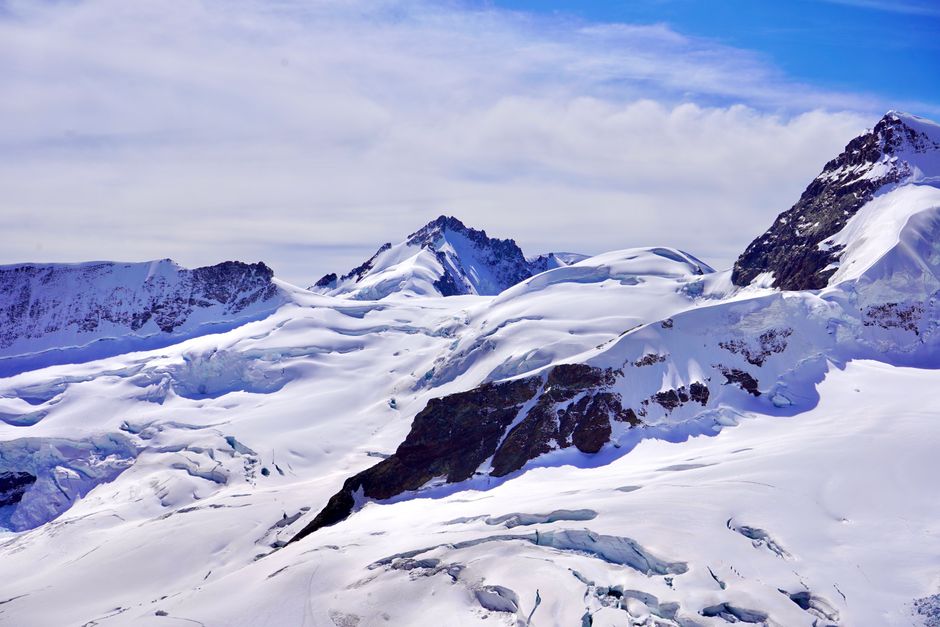
Does higher altitude affect blood pressure? Yes, and the effect can go in either direction depending on how long you stay and how your body responds. In the first hours and days at high elevation, blood pressure often rises. Over weeks of acclimatization, it frequently settles lower than it was at sea level. The reasons involve oxygen, blood vessel tone, and how your kidneys regulate fluid.
This matters for anyone heading to the mountains for a ski trip, a hiking vacation, or a move to a high-altitude city. It also matters for people who already take blood pressure medication. The changes are real and measurable, though the size of the change varies a lot from person to person.
What Counts as High Altitude?
There is no single cutoff, but altitude medicine generally uses these rough bands. They are conventions rather than sharp biological thresholds.
- High altitude: roughly 1,500 to 3,500 meters (about 5,000 to 11,500 feet)
- Very high altitude: roughly 3,500 to 5,500 meters (about 11,500 to 18,000 feet)
- Extreme altitude: above about 5,500 meters (about 18,000 feet)
Most travelers never go above the first band. Denver sits at about 1,600 meters (5,280 feet). Mexico City is around 2,240 meters (7,350 feet). Cusco, Peru, is roughly 3,400 meters (11,150 feet). These are the kinds of places where everyday blood pressure changes become noticeable.
One point that gets lost in casual conversation: the drop in oxygen at altitude is not linear with the number on the sign. The partial pressure of oxygen falls faster than the altitude figure suggests. That is why 3,000 meters feels very different from 1,500 meters, even though both are “high altitude.”
Why Does Blood Pressure Often Rise at First?
The short-term rise is a stress response, and it is well documented. When you breathe thinner air, the amount of oxygen in your blood drops. Your body treats this as a problem to solve immediately.
Several things happen at once. The sympathetic nervous system — the “fight or flight” branch — becomes more active. This tightens blood vessels and speeds up the heart. The carotid bodies, small sensors in your neck arteries, detect the low oxygen and send signals that raise blood pressure. Levels of stress hormones such as norepinephrine and epinephrine go up.
The result is a measurable increase in blood pressure for many people during the first days at altitude. How large the rise is varies widely. Some people see almost no change. Others see a clear jump. The response depends on your age, fitness, genetics, and how quickly you ascend.
Sleep makes it more complicated. At altitude, many people develop periodic breathing during sleep — cycles of deep breathing followed by brief pauses. These pauses cause oxygen to dip further, which can push nighttime blood pressure up. Waking up with a headache or feeling unrested is common and is not necessarily a sign of anything dangerous.
Why Can Blood Pressure Fall With Longer Stays?
After the first few days, the picture changes. This is where altitude gets interesting, because the long-term effect often runs opposite to the short-term one.
Over one to several weeks, the body acclimatizes. One major change is that the kidneys excrete more fluid and sodium. Blood volume drops. Less fluid in the vessels generally means lower pressure. Meanwhile, the blood vessels may relax as the initial stress response fades.
People who live permanently at high altitude tend to have somewhat lower average blood pressure than people at sea level, at least in populations studied in the Andes and elsewhere. This is not a uniform finding across every group, and the reasons are not fully settled. Diet, activity, and genetics all mix in.
There is also a less obvious mechanism worth knowing about. Long-term exposure to lower oxygen can cause the body to grow more tiny blood vessels — a process called angiogenesis. More small vessels means more room for blood to flow, which can lower resistance. This is one reason the long-term adaptation differs from the short-term stress response.

What Does This Mean for People With High Blood Pressure?
If you have hypertension, altitude can affect you, but the effect is usually manageable and often modest. The evidence does not support avoiding the mountains altogether.
That said, a few practical points are worth raising with your doctor before a high-altitude trip:
- Some blood pressure medications interact with altitude in ways worth discussing. Diuretics, for example, increase fluid loss, and altitude already promotes fluid loss. The combination can matter.
- Acetazolamide, a medication sometimes used to prevent altitude sickness, is a mild diuretic and can affect fluid balance and potassium levels. It is a prescription drug and not something to start on your own.
- If your blood pressure is poorly controlled at sea level, getting it stable before you travel is sensible. This is general clinical advice, not a specific rule tied to a number.
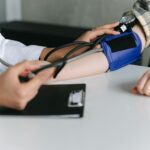
- Check your pressure as you normally would. A home cuff works fine at altitude; the devices are not affected by elevation.
People with certain heart conditions, severe lung disease, or poorly controlled hypertension should get individual guidance. This is not a situation for general advice from an article.
Can Altitude Cause Dangerous Blood Pressure Spikes?
For most healthy people, no. The short-term rise is usually moderate and reversible.
There are exceptions. A small number of people develop high-altitude pulmonary edema, a serious condition where fluid builds up in the lungs. This typically occurs above 2,500 meters and usually within the first few days. It causes breathlessness at rest, a cough, and chest tightness. Blood pressure can rise significantly in these cases, but the pressure is a symptom, not the core problem. This is a medical emergency and requires descent and treatment.
High-altitude cerebral edema is a related emergency affecting the brain. Both conditions are uncommon but not rare at very high elevations, and both are more likely with rapid ascent.
For someone with existing cardiovascular disease, the picture is more cautious. The combination of lower oxygen, higher heart rate, and cold (mountains are cold) puts extra demand on the heart. This is why people with known heart disease are often advised to discuss altitude travel with a cardiologist first.
Does Acclimatization Change the Answer Over Time?
Yes, and this is the single most useful thing to understand. The effect of altitude on blood pressure is not fixed. It depends heavily on time.
| Time at altitude | Typical blood pressure effect |
|---|---|
| First hours to 3 days | Often rises, due to sympathetic activation and low oxygen |
| First 1-2 weeks | Variable; some see it fall as fluid is lost |
| Weeks to months | Often lower than sea level baseline for many people |
| Permanent residents | Tends lower on average, though findings vary by population |
This table describes general patterns. Individual results vary, and some people do not follow the pattern at all.
The speed of your ascent matters as much as the final altitude. Going from sea level to 3,000 meters in a day produces a much sharper response than spreading the same gain over a week. This is why mountaineers build in rest days.
Practical Steps for Travelers
If you are heading to altitude and you care about your blood pressure, a few sensible steps help.
- Ascend gradually when you can. A night at a middle elevation reduces the stress on your body.
- Stay hydrated, but do not overdo fluids. Altitude causes fluid loss through breathing and urination.
- Limit alcohol for the first couple of days. It worsens sleep and dehydration.
- Keep taking your medications as prescribed unless a doctor tells you otherwise. Do not stop blood pressure medication on your own because you are going to the mountains.
- Know the warning signs of altitude illness: headache that does not respond to pain relievers, nausea, dizziness, breathlessness at rest. Descent is the main treatment.
None of this is a substitute for medical advice if you have a heart or lung condition. Talk to your doctor before you go.
Frequently Asked Questions
Does higher altitude raise or lower blood pressure?
In the short term, altitude usually raises blood pressure because of low oxygen and increased sympathetic nervous system activity. Over weeks of acclimatization, it often falls below a person’s sea level baseline as the body sheds fluid.
Can I travel to high altitude if I take blood pressure medication?
For most people, yes, but you should talk to your doctor first, especially if you take diuretics or have heart or lung disease. Do not stop or change your medication on your own before a trip.
How long does it take for blood pressure to adjust to altitude?
The initial rise typically appears within hours to the first few days. Acclimatization unfolds over one to several weeks, and the long-term lowering effect tends to emerge during that period.
Is high altitude dangerous for someone with hypertension?
For well-controlled hypertension, altitude is usually manageable with sensible precautions. Poorly controlled hypertension, or hypertension combined with heart or lung disease, warrants a conversation with a doctor before travel.
