
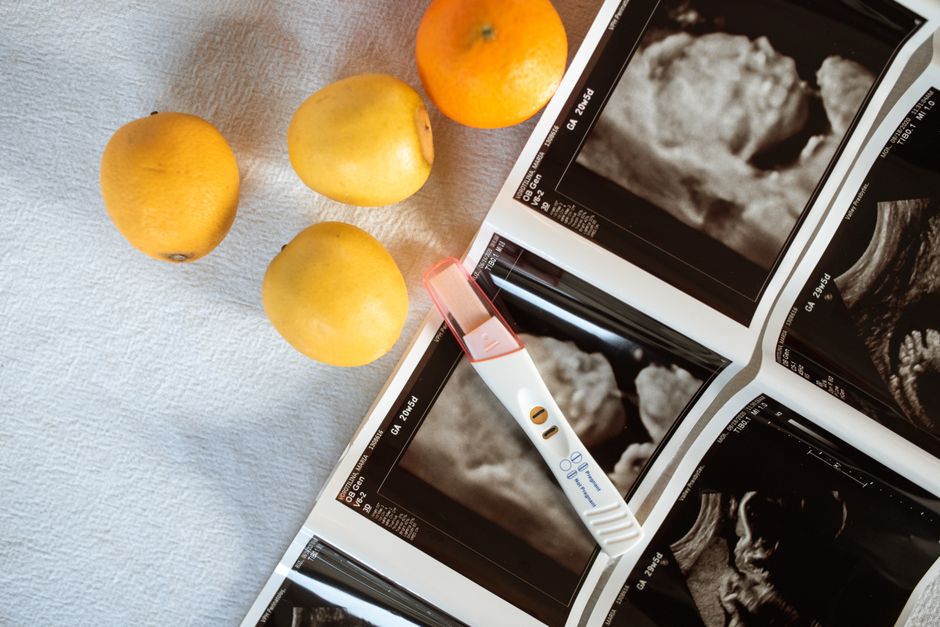
An ectopic pregnancy occurs when a fertilized egg implants and grows outside the main cavity of the uterus, most often in a fallopian tube. This happens because the egg cannot complete its normal journey to the uterus, usually due to a blockage, damage, or a functional issue within the tube. If left untreated, the growing tissue can rupture the tube and cause life-threatening internal bleeding, so understanding the causes and risk factors is essential for early recognition.
Why Ectopic Pregnancy Happens: Causes And Risk Factors
The primary cause of an ectopic pregnancy is a problem with the fallopian tube. The tube is not just a passive passageway; it uses tiny hair-like structures called cilia and muscle contractions to move the egg toward the uterus. When this transport system fails, the embryo can implant right where it stops.
Structural damage is the most common reason for this failure. Scar tissue from a previous infection, surgery, or a prior ectopic pregnancy can create physical blockages. Even without a complete blockage, scar tissue can create small pouches where the embryo gets trapped. Hormonal factors can also slow the transport of the egg, giving it time to implant before it reaches the uterus.
What Are the Most Common Risk Factors?
Certain conditions significantly increase the likelihood of an ectopic pregnancy. Having one ectopic pregnancy in the past is the strongest single predictor of having another. The risk increases because the underlying tubal damage that caused the first one is usually still present.
Pelvic inflammatory disease (PID) is another major risk factor. PID is most often caused by untreated sexually transmitted infections like chlamydia and gonorrhea. These infections can cause inflammation and scarring inside the tubes, which disrupts the normal movement of the egg. The more episodes of PID a person has, the higher the risk of tubal damage becomes.
Previous abdominal or pelvic surgery also raises the risk. Surgery on the fallopian tubes themselves carries the highest risk, but any surgery in the pelvic region, including appendix removal or ovarian cyst removal, can create adhesions that distort the normal anatomy.
How Does Fertility Treatment Affect the Risk?
Assisted reproductive technology (ART) changes the risk profile for ectopic pregnancy. In vitro fertilization (IVF) bypasses the fallopian tubes entirely by placing the embryo directly into the uterus. However, the embryo can still migrate into a tube and implant there.
The risk of ectopic pregnancy with IVF is generally higher than with natural conception, though the absolute number remains relatively small. This is partly because many people who need IVF already have damaged tubes or other pelvic issues. Some research suggests that transferring fewer embryos and using certain culture techniques may slightly reduce this risk, but the evidence is not definitive.
If you have had your fallopian tubes removed entirely, the risk of ectopic pregnancy drops to near zero. If the tubes are present but damaged, the risk remains elevated regardless of how conception occurs.





Which Lifestyle Factors Matter?
Smoking is one of the few lifestyle factors with a clear, direct link to ectopic pregnancy. Research consistently shows that smokers have a higher risk than nonsmokers. The exact mechanism is not fully understood, but smoking appears to impair the function of the cilia in the fallopian tubes, slowing the egg’s transport. The risk appears to be dose-dependent, meaning heavier smokers have a higher risk than light smokers.
Age is another factor that cannot be changed. Women over 35 have a higher risk of ectopic pregnancy than younger women. This is likely related to cumulative exposure to risk factors over time, such as infections or surgeries, rather than the age itself being a direct cause.
There is no strong evidence that stress, diet, or exercise directly cause ectopic pregnancy. These factors may affect overall fertility, but they do not have a proven, independent link to ectopic implantation.
What Are the Signs and Symptoms?
Early ectopic pregnancy often mimics a normal pregnancy. A missed period, breast tenderness, and nausea can all occur. The first warning sign is frequently abnormal vaginal bleeding, which may be lighter or heavier than a normal period and is often described as different from usual.
Pelvic or abdominal pain is the other hallmark symptom. The pain may be sharp, dull, or crampy. It can be on one side of the abdomen or spread across the entire lower belly. Some people describe it as a sudden, severe pain that comes and goes.
If the ectopic pregnancy ruptures, symptoms become much more serious. Sudden, severe abdominal pain, shoulder tip pain, dizziness, fainting, and signs of shock indicate internal bleeding. This is a medical emergency that requires immediate hospital care. Shoulder pain occurs because blood irritates the diaphragm, which sends pain signals to the shoulder area.
How Is It Diagnosed?
Diagnosis requires a combination of a blood test and an ultrasound. The blood test measures human chorionic gonadotropin (hCG), the pregnancy hormone. In a normal pregnancy, hCG levels roughly double every 48 to 72 hours in the early weeks. In an ectopic pregnancy, the levels often rise more slowly or plateau.
A transvaginal ultrasound is the imaging test of choice. This involves inserting a small probe into the vagina to get a clear view of the uterus and tubes. If the hCG level is above a certain threshold and no pregnancy is visible in the uterus, an ectopic pregnancy is highly likely.
In some cases, the diagnosis is not immediately clear. A pregnancy of unknown location is the term used when the hCG is positive but neither an intrauterine nor an ectopic pregnancy is visible on ultrasound. In this situation, repeat blood tests and ultrasounds are needed over several days to determine where the pregnancy is located. No clinical guidelines currently exist for a single test that can instantly confirm an ectopic pregnancy in every case.
What Treatment Options Are Available?
Treatment depends on the size of the ectopic pregnancy, the hCG level, whether the tube has ruptured, and the person’s overall health. There is no single best treatment for everyone.
Expectant management, meaning careful monitoring without active treatment, is sometimes an option. This is only considered when the ectopic pregnancy is very small, the hCG level is low and falling, and there are no symptoms of rupture. The body may reabsorb the tissue on its own. This approach requires close follow-up and is not appropriate for everyone.
Medication is an option for early, unruptured ectopic pregnancies. Methotrexate is a drug that stops cell division, causing the ectopic tissue to be absorbed by the body. It is given as an injection and avoids surgery. This option requires that the ectopic pregnancy is small and that the person can be followed closely with repeated blood tests until the hCG reaches zero.
Surgery is required when the ectopic pregnancy has ruptured, is too large for medication, or when the person is unstable. The most common surgical approach is laparoscopy, where small incisions are made in the abdomen. The surgeon may remove the ectopic pregnancy and repair the tube, or remove the entire tube if it is severely damaged. In an emergency rupture, open surgery may be necessary to control bleeding quickly.
Can an Ectopic Pregnancy Be Prevented?
Not all ectopic pregnancies can be prevented. However, reducing known risk factors can lower the overall risk. Practicing safe sex reduces the chance of sexually transmitted infections, which are a major cause of tubal damage. Seeking prompt treatment for any pelvic infection is critical.
Quitting smoking is a modifiable risk factor that has a direct impact. The risk of ectopic pregnancy decreases in former smokers compared to current smokers, though it may not return to the level of someone who never smoked.
Early prenatal care and early ultrasound confirmation are the most practical steps. Knowing you are pregnant early allows a healthcare provider to monitor the pregnancy’s location. If you have risk factors, your provider may recommend an earlier ultrasound to confirm the pregnancy is in the uterus.
What Are the Chances of a Normal Pregnancy Afterward?
Many people who have had an ectopic pregnancy go on to have a healthy, normal pregnancy. The outcome depends largely on the condition of the remaining fallopian tubes. If both tubes are healthy, the chance of a future normal pregnancy is good.
If one tube was removed, the remaining tube often functions normally. The overall fertility rate after an ectopic pregnancy is generally favorable, though it is lower than in the general population. Recurrence rates are higher than in people who have never had an ectopic pregnancy, which is why early ultrasound in future pregnancies is strongly recommended.
The emotional impact of an ectopic pregnancy is real and often underestimated. It is a pregnancy loss, and grief is a normal response. Support from healthcare providers, counselors, or support groups can be helpful during recovery and when considering future pregnancies.
Frequently Asked Questions
Can stress cause an ectopic pregnancy?
No, stress is not a known cause of ectopic pregnancy. Ectopic pregnancy results from physical or functional problems with the fallopian tubes, not emotional state.
How soon can an ectopic pregnancy be detected?
An ectopic pregnancy can often be detected around five to six weeks of pregnancy, which is about one to two weeks after a missed period. Detection depends on hCG levels and the ability of ultrasound to visualize the pregnancy.
Can you have an ectopic pregnancy with no symptoms?
Yes, some ectopic pregnancies cause no symptoms in the early stages. This is why early ultrasound confirmation is important, especially for people with known risk factors.
Does an ectopic pregnancy always cause a positive pregnancy test?
Yes, an ectopic pregnancy produces the pregnancy hormone hCG, so a pregnancy test will be positive. The hormone levels may be lower than expected for the gestational age, but the test will still be positive.
