

Waking up with aches and pains can make you wonder if something is different. Body soreness is a common early pregnancy symptom for many women, though it is not the most reliable sign on its own. The hormonal shifts of early pregnancy, especially rising progesterone and estrogen, can cause muscles to feel heavy, achy, or tired as early as the first week after conception. However, soreness alone is not proof of pregnancy, and it can easily be caused by other factors like stress, exercise, or an approaching period.
Is Body Soreness An Early Sign Of Pregnancy?
Yes, body soreness can be an early sign of pregnancy, but it is a secondary symptom rather than a definitive one. Most women who notice this symptom report it alongside more classic signs like a missed period, breast tenderness, and nausea. The soreness typically appears because your body begins producing more progesterone, a hormone that relaxes muscles and joints to prepare for the growing baby. This relaxation can make your back, legs, and even your arms feel unusually heavy or achy.
It is important to understand that this symptom alone is weak evidence of pregnancy. Many non-pregnant women feel the same aches due to hormonal changes in their normal menstrual cycle. The only way to confirm pregnancy is a home pregnancy test, which is most accurate after a missed period.
What Causes Body Aches in Early Pregnancy?
The primary driver of early pregnancy soreness is the rapid change in hormone levels. Progesterone rises sharply after ovulation and continues to climb if conception occurs. This hormone acts as a muscle relaxant, which can lead to a feeling of general fatigue and heaviness in the limbs. Your body is also increasing blood volume and your heart is working harder, which can contribute to a tired, achy feeling.
Another factor is the hormone relaxin. Although it is more famous for loosening pelvic joints late in pregnancy, relaxin levels begin to rise early on. This can cause the ligaments in your lower back and hips to stretch, leading to discomfort that feels like a dull ache. For some women, this happens within days of implantation, which occurs about 6 to 10 days after fertilization.
Mild cramping is also common during this time. As the embryo implants into the uterine lining, you may feel light pulling or cramping in your lower abdomen. This is different from the muscle soreness in your back or legs, but both can happen in the same early window.
How Early Can Body Soreness Start?
Body soreness can begin as early as one week after conception, which is roughly one week before your expected period. This is the same time that implantation bleeding and mild cramping can occur. However, most women do not notice significant body aches until around week 4 to week 6 of pregnancy, which is when hormone levels have risen enough to cause noticeable physical effects.
The timing is tricky because it overlaps with premenstrual syndrome (PMS). Both PMS and early pregnancy involve rising progesterone, and both can cause backaches, fatigue, and a general feeling of being run down. If you are tracking symptoms daily, you may not be able to tell the difference until your period is late.
Some women report that pregnancy-related soreness feels different from PMS aches. They describe it as a deeper, more persistent tiredness in the muscles rather than sharp pain. Others notice no difference at all. Because the sensation is subjective, it is not a reliable diagnostic clue.



Body Soreness vs. PMS: How to Tell the Difference
Distinguishing between early pregnancy soreness and PMS is genuinely difficult because the hormonal profile is nearly identical in the first two weeks after ovulation. In both situations, progesterone is high, and it drops if no pregnancy occurs. If pregnancy happens, progesterone stays high and continues to rise.
There are a few patterns that point more toward pregnancy. Breast tenderness in pregnancy often feels heavier and more tingly than the typical PMS swelling. Fatigue in early pregnancy is frequently described as overwhelming, to the point where daily tasks feel exhausting. A metallic taste in the mouth or mild nausea can also appear before a missed period, and these are not typical PMS symptoms.
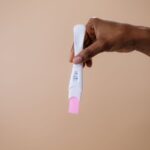
However, none of these distinctions are guaranteed. The only accurate way to know is to wait until after your missed period and take a test. Home pregnancy tests are highly accurate when used correctly at that point, detecting the hormone hCG in your urine.
Other Early Signs to Watch For
If you are wondering whether your soreness could mean pregnancy, look for a cluster of symptoms rather than relying on one. The most common early signs reported by pregnant women include:
- A missed period, which is the strongest single indicator
- Tender, swollen, or heavy breasts
- Frequent urination starting around week 4 to 6
- Nausea, with or without vomiting, often starting around week 6
- Unusual fatigue that feels deeper than normal tiredness
- Mild spotting or light cramping around implantation time
- Food aversions or a sudden sensitivity to smells
Keep in mind that some women experience almost none of these symptoms and are still pregnant. Others experience all of them and are not pregnant. The human body varies widely, and symptom patterns are not a reliable diagnostic tool.
When Body Soreness Is Not Related to Pregnancy
Body soreness is a nonspecific symptom with many causes. If your pregnancy test is negative, or if you are not trying to conceive, consider other explanations. Viral infections like a cold or flu often begin with muscle aches and fatigue. Stress and poor sleep can cause physical tension that feels like soreness. Starting a new exercise routine or increasing workout intensity can also produce delayed muscle soreness.
Certain medical conditions cause widespread body aches as well. Fibromyalgia, chronic fatigue syndrome, and autoimmune conditions like lupus or rheumatoid arthritis all feature muscle and joint pain. If your soreness is persistent, severe, or accompanied by fever, swelling, or redness, seek medical evaluation. These are not typical pregnancy symptoms.
One important caution: if you have a positive pregnancy test and experience severe pain, especially on one side of your lower abdomen, seek medical attention promptly. This can be a sign of an ectopic pregnancy, which requires urgent care.
What to Do If You Suspect Pregnancy
If you are experiencing body soreness and think you might be pregnant, the practical step is to wait until the first day of your missed period and take a home pregnancy test. Testing earlier can produce a false negative because hCG levels may still be too low to detect. If the test is negative but your period does not arrive, wait three to five days and test again.
While you wait, take care of your body. Stay hydrated, rest when you feel tired, and try gentle stretching to ease muscle tension. Warm baths can help relax aching muscles, but avoid water that is hot enough to raise your core body temperature if you may be pregnant. Over-the-counter pain relievers like acetaminophen are generally considered safe in early pregnancy, but ibuprofen is not recommended after conception. If you have concerns, talk to a pharmacist or doctor.
If your test is positive, schedule an appointment with an obstetrician or midwife. Early prenatal care is important for monitoring your health and the baby’s development. Mention your symptoms, including the soreness, so your provider can rule out any underlying issues.
Frequently Asked Questions
Can body aches start before a missed period?
Yes, body aches can begin about one week after conception, which is before your missed period. This happens because progesterone levels rise quickly and relax your muscles.
Does early pregnancy soreness feel like the flu?
It can feel similar to mild flu-like aches, but pregnancy does not cause fever or chills. If you have a fever with body aches, it is more likely a viral infection than pregnancy.
How long does early pregnancy body soreness last?
For many women, the generalized soreness fades as the body adjusts to hormone levels, usually by the end of the first trimester. Some women continue to have back and pelvic aches throughout pregnancy due to relaxin and weight gain.
Is leg soreness a reliable sign of pregnancy?
Leg soreness alone is not reliable because it occurs in many non-pregnant states. It is only meaningful as a pregnancy sign when combined with a missed period and other early symptoms.
