
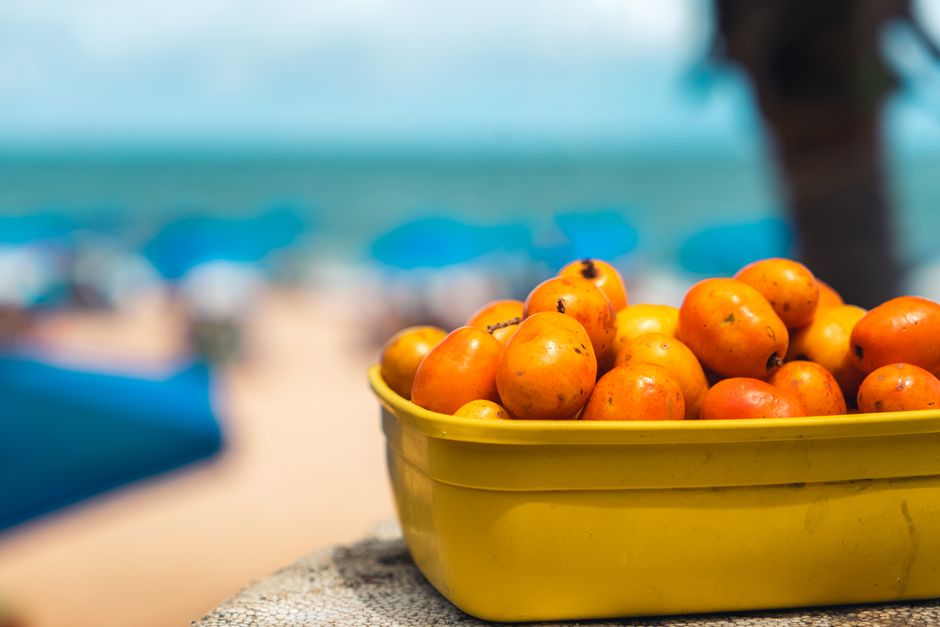
Camu camu is a tart Amazonian fruit known for its extremely high vitamin C content. For most pregnant women, eating camu camu powder in small food amounts is likely safe, but taking it in large supplemental doses is not well studied and should be approached with caution. The real answer is that no clinical guidelines exist for camu camu use during pregnancy, so the safest approach is to treat it like any concentrated supplement and discuss it with your obstetric provider before using it regularly.
What Is Camu Camu and Why Do People Take It?
Camu camu grows as a small reddish-purple berry on a shrub native to the Amazon rainforest, mainly in Peru and Brazil. The fruit is rarely eaten fresh because it is intensely sour. Instead, it is usually dried and ground into a powder, or processed into juice, capsules, and extracts.
The main reason people use camu camu is its vitamin C content. By weight, camu camu contains more vitamin C than oranges, acerola cherries, or most other common fruits. Some commercial products claim it is one of the richest natural sources of vitamin C on earth. That claim is accurate for whole foods, though pure ascorbic acid supplements still deliver a more concentrated dose.
Beyond vitamin C, camu camu also contains small amounts of other plant compounds, including anthocyanins, ellagic acid, and various flavonoids. These compounds have antioxidant properties, which is why some people use camu camu for immune support, skin health, or inflammation. However, most of the research on these effects has been done in animals or small human studies, not specifically in pregnant women.
Is Camu Camu Safe During Pregnancy The Real Answer
The direct answer is that camu camu has not been studied in pregnant women. No clinical trials have evaluated its safety or effectiveness during pregnancy. This means there is no evidence-based dose, no established upper limit, and no confirmed risk profile for this specific fruit supplement in pregnancy.
That said, camu camu is a food. Eating it in amounts comparable to eating other fruit powders or using it as a flavoring in recipes carries a different risk profile than taking concentrated capsules. The concerns are mainly about the concentrated forms and the unknown effects of the plant compounds beyond vitamin C.
Pregnant women need more vitamin C than non-pregnant women — the recommended daily allowance is 85 mg per day during pregnancy, compared to 75 mg for adult women who are not pregnant. But camu camu is not necessary to meet this need. A varied diet with fruits and vegetables easily covers vitamin C requirements. The question is not whether you need camu camu — you do not — but whether the concentrated fruit powder poses any specific risk.
Because no research exists, the honest answer is that camu camu is probably fine in small food amounts, but its safety in high doses during pregnancy is unknown. Unknown does not mean dangerous. It means we do not have the data to say it is safe.
How Much Vitamin C Is Safe During Pregnancy?
Vitamin C is a water-soluble vitamin, which means your body excretes excess amounts in urine rather than storing them. This makes it difficult to reach toxic levels from food alone. However, very high doses from supplements can still cause digestive upset, including diarrhea, nausea, and stomach cramps.
The upper tolerable intake level for vitamin C during pregnancy is 1800 mg per day for women aged 19 and older. This is a safety threshold established by the National Academies of Sciences, Engineering, and Medicine. It represents the highest daily intake unlikely to cause adverse effects. It is not a target — it is a ceiling.
One teaspoon of camu camu powder typically contains somewhere in the range of 400 to 800 mg of vitamin C, depending on the brand and processing method. That is well below the upper limit, but it is also several times more than the daily requirement. Taking multiple servings per day, or combining camu camu with other vitamin C supplements, could push intake toward or past the upper limit.
Keep in mind that the upper limit applies to total vitamin C from all sources — food, fortified products, and supplements combined. If you already take a prenatal vitamin that contains vitamin C, which most do, adding camu camu on top of that increases your total intake.



What Are the Specific Concerns With Camu Camu in Pregnancy?
There are three main areas of concern with camu camu during pregnancy. The first is the lack of safety data. No studies have examined whether the concentrated plant compounds in camu camu cross the placenta, affect fetal development, or interact with pregnancy hormones. This absence of evidence does not prove harm, but it also provides no reassurance.
The second concern is the concentrated nature of the supplement. Camu camu powder is not like eating a fresh fruit. The drying and powdering process concentrates both nutrients and plant compounds. What might be harmless in a small amount of fruit could behave differently in a concentrated extract. This is a general principle of supplement safety, not a specific finding about camu camu.
The third concern is potential interaction with medications or medical conditions. Camu camu is acidic, which could matter for women with severe reflux or gastritis during pregnancy. Some sources suggest that high doses of vitamin C might affect iron absorption, though the evidence here is mixed. If you have gestational diabetes, you should also check the carbohydrate content of any camu camu product you use, as some commercial powders contain added sugar.
There is also a theoretical concern about vitamin C and oxalate. High vitamin C intake can increase oxalate production in the body, and some research suggests this could raise the risk of kidney stones in susceptible people. Pregnancy itself changes kidney function, and some women develop kidney stones during pregnancy. This is not a reason to panic, but it is another reason to avoid mega-dosing on camu camu.
How to Use Camu Camu Safely During Pregnancy
If you decide to use camu camu during pregnancy, the most cautious approach is to treat it as a food ingredient, not as a supplement. A small pinch or a quarter teaspoon added to smoothies, yogurt, or oatmeal provides flavor and some vitamin C without approaching any concerning dose.
Avoid using camu camu capsules or extracts during pregnancy unless your healthcare provider specifically recommends them. These forms deliver much larger amounts of the active compounds, and there is no research to guide safe dosing in pregnancy.
Always read the label carefully. Camu camu products vary widely in concentration. Some powders are pure camu camu, while others are blended with other fruits, herbs, or sweeteners. Some blends may contain ingredients that are not safe during pregnancy.
If you take a prenatal vitamin, check its vitamin C content first. Most prenatal vitamins contain between 60 and 120 mg of vitamin C. Add your camu camu intake to that number and keep the total well below the 1800 mg upper limit. For most women, this means limiting camu camu to no more than a teaspoon or two per day, if using it at all.
What Are the Alternatives to Camu Camu for Vitamin C During Pregnancy?
You do not need camu camu to meet your vitamin C needs during pregnancy. Many common foods provide excellent amounts of vitamin C with a much longer history of safe use. A medium orange contains about 70 mg of vitamin C. A half cup of raw red bell pepper contains about 95 mg. A half cup of cooked broccoli contains about 50 mg.
These whole foods also provide fiber, water, and other nutrients that support digestion and hydration during pregnancy. They are not concentrated extracts, so the risk of excessive intake is essentially zero.
If you prefer a supplement, standard vitamin C tablets or chewables are well studied and widely used during pregnancy. The dose in your prenatal vitamin is likely sufficient. There is no evidence that camu camu provides any benefit over standard vitamin C sources during pregnancy — its appeal is mainly that it is a whole-food source with additional plant compounds, but those compounds have not been studied in pregnancy.
When to Talk to Your Doctor About Camu Camu
You should mention camu camu use to your obstetric provider at your next appointment. This is not because camu camu is known to be dangerous, but because your provider should know about all supplements you are taking. Some providers may have specific advice based on your medical history.
Talk to your doctor before using camu camu if you have a history of kidney stones, gestational diabetes, severe acid reflux, or any condition that affects how your body handles vitamin C or oxalates. Also talk to your doctor if you are taking any prescription medications, as high-dose vitamin C can interact with some drugs, including certain blood thinners and chemotherapy agents.
If you experience any unusual symptoms after taking camu camu — such as severe stomach pain, diarrhea, or allergic-type reactions like rash or swelling — stop using it and contact your healthcare provider.
Frequently Asked Questions
Can I eat camu camu powder while pregnant?
Small amounts used as a food ingredient are likely fine, but no studies confirm safety. Keep servings small, like a quarter teaspoon, and tell your doctor you are using it.
How much vitamin C is too much during pregnancy?
The upper safe limit is 1800 mg per day from all sources combined. Most prenatal vitamins and a normal diet stay far below this, but concentrated supplements can add up quickly.
Is camu camu better than a regular vitamin C supplement for pregnancy?
No evidence shows camu camu is better than standard vitamin C during pregnancy. Regular vitamin C supplements are more studied, and whole foods are the safest option.
Can camu camu cause miscarriage or birth defects?
There is no evidence that camu camu causes miscarriage or birth defects, but no research has evaluated this. The lack of data means the risk is unknown, not disproven.
