
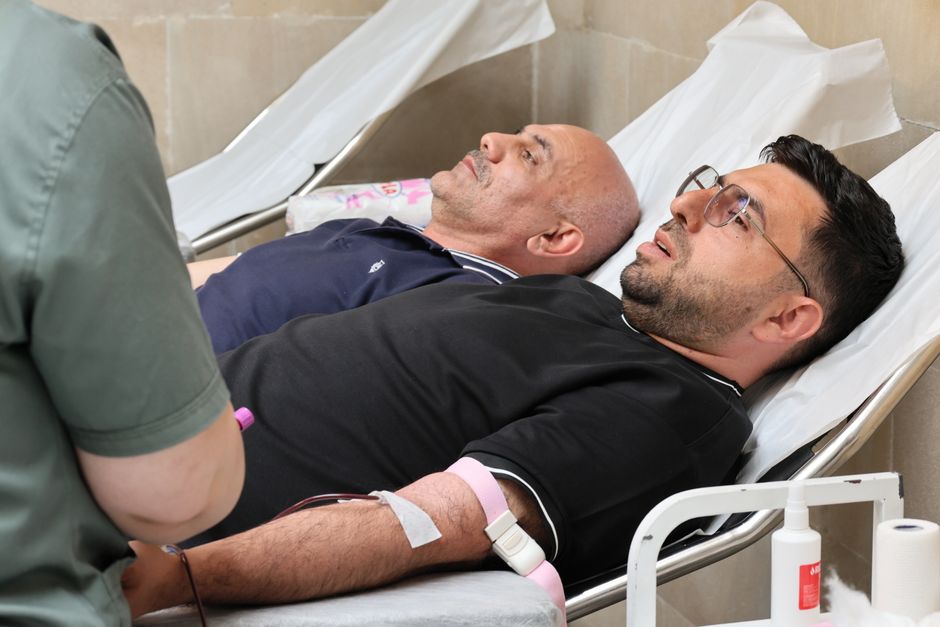
Donating blood does more than save lives. It also offers real, measurable benefits to the person giving it. Every donation triggers a fresh production of red blood cells, burns calories, and provides a free health screening. For many people, the act itself brings a sense of purpose and calm. The physical and mental rewards are backed by decades of medical research, not marketing hype.
What Happens To Your Body Right After You Donate
When you donate blood, your body immediately begins to replace what it lost. A standard whole blood donation is about one pint, roughly 450 to 500 milliliters. Your body has about 10 pints of blood, so you are giving about 10 percent.
Your plasma volume returns to normal within 24 to 48 hours. Red blood cells take longer, usually four to six weeks to fully replace. During that time, your bone marrow works harder to produce new cells. This constant renewal is one reason regular donors often report feeling healthier overall.
Your heart rate and blood pressure may dip slightly right after donation. This is normal. Drinking water and eating a light snack helps your body recover quickly. Most people feel back to normal within a few hours.
Why Donating Blood Is Good For Your Body And Mind: The Physical Benefits
One of the most studied benefits of blood donation is the reduction of iron stores. Iron is essential for health, but too much iron can be harmful. Excess iron accumulates in organs like the liver, heart, and pancreas, and has been linked to conditions such as type 2 diabetes and liver disease.
Regular blood donation lowers iron levels in a controlled, healthy way. This is particularly relevant for men and postmenopausal women, who tend to accumulate iron more easily than younger women. Some research suggests that regular donors have lower rates of certain chronic diseases, though the evidence is not conclusive enough to claim donation prevents any specific condition.
Donating blood also burns calories. Your body uses energy to replace the blood you gave. Estimates suggest you burn about 450 to 650 calories per donation, though this number varies by person. This is not a weight loss strategy. It is simply a side effect of your body doing its job.
The pre-donation screening is another physical benefit. Before every donation, staff check your hemoglobin, blood pressure, pulse, and temperature. You also answer questions about your health history. This screening can catch issues you did not know about, such as low iron or high blood pressure. It is not a full medical exam, but it is a free, regular health check.
The Mental And Emotional Benefits Of Giving Blood
Giving blood feels good. That is not just sentiment. The act of helping others triggers the release of endorphins, the brain’s natural mood elevators. Some donors describe a sense of calm or lightness after donating. This is sometimes called the “helper’s high.”
Research has linked volunteering and altruistic acts to lower stress levels and improved mental well-being. Blood donation is a form of altruism with a clear, immediate impact. You know exactly who you helped and how. This clarity can reduce anxiety and boost self-esteem.
For some people, donating blood provides a sense of control. In a world where many problems feel too big to solve, blood donation is a concrete action. One donation can save up to three lives. Knowing that you made a tangible difference can improve your mood for days.
There is also a social component. Donation centers are often calm, friendly places. Regular donors build relationships with staff and other donors. This social connection is itself a protective factor for mental health.



Does Donating Blood Lower Your Risk Of Heart Disease?
This is one of the most common questions about blood donation. The short answer is that some studies suggest a link, but the evidence is not definitive.
The theory is based on iron. High iron levels can increase oxidative stress, which damages blood vessels and contributes to heart disease. By lowering iron stores, blood donation may reduce this stress. Some observational studies have found that regular blood donors have lower rates of heart attacks and cardiovascular events.
However, observational studies cannot prove cause and effect. People who donate blood may simply be healthier overall. They are screened before each donation, which means they are a self-selected group of relatively healthy individuals. No large randomized controlled trial has confirmed that blood donation directly prevents heart disease.
What can be said confidently is this: blood donation safely lowers iron levels, and lower iron levels are generally associated with better cardiovascular health. Whether that association is causal remains an open question.
Who Should Not Donate Blood
Blood donation is safe for most healthy adults, but not everyone qualifies. The screening process exists to protect both the donor and the recipient.
You generally cannot donate if you have anemia, which means your hemoglobin is below the minimum threshold. The cutoff varies slightly by organization but is typically around 12.5 g/dL for women and 13.0 g/dL for men. If your iron is low, you will be deferred and advised to eat iron-rich foods and try again later.
You may also be deferred if you have certain infections, have traveled to specific countries, or have received a tattoo or piercing in the last few months. These rules are designed to prevent the transmission of bloodborne diseases. They are strict for a reason.
People with chronic conditions such as diabetes or high blood pressure can often donate if their condition is well managed. The key word is managed. If your blood pressure is under control and you feel well, donation is usually permitted.
Pregnant women should not donate blood. The American Red Cross and other major organizations advise waiting until at least six weeks after giving birth. This is because pregnancy depletes iron stores, and donation could leave the mother anemic.
How Often Can You Donate Blood
The frequency of donation depends on the type of donation. Whole blood can typically be given every 56 days, which is eight weeks. This gives your body enough time to fully replace the red blood cells you lost.
Platelet donation is different. Platelets are replenished within a few days, so you can donate them more frequently, up to 24 times per year. Plasma donation also allows for more frequent visits, usually every 28 days.
These intervals are not arbitrary. They are based on the time your body needs to restore its blood components to safe levels. Donating more often than recommended puts you at risk of iron deficiency and anemia.
Regular donors should pay attention to their iron levels. Even with adequate spacing, frequent donation can deplete iron stores over time. Some donation centers now offer iron testing and recommend iron supplements for frequent donors. If you donate regularly, it is wise to eat iron-rich foods like lean meat, beans, and leafy greens.
What To Expect During Your First Donation
Your first donation takes about an hour from start to finish. The actual blood draw lasts only 8 to 10 minutes. The rest is paperwork, screening, and recovery time.
You will start with a health questionnaire and a quick physical check. Staff will test a drop of your blood to measure your hemoglobin. If everything looks good, you will be seated in a donation chair.
The needle insertion feels like a quick pinch. Many people are nervous, but the discomfort is brief. During the draw, you can relax, read, or talk with staff. Afterward, you rest for 15 minutes and enjoy a snack and fluids.
Most people tolerate donation very well. The most common side effects are lightheadedness, fatigue, and bruising at the needle site. These are usually mild and resolve within a day. Serious complications are rare.
Drink extra water before and after your appointment. Eat a full meal beforehand, but avoid fatty foods, which can affect blood testing. Wear comfortable clothing with sleeves that can be rolled up.
Frequently Asked Questions
How much blood is taken during a donation?
A standard whole blood donation is about one pint, roughly 450 to 500 milliliters. This is about 10 percent of the average adult’s total blood volume.
Can donating blood make you tired?
Some people feel tired for a few hours after donating, which is normal. Your body replaces plasma within 48 hours, but red blood cells take four to six weeks to fully recover.
Does donating blood hurt?
The needle insertion feels like a quick pinch that lasts a few seconds. The actual donation process is painless for most people.
Will donating blood lower my iron permanently?
No. Donation lowers iron temporarily, and your body replenishes it over several weeks. Frequent donors should monitor iron levels, but normal donation intervals are designed to prevent permanent deficiency.
