

The average adult human body holds about 10.5 pints of blood. That is the simple answer. But the exact number changes based on your body size, your sex, and even whether you are pregnant. A smaller person might have closer to 8 pints, while a larger person can carry 12 pints or more.
Blood volume is not a fixed number. It scales with your weight. Understanding how much blood you have matters for medical procedures, blood donations, and knowing what a normal blood loss looks like.
How Many Blood Pints In A Human Body?
For an average adult, the total blood volume is about 5 liters. Since one liter equals roughly 2.1 pints, that comes to about 10.5 pints. This is the standard figure used in medical education and clinical practice.
Children have less blood because they weigh less. A newborn baby has only about half a pint. A child who weighs 50 pounds has roughly 2.5 pints. The number grows steadily as the child grows.
Your blood volume also changes throughout the day. It increases after you drink fluids and decreases if you become dehydrated. These shifts are normal and your body adjusts to them quickly.
How Blood Volume Is Calculated
Blood volume is typically estimated as a percentage of body weight. For most adults, blood makes up about 7 to 8 percent of total body weight. This is a well-established clinical standard used by doctors and researchers.
The calculation works like this. A person who weighs 70 kilograms, or about 154 pounds, has roughly 5 liters of blood. That works out to about 70 milliliters of blood per kilogram of body weight. This formula is standard in medical textbooks.
Men tend to have slightly more blood per kilogram than women. This is because men generally have more muscle mass, and muscle tissue requires more blood supply than fat tissue. The difference is about 5 to 10 percent.
Blood volume is not measured directly in routine care. Doctors estimate it using weight-based formulas. Direct measurement is only done in research settings or in critical care situations where precise fluid balance matters.
Why Blood Volume Changes
Pregnancy is one of the most significant causes of increased blood volume. A pregnant woman’s blood volume increases by about 40 to 50 percent by the third trimester. This extra blood supports the growing fetus and prepares the body for blood loss during delivery.
This means a pregnant woman may carry 14 to 15 pints of blood near the end of her pregnancy. Her heart works harder to pump this additional volume, which is why pregnant women often feel warmer and may have a faster resting heart rate.
Body composition matters too. Muscle tissue holds more blood than fat tissue. Two people who weigh the same can have different blood volumes if their body composition differs. An athlete with more muscle mass will have more blood than someone with higher body fat at the same weight.
Altitude also affects blood volume. People who live at high altitudes produce more red blood cells to compensate for lower oxygen levels. This increases total blood volume. Someone moving from sea level to a mountain town will see their blood volume rise over several weeks.


How Much Blood Can You Lose Safely?
The human body can lose about 15 percent of its blood volume before serious symptoms appear. For an average adult with 10.5 pints, that is about 1.5 pints. At this level, you might feel lightheaded or tired, but your body compensates.
Blood loss between 15 and 30 percent causes more noticeable symptoms. Your heart rate increases, your blood pressure drops, and you may feel anxious or confused. This is about 1.5 to 3 pints for an average adult. Medical attention is needed at this stage.
Losing more than 30 percent of your blood volume is a medical emergency. This is roughly 3 to 4 pints for an average adult. At this level, your organs may not get enough oxygen, and you are at risk of hypovolemic shock. Emergency treatment with IV fluids and blood transfusions is required.
These percentages are based on established medical guidelines for hemorrhage classification. The Class I through Class IV system used in trauma care follows these thresholds.
Blood Donation and Blood Volume
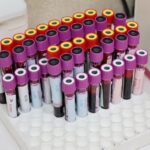
A standard blood donation collects about one pint of blood. This is roughly 470 to 500 milliliters. For an average adult with 10.5 pints, this represents less than 10 percent of total blood volume.
This is why most healthy adults tolerate blood donation well. The body replaces the fluid portion of the blood within 24 to 48 hours. Red blood cells take longer to fully replace, usually about 4 to 6 weeks. This is why donation centers require a waiting period between donations.
Donation guidelines exist to protect donors. You must weigh at least 110 pounds to donate in the United States. This ensures that the pint removed does not represent too large a percentage of your total blood volume.
If you weigh less than 110 pounds, a standard pint donation would represent too much blood loss. Smaller donation volumes may be possible in some settings, but standard blood banks do not typically offer this option.
Medical Conditions That Affect Blood Volume
Several medical conditions change blood volume significantly. Heart failure can cause fluid retention, which increases blood volume. Kidney disease can do the same because the kidneys normally regulate fluid balance.
Anemia reduces the red blood cell portion of blood but may not change total fluid volume. A person with anemia has the same total blood volume but fewer red blood cells within that volume. This is why anemia causes fatigue and shortness of breath rather than low blood pressure.
Dehydration reduces blood volume. When you lose fluids through sweating, vomiting, or diarrhea, the liquid portion of your blood decreases. This makes your blood thicker and your heart work harder. Severe dehydration can reduce blood volume enough to cause dizziness and fainting.
Burns are another cause of reduced blood volume. Burned skin loses its ability to hold fluid, and plasma leaks out of damaged tissues. Severe burns can cause dangerous drops in blood volume within hours.
How Your Body Maintains Blood Volume
Your body has several systems that keep blood volume stable. The kidneys are the primary regulators. They adjust how much water you retain or excrete based on signals from your blood vessels and heart.
When blood volume drops, your kidneys release a hormone called renin. This triggers a chain of events that causes blood vessels to constrict and the kidneys to hold onto water. Your blood pressure rises back toward normal.
When blood volume is too high, your kidneys excrete more water. This is why drinking large amounts of fluid leads to more frequent urination. Your body maintains a precise balance.
The spleen also plays a role. It stores a small amount of blood that can be released into circulation when needed. This reserve is modest, usually less than half a pint, but it helps during sudden blood loss.
Frequently Asked Questions
How many pints of blood are in the average adult body?
The average adult has about 10.5 pints of blood. This varies based on body weight, sex, and overall health.
How much blood can you lose before it becomes dangerous?
Losing about 1.5 pints, or 15 percent of total blood volume, causes mild symptoms. Losing more than 3 pints is a medical emergency.
Does donating a pint of blood reduce your blood volume significantly?
No. A standard donation removes about one pint, which is less than 10 percent of an average adult’s total blood volume.
Why do pregnant women have more blood?
Blood volume increases by about 40 to 50 percent during pregnancy to support the fetus and prepare for delivery. This is a normal and expected change.
Knowing how much blood you have is more than a trivia fact. It helps you understand blood donation limits, recognize when blood loss is serious, and appreciate how your body constantly works to keep its blood volume stable.
If you have concerns about your blood volume or a condition that might affect it, talk to your doctor. They can assess your specific situation and explain what is normal for you.
