
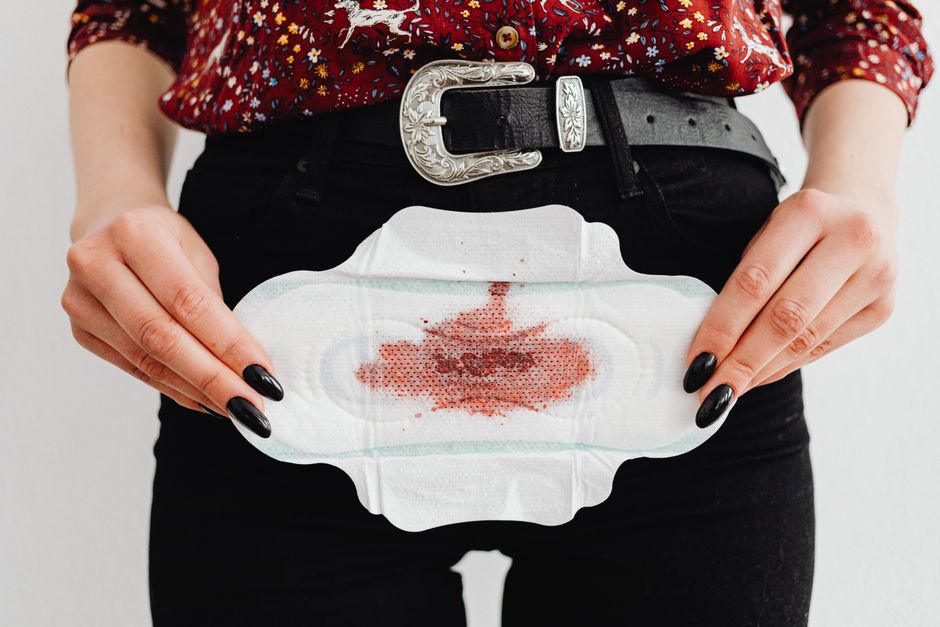
Yes, your body makes more blood after you lose it. This is a core function of human biology. Your body constantly works to keep your blood volume and cell counts stable. When you lose blood, whether from a donation, an injury, or a medical procedure, your body immediately starts the process of replacing it.
How Does Your Body Replace Lost Blood?
Blood is not a single substance. It is made of liquid plasma and solid cells. Your body replaces these parts on different timelines.
Plasma is the liquid part of blood. It carries cells, nutrients, and waste. Your body restores plasma volume within 24 to 48 hours after blood loss. This is why you can feel better quickly after a donation even though your cell counts are still low.
Red blood cells take longer. They carry oxygen. Your body needs several weeks to fully replace a standard unit of red blood cells. The exact time depends on your health, your iron stores, and your age.
What Triggers the Body to Make New Blood?
Your kidneys sense when oxygen levels in your blood drop. When blood loss reduces oxygen delivery, your kidneys release a hormone called erythropoietin. This hormone travels to your bone marrow.
Your bone marrow is the factory where blood cells are made. Erythropoietin signals the marrow to produce more red blood cells. This process is called erythropoiesis.
Your body also has stored iron. Iron is a key building block for hemoglobin, the protein in red blood cells that carries oxygen. When you lose blood, your body pulls from these iron stores to build new cells.
How Long Does It Take to Fully Recover?
Recovery time depends on how much blood you lost. A standard blood donation removes about one pint of blood. Your plasma volume is back to normal within two days. Your red blood cells take four to six weeks to fully replenish.
Larger blood losses take longer. A significant injury that requires hospital care may take months to fully recover. Your body can only produce a limited number of new cells each day.
Your diet matters during this time. Your body needs iron, vitamin B12, and folate to build new blood cells. If your nutrient stores are low, production slows down.




Can Your Body Replace Severe Blood Loss on Its Own?
No. Your body has limits. A healthy adult has about 10 to 12 pints of blood. Losing more than 40 percent of your blood volume is life-threatening.
At that level, your body cannot keep up. Your organs do not get enough oxygen. Your blood pressure drops dangerously low. This condition is called hemorrhagic shock.
Medical treatment is required for severe blood loss. Doctors give intravenous fluids to restore volume quickly. They may also give blood transfusions to replace red blood cells and clotting factors. In emergency situations, this is life-saving care.
What Happens to Iron Stores After Blood Loss?
Iron is essential for making new red blood cells. When you lose blood, you lose iron with it. Each pint of blood contains about 200 to 250 milligrams of iron.
Your body stores iron in your liver, spleen, and bone marrow. These stores are used to make new red blood cells. If your stores are low, you may develop iron deficiency anemia.
Blood donors are often advised to wait eight weeks between donations. This gives their iron stores time to rebuild. Some research suggests that longer intervals may be needed for some people, especially women with heavy menstrual bleeding.
Symptoms of low iron include fatigue, weakness, pale skin, and shortness of breath. If you have these symptoms after blood loss, a blood test can check your iron levels.
Does Your Body Make More Blood After Loss? Yes — Here Is What That Means
The short answer is yes. Your body is designed to replace lost blood. The process is automatic and begins within minutes of blood loss.
Your bone marrow increases production of new cells. Your kidneys release hormones that signal the marrow to work faster. Your body prioritizes restoring plasma volume first because that stabilizes your blood pressure and keeps your organs perfused.
Red blood cell production follows at a slower pace. Full recovery of red blood cells takes weeks, not days. This is why doctors recommend waiting between donations and why recovery from major surgery takes time.
When Should You See a Doctor About Blood Loss?
Not all blood loss is an emergency. But some situations require medical attention.
Seek immediate care if you experience:
- Heavy bleeding that does not stop
- Blood in vomit or stool
- Coughing up blood
- Dizziness, fainting, or confusion after blood loss
- Rapid heart rate or rapid breathing
- Cold, clammy skin
These symptoms may indicate significant blood loss. Do not wait to see if your body can handle it on its own. Medical evaluation is the safe choice.
Chronic blood loss can also be a concern. Heavy menstrual periods, bleeding ulcers, or slow internal bleeding can cause gradual anemia. If you feel persistently tired or short of breath, a doctor can run simple blood tests to check your counts.
Can You Speed Up Blood Recovery?
Your body does the work. You cannot force it to make blood faster. But you can support the process.
Eating iron-rich foods helps. Red meat, poultry, fish, beans, lentils, and fortified cereals are good sources. Vitamin C helps your body absorb iron, so pairing iron-rich foods with citrus fruits or tomatoes is useful.
Do not take iron supplements without a doctor’s recommendation. Excess iron can be harmful. Your doctor can test your ferritin levels to see if you actually need supplements.
Staying hydrated supports plasma volume. Drinking water after blood loss helps your body restore the liquid part of blood. This is simple and effective.
Avoid alcohol after significant blood loss. Alcohol can interfere with your body’s ability to produce new blood cells and may increase bleeding risk.
Does Diet Affect Blood Production?
Yes, but only if you have a deficiency. Your body will use its stored nutrients to make blood. If your stores are adequate, extra nutrients do not speed up production.
If your iron, vitamin B12, or folate levels are low, your blood production will slow down. This is common in people who eat a restrictive diet or have absorption issues.
Vitamin B12 is found in animal products. Folate is found in leafy greens, beans, and citrus. Deficiencies in either can cause anemia that mimics blood loss anemia.
If you are concerned about your nutrient levels, ask your doctor for a blood test. Guessing and supplementing without testing is not recommended.
Frequently Asked Questions
How long does it take for your body to make new blood?
Plasma volume is restored within 24 to 48 hours. Red blood cells take four to six weeks to fully replenish after a standard blood donation.
Can you lose too much blood to recover?
Yes. Losing more than 40 percent of your blood volume is life-threatening and requires emergency medical treatment. Your body cannot replace that much blood on its own.
Does drinking water help replace lost blood?
Drinking water helps restore plasma volume, the liquid part of blood. It does not replace red blood cells or iron.
How much blood can you lose before needing a transfusion?
Transfusion decisions depend on your symptoms, medical history, and hemoglobin levels. Doctors typically consider transfusion when blood loss is significant enough to threaten oxygen delivery to organs.
Do you need to eat more after losing blood?
Your body needs iron, vitamin B12, and folate to make new blood cells. Eating a balanced diet with these nutrients supports recovery, but extra calories alone do not speed up blood production.
