
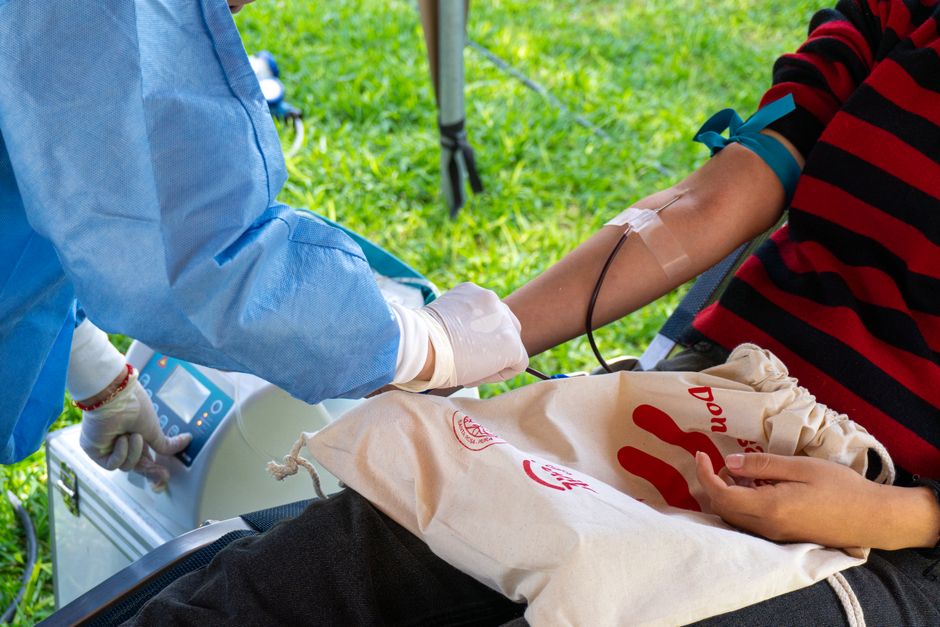
Donating plasma involves a needle stick, just like donating blood, but many people report the process feels different. The short answer is that plasma donation can feel more uncomfortable than a standard blood donation, mainly because of the procedure itself, not the initial needle poke. The needle is in your arm longer, and some people feel a cold sensation or a mild tingling in their lips and fingers from the citrate anticoagulant used during the process.
What Actually Happens During Plasma Donation
Plasma donation uses a machine called a plasmapheresis device. The machine draws your blood, spins it to separate the plasma from the red blood cells and platelets, and then returns the cellular parts back to your body with a saline solution.
This process is called a cycle. One donation involves several cycles of draw and return. Each cycle takes a few minutes, and the entire donation usually takes about 90 minutes for a full plasma donation. Compare that to a whole blood donation, which takes about 10 minutes of actual collection time.
The longer time is the main reason plasma donation can feel more tedious. You are sitting in a chair with a needle in your arm for over an hour, whereas a blood donation is over in a few minutes.
Does the Needle Stick Itself Hurt More?
The needle used for plasma donation is similar in size to the one used for blood donation. Both use a needle that is larger than a standard blood draw needle used for lab tests. The initial stick feels the same for most people — a sharp pinch that lasts a few seconds.
Some donors report that the needle insertion feels slightly more intense during plasma donation because the needle is often placed in the antecubital vein, the vein inside the elbow. This is a standard location for both procedures, so the sensation is comparable.
The real difference is not the stick itself. It is what happens after the needle is in place.
Why Plasma Donation Can Feel More Uncomfortable
The discomfort during plasma donation comes from two main sources: the citrate and the return cycle.
Citrate is an anticoagulant mixed with your blood as it enters the machine. It prevents clotting so the machine can separate the components. When the red blood cells and platelets are returned to your body, some citrate comes back with them. This can cause a temporary drop in your blood calcium levels.
The most common side effects of citrate are:
- A tingling sensation in the lips, fingers, or toes
- A metallic taste in the mouth
- A feeling of coolness or coldness
- Mild muscle twitching
These symptoms are usually mild and pass quickly after the donation ends. The center staff monitors donors for these signs and can slow the machine or pause the return cycle if symptoms become bothersome.
The return cycle itself can also cause a strange sensation. When your blood cells and saline are pushed back into your arm, some people feel a cold rush or a slight pressure. This is normal and not painful, but it can be surprising the first time.



How Does This Compare to Blood Donation Pain?
Whole blood donation is simpler. The needle goes in, blood flows into a bag, and the needle comes out. There is no citrate and no return cycle. The entire process is over in about 10 minutes.
Most people describe blood donation as a brief pinch followed by a dull pressure. The discomfort after donation is usually limited to a small bruise at the needle site.
Plasma donation involves the same pinch, but then adds the prolonged sitting, the citrate sensations, and the repeated pressure of the return cycles. For many people, this is not painful in the traditional sense, but it is more uncomfortable overall.
One study published in the medical journal Transfusion found that most donors rated plasma donation as mildly uncomfortable but not painful. The study noted that first-time donors were more likely to report discomfort than repeat donors, suggesting that familiarity reduces the perceived difficulty.
What Does the Bruising and Recovery Look Like?
Bruising at the needle site is possible with both plasma and blood donation. The risk is similar because both use a needle in the same type of vein.
Plasma donation does have one additional recovery consideration. Because the procedure takes longer and involves multiple cycles, the needle moves slightly more in the vein. This can increase the chance of a small bruise or a sore arm afterward.
Most donors report that their arm feels normal within a day. A small bruise may take a week to fade completely. Applying pressure after the needle is removed and keeping your arm straight for a few minutes reduces bruising risk.
Your body replaces the plasma you donated within 24 to 48 hours. This is faster than red blood cell replacement, which takes several weeks. This is why plasma can be donated more frequently than whole blood.
Who Should Not Donate Plasma?
Plasma donation is not right for everyone. People with certain medical conditions or risk factors should not donate.
You should not donate plasma if you have:
- A history of hepatitis B or C
- HIV or AIDS
- Certain autoimmune conditions
- Severe heart or lung disease
- A bleeding disorder
- Active cancer
Pregnant women and people with low iron levels are also typically deferred. The screening process at the donation center will review your medical history and check your vital signs before each donation.
Plasma donation is generally safe for healthy adults. The most common side effects are dehydration, dizziness, and fatigue. Drinking water before and after donation and eating a meal beforehand reduces these risks.
How Often Can You Donate Plasma?
The frequency of plasma donation depends on the regulations in your country and the policies of the specific center.
In the United States, many centers allow plasma donation up to twice in a seven-day period, with at least 48 hours between donations. This is possible because plasma regenerates quickly.
However, donating twice a week is not recommended for everyone. Some people find that frequent donation leads to fatigue or low protein levels. Your body needs protein to make new plasma, and if you donate too often without adequate protein intake, your levels can drop.
Listen to your body. If you feel tired, dizzy, or unwell after a donation, wait longer before your next one. The center staff can also check your protein levels before each donation to ensure you are safe to proceed.
Does Donating Plasma Hurt More Than Blood? A Fair Comparison
For most people, plasma donation is not more painful in terms of the needle stick. The initial poke feels nearly identical to a blood donation.
The difference is the overall experience. Plasma donation takes longer, involves the citrate sensation, and includes the return cycle pressure. These factors make it more uncomfortable for many donors, even if the pain level is similar.
Some people prefer plasma donation because they can donate more frequently and help more patients. Others prefer whole blood because it is faster and simpler. Neither choice is wrong.
If you are considering plasma donation, the best approach is to try it once. Bring something to read or listen to, drink plenty of water beforehand, and tell the staff if you feel any discomfort during the process. They are trained to adjust the procedure to keep you comfortable.
Frequently Asked Questions
Is plasma donation more painful than giving blood?
Most people find the needle stick similar for both, but plasma donation is more uncomfortable overall because it takes longer and involves the citrate return cycle.
Why does plasma donation make my lips tingle?
The tingling is caused by the citrate anticoagulant temporarily lowering your blood calcium levels during the donation.
How long does a plasma donation take?
A full plasma donation usually takes about 90 minutes, compared to about 10 minutes for a whole blood donation.
Can I donate plasma if I am afraid of needles?
Many people with needle anxiety successfully donate plasma, but the longer procedure time can make it more challenging than a quick blood donation.
