
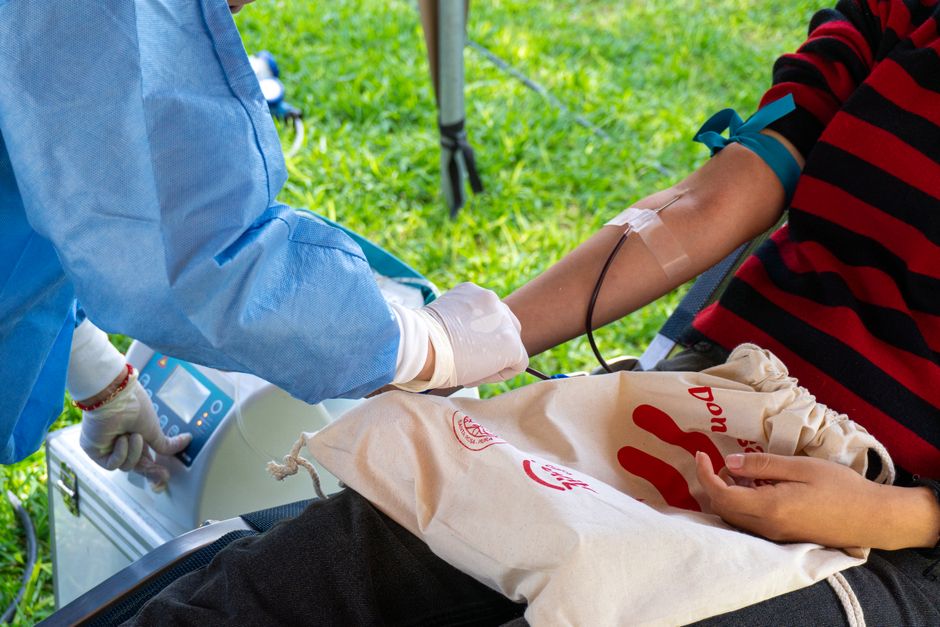
Donating plasma pays more than donating whole blood, and the difference is significant. Whole blood donation is almost always unpaid, while plasma donors in the United States typically earn between $30 and $70 per visit, with new donor bonuses sometimes reaching $700 or more in the first month. The exact amount depends on your location, the center, your weight, and how often you return.
Why Does Plasma Pay When Blood Does Not?
Whole blood donation is voluntary and unpaid in the United States. Blood banks collect it from volunteer donors and distribute it to hospitals. The FDA does not allow blood banks to pay for whole blood because it could encourage donors to hide health problems that would make the blood unsafe.
Plasma is different. The FDA permits payment for plasma because the collection process is longer and more involved, and the demand is constant. Plasma is used to make life-saving therapies for people with rare diseases, immune disorders, and severe burns. The pharmaceutical industry needs a steady supply, and payment helps keep donors coming back.
Plasma donation takes about 90 minutes from start to finish. The actual collection takes 40 to 60 minutes. During that time, a machine draws your blood, separates the plasma, and returns the red blood cells and platelets to your body. You cannot donate plasma more than twice in a seven-day period, and the FDA requires at least 48 hours between donations.
How Much Can You Make Donating Blood Or Plasma Per Visit?
Plasma centers pay per visit, and the rate is not fixed. First-time donors often earn more because centers run aggressive new donor promotions. A common structure looks like this:
- New donor bonus: $50 to $100 per donation for the first 4 to 8 visits
- Return donor rate: $30 to $60 per visit
- Weight-based tier: heavier donors produce more plasma and may earn slightly more
- Monthly promotions: some centers add $10 to $20 bonuses for hitting a donation target
Your weight matters because the amount of plasma you can safely donate is tied to your body size. Most centers have a minimum weight requirement of 110 pounds. Donors who weigh more can give more plasma per session, and some centers pay them a higher rate to reflect that.
Location also matters. Centers in large cities tend to pay more because competition for donors is stronger. Rural centers may pay less. You can check the current rates at your local center, but expect the base rate to fall between $30 and $70 per donation.
How Much Can You Earn Per Month Donating Plasma?
The FDA allows a maximum of two plasma donations per seven-day period. That means you can donate roughly 8 to 10 times per month, depending on how the calendar falls.
At the low end, 8 donations at $30 each comes to $240 per month. At the high end, 10 donations at $70 each comes to $700 per month. Most regular donors land somewhere in the middle, earning $300 to $500 per month.
New donor promotions change the math. If a center offers $700 for your first month of donations, that is a real number some centers use. The catch is that it requires completing all the scheduled visits, usually 8 donations in 4 weeks. Miss one visit and you may not get the full bonus.
Some centers use a tiered system that rewards consistency. Donate twice a week for a full month and the per-visit rate may increase. This is a retention strategy, not a guarantee. The specific structure varies by company and location.



What Is the Actual Time Commitment?
Your first visit takes longer because of the health screening. Plan for 2 to 3 hours. The center will check your vital signs, test your blood for protein levels and hematocrit, and review your medical history. You will need to bring a government-issued ID, proof of address, and your Social Security number.
Subsequent visits are faster. Most regular donors are in and out in about 90 minutes. That includes the screening questionnaire, a quick vital check, and the donation itself.
If you are calculating an hourly rate, be realistic. Earning $50 for a 90-minute visit works out to about $33 per hour. But you cannot forget the travel time, the wait, and the fact that you need to feel well enough to donate. This is not passive income. It is a physical commitment.
Are There Health Risks or Side Effects?
Plasma donation is generally safe for healthy adults, but it is not without side effects. The most common issues are lightheadedness, fatigue, and bruising at the needle site. These usually resolve within a day.
Dehydration is a real concern. Plasma is mostly water, and removing it can leave you feeling drained. Centers recommend drinking plenty of fluids before and after donation. Eating a meal with protein before you arrive also helps.
More serious complications are rare but possible. Nerve injury from the needle, fainting, and citrate reactions can occur. Citrate is an anticoagulant used during the process to keep your blood from clotting in the machine. Some people experience a tingling sensation in their lips or fingers when citrate levels rise. This is usually mild, but you should tell the staff if it happens.
Your body replaces the donated plasma within 24 to 48 hours. The protein levels take a bit longer to fully recover. This is why the FDA enforces the 48-hour minimum between donations and the two-per-week maximum.
Who Should Not Donate Plasma?
Not everyone qualifies. You must be at least 18 years old in most states, weigh at least 110 pounds, and pass a medical screening. Some states allow 16 and 17 year olds to donate with parental consent, but this is not common for paid plasma.
Certain medical conditions disqualify you. These include hepatitis, HIV, active infections, and some autoimmune disorders. You also cannot donate if you are pregnant or recently gave birth.
Certain medications disqualify you as well. Blood thinners, some acne medications, and certain antibiotics can make your plasma unsuitable for use. The center will review your medication list during the screening.
Tattoos and piercings do not automatically disqualify you, but there may be a waiting period. If you got a tattoo in the past few months, check with the center. Some require a 3-month waiting period from the date of the tattoo, depending on the state where it was done.
Is Donating Plasma Worth the Money?
For many people, yes. If you are healthy, meet the eligibility requirements, and have the time, donating plasma twice a week can add $300 to $500 to your monthly income. That is real money for a relatively short time commitment.
But it is not free money. You are spending time, using your body’s resources, and accepting some physical discomfort. The needle stick hurts. Some people feel tired afterward. And the long-term effects of frequent donation are not fully studied, though the FDA’s limits are designed to keep donation safe.
Some research suggests that frequent plasma donation can lower protein levels in your blood over time. Most donors recover fully between donations, but the evidence on very frequent, long-term donation is limited. If you donate regularly for months or years, it is reasonable to have your protein levels checked periodically by your doctor.
How to Maximize Your Earnings Safely
If you decide to donate, there are ways to get the most value without cutting corners on safety.
- Drink plenty of water the day before and the day of donation
- Eat a high-protein meal 2 to 3 hours before your appointment
- Schedule your two weekly donations with at least 48 hours between them
- Ask about referral bonuses — many centers pay $50 to $100 for each friend you bring in
- Track promotions. Centers frequently change their bonus structures, and loyalty programs can add value
Do not donate more often than the FDA allows to chase higher earnings. The two-per-week limit exists for your safety. Exceeding it does not double your income — it increases your risk of complications and may get you deferred from the center.
Frequently Asked Questions
How much can you make donating blood or plasma for the first time?
First-time plasma donors can earn $50 to $100 per visit during the new donor period, with some centers offering total first-month bonuses of $700 or more if you complete all scheduled donations. Whole blood donation pays nothing.
Can you donate plasma twice a week?
Yes, the FDA allows plasma donation twice in a seven-day period, with at least 48 hours between donations. Most centers operate on this schedule, which works out to about 8 to 10 donations per month.
Does donating plasma hurt?
You will feel a needle stick when the IV is inserted, similar to a blood draw. Some donors report a mild tingling sensation during donation due to the citrate anticoagulant, but this is usually brief and manageable.
Is donating plasma safe for long-term regular donors?
The FDA limits are designed to keep donation safe, and most regular donors recover fully between sessions. However, long-term frequent donation can lower blood protein levels, and the evidence on years of continuous donation is limited, so periodic checkups with your doctor are reasonable.
