
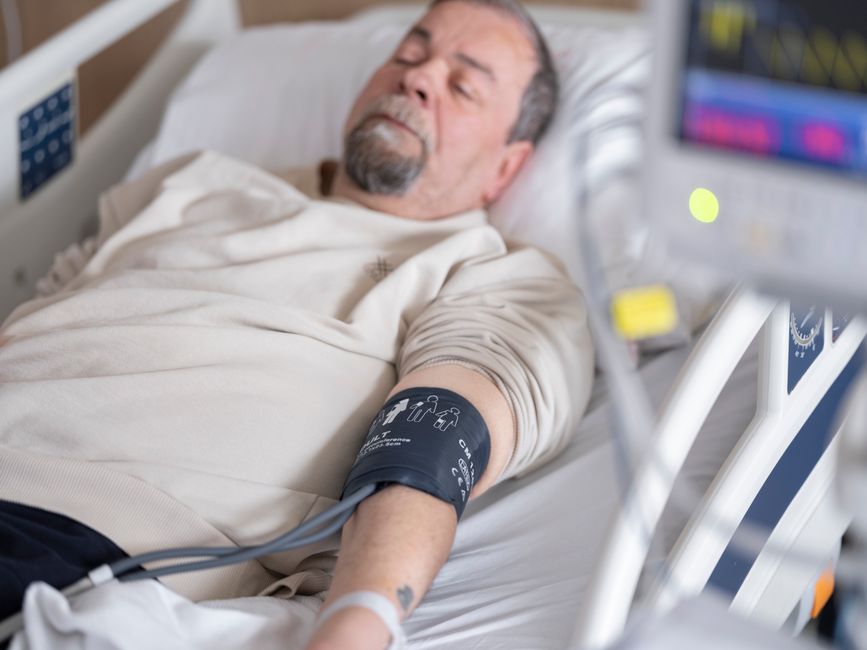
Going to sleep with high blood pressure is generally safe for most people, provided it is not a medical emergency. If your blood pressure is moderately elevated and you have no symptoms of a hypertensive crisis, sleeping is actually what your body needs. However, if you are experiencing severe headache, chest pain, shortness of breath, or vision changes alongside a very high reading (180/120 mm Hg or higher), do not go to sleep — seek emergency medical care immediately. The key is knowing the difference between a manageable reading and a crisis.
What Blood Pressure Reading Is Safe to Sleep With?
The American Heart Association defines normal blood pressure as below 120/80 mm Hg. Elevated blood pressure is 120-129 systolic with diastolic under 80. Stage 1 hypertension is 130-139 systolic or 80-89 diastolic. Stage 2 is 140/90 or higher.
Most people with Stage 1 or Stage 2 hypertension can safely go to sleep if they feel otherwise fine. The body naturally lowers blood pressure during sleep by 10-20%, a process called nocturnal dipping. This is normal and healthy. The concern arises when readings are severely high.
Hypertensive crisis is defined as a reading of 180/120 mm Hg or higher. The CDC states that at this level, organ damage can occur quickly. If your reading is this high and you have no symptoms, wait 5 minutes and check again. If it stays that high, call your doctor. If you have any symptoms at this level, go to the emergency room.
Can You Go To Sleep With High Blood Pressure If You Feel Fine?
Research published in the Journal of the American Medical Association found that many people with hypertension have no symptoms at all. High blood pressure is often called the silent killer for this reason. Feeling fine does not mean your blood pressure is safe long-term, but it does mean you are not in immediate danger.
If you check your blood pressure at home and it reads 150/95, but you feel normal, you can go to sleep. The real risk is not the single night — it is the months and years of untreated high blood pressure. One high reading at bedtime is rarely an emergency by itself.
That said, consistent nighttime hypertension is a separate concern. Some studies suggest that nighttime blood pressure is actually a stronger predictor of heart disease risk than daytime readings. If your blood pressure stays high at night regularly, that warrants medical attention during normal hours.
What Happens to Blood Pressure During Sleep?
Blood pressure naturally follows a circadian rhythm. It typically drops during sleep by 10-20% compared to daytime levels. This is known as nocturnal dipping. People whose blood pressure does not drop at night — called non-dippers — may have higher cardiovascular risk.
A study in the journal Hypertension found that non-dippers had a 20% higher risk of cardiovascular events compared to those with normal dipping patterns. This is why doctors sometimes recommend ambulatory blood pressure monitoring, where you wear a device that takes readings every 30 minutes for 24 hours.
Sleep quality also affects blood pressure. Poor sleep, sleep apnea, and insomnia can all raise nighttime blood pressure. Addressing sleep disorders can sometimes lower blood pressure more effectively than medication adjustments.
| Blood Pressure Category | Systolic (top number) | Diastolic (bottom number) | Can you sleep? |
|---|---|---|---|
| Normal | Less than 120 | Less than 80 | Yes, no concern |
| Elevated | 120-129 | Less than 80 | Yes, monitor regularly |
| Stage 1 Hypertension | 130-139 | 80-89 | Yes, but see doctor |
| Stage 2 Hypertension | 140 or higher | 90 or higher | Yes, if no symptoms |
| Hypertensive Crisis | 180 or higher | 120 or higher | No, seek emergency care |


Can High Blood Pressure Cause Problems While You Sleep?
Yes, but not in the way most people think. High blood pressure itself does not typically wake you up or cause discomfort during sleep. The problems are more subtle and long-term.
Untreated hypertension can damage blood vessels over time, including those in the brain. This increases the risk of stroke, including strokes that happen during sleep. A 2019 study in the journal Neurology found that people with untreated hypertension had a 50% higher risk of silent strokes — small strokes that cause no immediate symptoms but accumulate brain damage over years.
Sleep apnea is commonly linked with high blood pressure. When you stop breathing during sleep, oxygen levels drop and your body releases stress hormones that spike blood pressure. This cycle repeats all night. If you snore loudly, wake up gasping, or feel exhausted despite sleeping enough hours, sleep apnea could be driving your hypertension.
What Should You Do If Your Blood Pressure Is High Before Bed?
First, confirm the reading. Sit quietly for 5 minutes with your feet flat on the floor and your arm supported at heart level. Take two readings one minute apart. If the second reading is significantly lower, the first was likely a stress reaction.
If the reading is between 140/90 and 179/119 and you feel fine, take your regular medication if prescribed. Do not take extra doses unless your doctor specifically told you to. Extra medication can drop blood pressure too low, which carries its own risks.
If your reading is 180/120 or higher, wait 5 minutes and check again. If it stays that high and you have no symptoms, call your doctor’s on-call line. If you have any of these symptoms, go to the emergency room:
- Severe headache that came on suddenly
- Chest pain or pressure
- Shortness of breath
- Vision changes or blurry vision
- Numbness or weakness on one side of the body
- Difficulty speaking
- Severe anxiety or confusion
What Not to Do When Your Blood Pressure Is High at Night
Do not take a hot shower or bath. Hot water can cause blood vessels to dilate suddenly, which might drop blood pressure too fast and cause fainting. Cold water can constrict vessels and raise pressure further. Stick to room temperature water if you need to cool down.
Do not drink caffeine or alcohol to calm yourself. Caffeine raises blood pressure temporarily. Alcohol may lower it initially but often causes a rebound spike hours later, disrupting sleep and raising morning readings.
Do not exercise. Physical activity raises blood pressure during the activity. While regular exercise lowers blood pressure long-term, doing pushups or running in place at midnight to lower a high reading is not safe.
Do not ignore severe symptoms because you do not want to go to the ER. Some people delay care because they think they can sleep it off. A hypertensive crisis can cause organ damage within hours. The ER can give medication that works within minutes.
How to Lower Blood Pressure Before Sleep Safely
Deep breathing is one of the few things that can lower blood pressure in minutes. Slow, diaphragmatic breathing at 6 breaths per minute activates the vagus nerve and triggers a relaxation response. Research in the Journal of Clinical Hypertension found that 5 minutes of slow breathing reduced systolic blood pressure by an average of 8 points.
Progressive muscle relaxation also works. Tense each muscle group for 5 seconds then release, starting from your toes and working up to your face. This reduces physical tension that contributes to high readings.
Darken your room completely. Light exposure before bed suppresses melatonin, which has been shown to modestly lower blood pressure. A 2022 study in Sleep Medicine Reviews found that melatonin supplementation reduced nighttime systolic blood pressure by 3-4 mm Hg on average.
Keep the room cool. The National Sleep Foundation recommends 65-68 degrees Fahrenheit for optimal sleep. Cooler temperatures help the body’s natural blood pressure dip during sleep.
Common Misconceptions About Sleeping With High Blood Pressure
One common myth is that sleeping on your left side lowers blood pressure. Some people claim this reduces pressure on the vena cava, but there is no good evidence that sleeping position significantly changes blood pressure readings. Sleep position matters more for sleep apnea and acid reflux than for hypertension.
Another myth is that you should wake yourself up every hour to check your blood pressure if it is high. This is not helpful. Frequent waking disrupts sleep quality, which actually raises blood pressure. One reading before bed and one in the morning is sufficient for most people.
Some people believe that taking blood pressure medication right before bed is always better. This is not true for everyone. While some studies suggest evening dosing improves outcomes, the evidence is mixed. The American Heart Association says the most important thing is taking medication consistently at the same time each day, not necessarily at night.
A widespread claim on social media is that drinking apple cider vinegar before bed can lower blood pressure overnight. There is no clinical evidence supporting this. Apple cider vinegar may have minor effects on blood sugar but does not meaningfully change blood pressure in the short term.
Frequently Asked Questions
Can I go to sleep with blood pressure 150 over 90?
Yes, if you have no symptoms like headache or chest pain. This reading is Stage 2 hypertension but not a crisis. Take your regular medication and check again in the morning.
What is the best sleeping position for high blood pressure?
There is no evidence that any specific sleeping position lowers blood pressure. Sleep on whatever position allows you to breathe easily and stay comfortable through the night.
Should I take my blood pressure medication at night?
Only if your doctor instructed you to. Some studies show benefit to evening dosing, but the most important factor is taking it consistently at the same time every day.
Can lack of sleep cause high blood pressure?
Yes. Research shows that sleeping less than 6 hours per night regularly increases the risk of developing hypertension by 20-30%. Poor sleep quality also raises blood pressure.
