
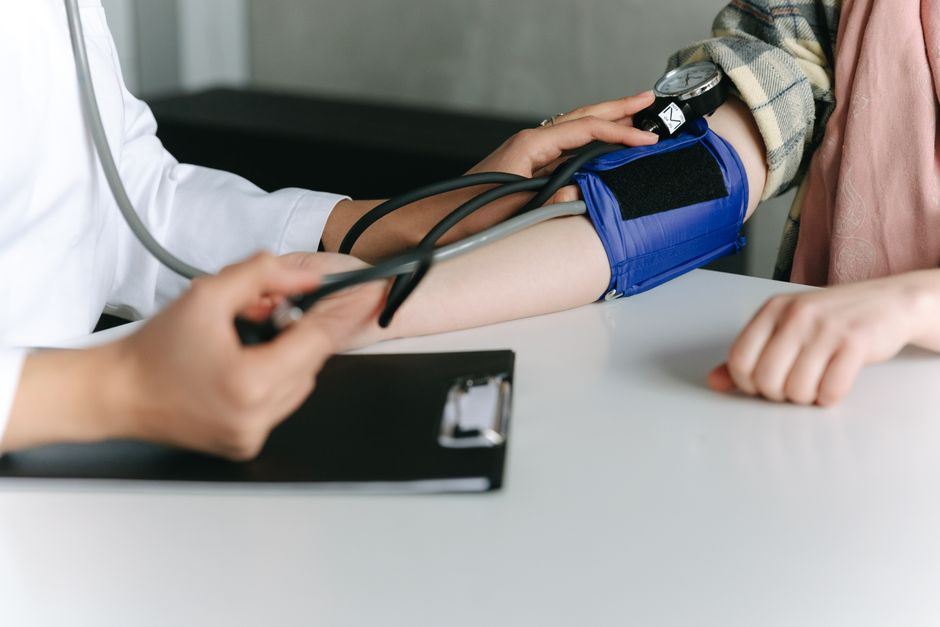
If your blood pressure spikes, the fastest way to bring it down is to breathe slowly and deeply for several minutes. Research from the American Heart Association shows that slow, paced breathing at about six breaths per minute can lower systolic pressure by 10 to 15 mmHg within minutes. This works because deep breathing activates the vagus nerve, which signals your body to relax and your blood vessels to widen. While this is not a replacement for long-term treatment, it is a proven technique for an urgent situation.
What Causes Blood Pressure to Spike Suddenly?
Blood pressure naturally rises and falls throughout the day. But sudden spikes can feel alarming. Common triggers include stress, anxiety, pain, caffeine, and certain medications. Even a full bladder can cause a temporary rise. The National Institute on Aging notes that white coat syndrome — where blood pressure rises at the doctor’s office — is a real phenomenon affecting up to 30% of people.
Understanding what caused your spike matters. If you had three cups of coffee and a tense phone call, your body is reacting to temporary stimulation. That is different from a sustained high reading that lasts for hours. When you know the trigger, you can choose the right response. For stress-related spikes, breathing techniques work well. For caffeine-related spikes, time and water are your main tools.
How To Bring Blood Pressure Down Fast With Breathing Techniques
Slow, deep breathing is the most studied immediate technique. A 2018 study in the Journal of Human Hypertension found that device-guided slow breathing reduced systolic blood pressure by an average of 6 mmHg after one session. You do not need a device. Simply inhale through your nose for five seconds, then exhale through your mouth for five seconds. Continue for three to five minutes.
The key is the pause. After you exhale, hold your breath for one to two seconds before inhaling again. This pause increases the relaxation response. Some people report that counting their breaths helps them focus. Others prefer to imagine a wave moving in and out. The technique matters less than the rhythm. Aim for five to six full breaths per minute.
This method works best when you feel your heart racing or your chest tightening. It will not fix chronically high blood pressure. But it can drop your reading by 10 to 20 points in a matter of minutes. That can make a real difference if you are trying to avoid a trip to the emergency room.
What the Research Says About Immediate Blood Pressure Reduction
Studies have found that isometric handgrip exercises can lower blood pressure quickly. In a 2013 review published in the British Journal of Sports Medicine, researchers concluded that isometric handgrip training reduced resting systolic blood pressure by an average of 6.5 mmHg. The exercise involves squeezing a handgrip device at 30% of your maximum strength for two minutes, then resting for one minute. Repeat this cycle four times.
Another well-studied method is cold water exposure. Splashing cold water on your face triggers the mammalian dive reflex, which slows heart rate and constricts blood vessels. Some studies suggest this can lower systolic pressure by 5 to 10 mmHg within seconds. The effect is short-lived, usually lasting only a few minutes. But it can be useful when you need a quick drop.
It is important to understand the limits of these techniques. They are temporary. They do not treat the underlying causes of hypertension. The American College of Cardiology emphasizes that lifestyle changes — diet, exercise, weight loss — are the only ways to achieve lasting reductions. Immediate techniques are tools for moments of crisis, not substitutes for daily management.
| Technique | Typical Drop in Systolic BP | Time to Effect | Duration of Effect |
|---|---|---|---|
| Slow paced breathing | 10-15 mmHg | 2-5 minutes | 10-30 minutes |
| Isometric handgrip | 5-10 mmHg | 5-10 minutes | 20-60 minutes |
| Cold water face immersion | 5-10 mmHg | Seconds | 2-5 minutes |
| Walking at moderate pace | 5-8 mmHg | 10-15 minutes | 30-60 minutes |

What to Avoid When Your Blood Pressure Is High
When your reading spikes, certain responses can make things worse. Do not lie flat on your back. This can trigger a reflex that raises pressure further in some people. Instead, sit upright in a chair with your feet flat on the floor. Do not hold your breath and strain. This is called the Valsalva maneuver, and it can spike blood pressure dramatically. People do this without realizing it when they are stressed or lifting something heavy.
Do not take extra doses of your blood pressure medication without talking to your doctor. Doubling up on medication can cause your pressure to drop too low, which is dangerous. A sudden drop can lead to fainting or falls. The CDC warns that medication adjustments should always be guided by a healthcare provider.
Avoid alcohol. Some people reach for a drink to calm down, but alcohol can raise blood pressure in the short term. It also interferes with sleep quality, which is essential for blood pressure regulation. Similarly, avoid over-the-counter decongestants. They contain ingredients like pseudoephedrine that constrict blood vessels and raise blood pressure.
Practical Steps for Long-Term Blood Pressure Control
If you regularly need to bring your blood pressure down fast, that is a sign that your baseline management needs attention. The DASH diet — Dietary Approaches to Stop Hypertension — is supported by decades of research. The National Heart, Lung, and Blood Institute reports that following the DASH diet can lower systolic blood pressure by 8 to 14 mmHg over several weeks. The diet emphasizes fruits, vegetables, whole grains, and low-fat dairy while limiting saturated fat and sodium.
Physical activity is equally important. The American Heart Association recommends at least 150 minutes of moderate-intensity exercise per week. That is about 30 minutes, five days a week. Walking, swimming, and cycling all work. The key is consistency. A single workout can lower blood pressure for up to 24 hours. Regular exercise builds on that effect over time.
Sodium reduction is one of the most effective single changes. The average American consumes about 3,400 mg of sodium per day. The recommended limit is 2,300 mg, and the ideal limit for people with hypertension is 1,500 mg. Reducing sodium intake by just 1,000 mg per day can lower systolic blood pressure by 5 to 6 mmHg. That is comparable to some blood pressure medications.
Common Misconceptions About Lowering Blood Pressure Quickly
One widespread claim is that drinking beet juice or eating dark chocolate can rapidly lower blood pressure. These foods contain nitrates and flavonoids that may support long-term vascular health. But the evidence for immediate effects is weak. A 2015 study in the Journal of Nutrition found that beet juice lowered blood pressure by about 4 mmHg after three to six hours. That is not fast. It is also not reliable enough to use in an urgent situation.
Another myth is that taking a hot bath or sauna will quickly lower your pressure. The opposite is true. Heat causes blood vessels to dilate initially, which can lower pressure. But the body compensates by increasing heart rate, which can actually raise pressure. The American Heart Association notes that sauna use can cause blood pressure to drop temporarily, then spike. This fluctuation is not safe for people with unstable hypertension.
Some people believe that drinking a glass of water will immediately lower blood pressure. Dehydration can raise blood pressure, so rehydrating helps over time. But drinking water has no immediate effect on a sudden spike. It takes about 30 to 60 minutes for fluid balance to shift enough to affect blood pressure readings. Relying on water for a fast drop will leave you waiting too long.
Frequently Asked Questions
How fast can you safely lower blood pressure?
You can safely lower blood pressure by 10 to 20 mmHg within minutes using slow breathing or cold water exposure. A drop of more than 30 mmHg in a single session should be avoided without medical supervision.
Can walking lower blood pressure immediately?
Walking at a moderate pace for 10 to 15 minutes can lower systolic blood pressure by 5 to 8 mmHg. The effect lasts for about 30 to 60 minutes after you stop walking.
Is it safe to take aspirin during a blood pressure spike?
No. Aspirin does not lower blood pressure and can increase bleeding risk if taken during a hypertensive crisis. Call a doctor instead of taking aspirin.
What position is best for lowering blood pressure fast?
Sitting upright in a chair with feet flat on the floor and back supported is the best position. Lying flat can trigger a reflex that raises pressure in some people.
